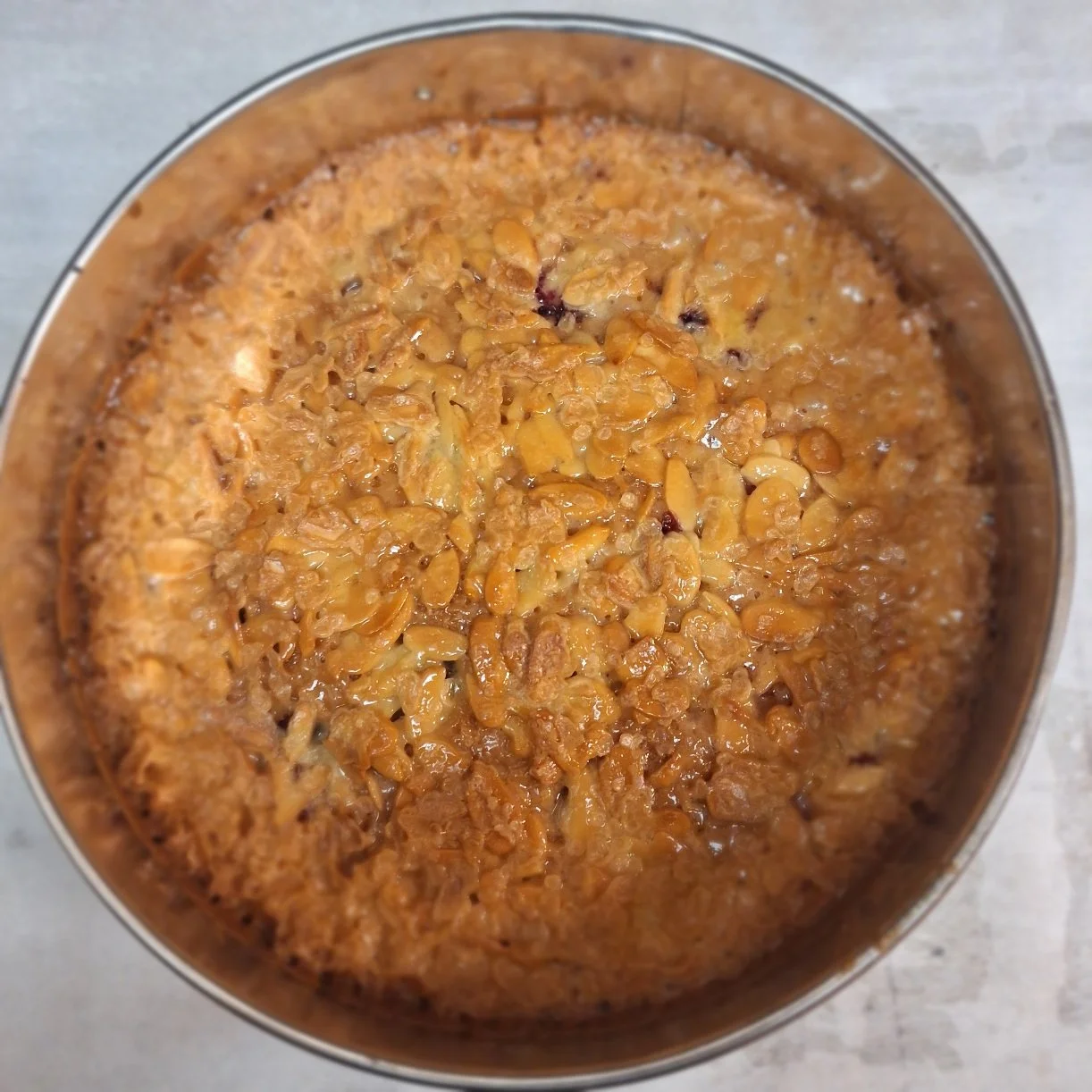
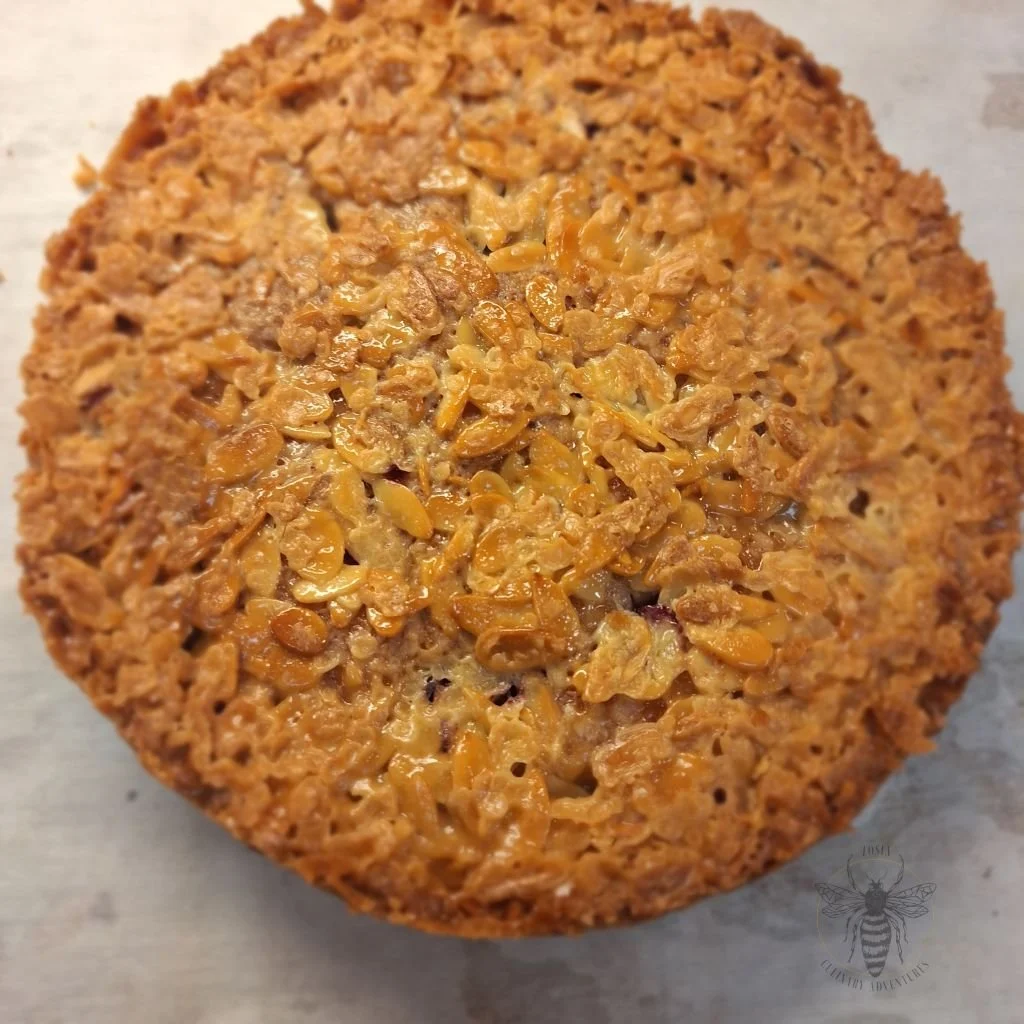
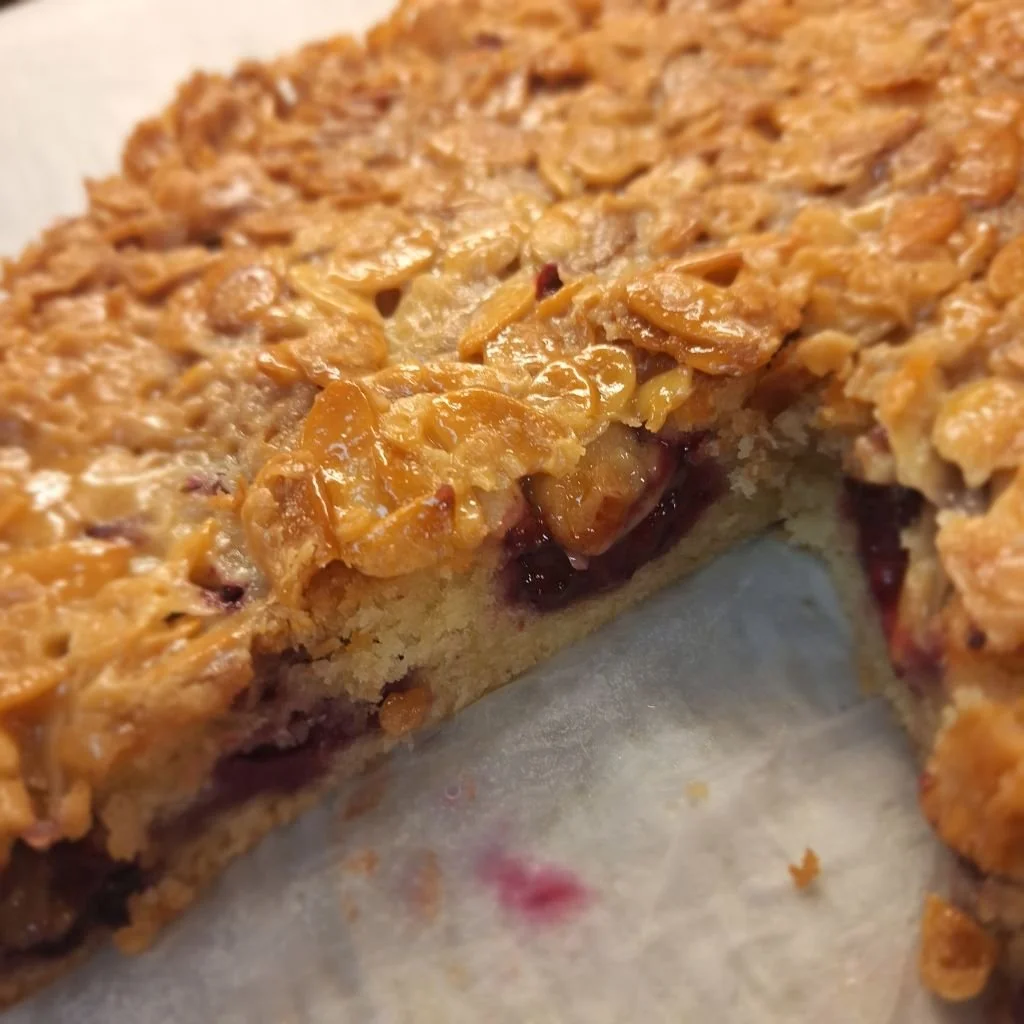
Blackberry Toscakaka Cake
As I enjoy testing different recipes and Greenland has been continuously in the news, I find myself deeply inspired to explore flavours from the broader Scandinavian world. Greenland — an autonomous territory of the Kingdom of Denmark and the largest of its three constituent parts by land area — shares cultural and culinary ties with Denmark and the Faroe Islands, and its citizens are Danish citizens. The Scandinavian region, defined by the Peninsula (Norway and Sweden) and Denmark’s low-lying agricultural landscapes, is distinguished by dramatic glaciers, deep fjords, and Sweden’s archipelago of over 250,000 islands. I’ll be testing dishes that honour Scandinavian traditions while bringing them into a Canadian kitchen, inviting you to taste a northern table that feels both timeless and newly personal. A wonderful recipe book that truly mirrors Scandinavian life is “Scandinavian From Scratch” by Nichole Accettola.

Toscakaka — often called Tosca cake or Swedish almond caramel cake — is a classic Scandinavian confection born for the fika table (a social ritual of taking a break to enjoy coffee, tea, and pastries with friends or colleagues). A delicate, moist sponge, sometimes gently almond-scented, forms the tender base. It’s crowned with a glossy, toffee-like glaze made from butter, sugar, cream and a generous scatter of sliced or flaked almonds, baked until caramelised and crackling. Traditionally baked in a round springform pan and served with coffee, Toscakaka first appears in Swedish cookbooks of the 1930s and remains a beloved coffee-break pastry across the region. Regional names vary — toscakaka/toscatårta in Sweden, toscakake in Norway, toscakage in Denmark (akin to the Danish drømmekage), and toscakakku in Finland — but the irresistible contrast of soft sponge and crunchy almond topping is constant.
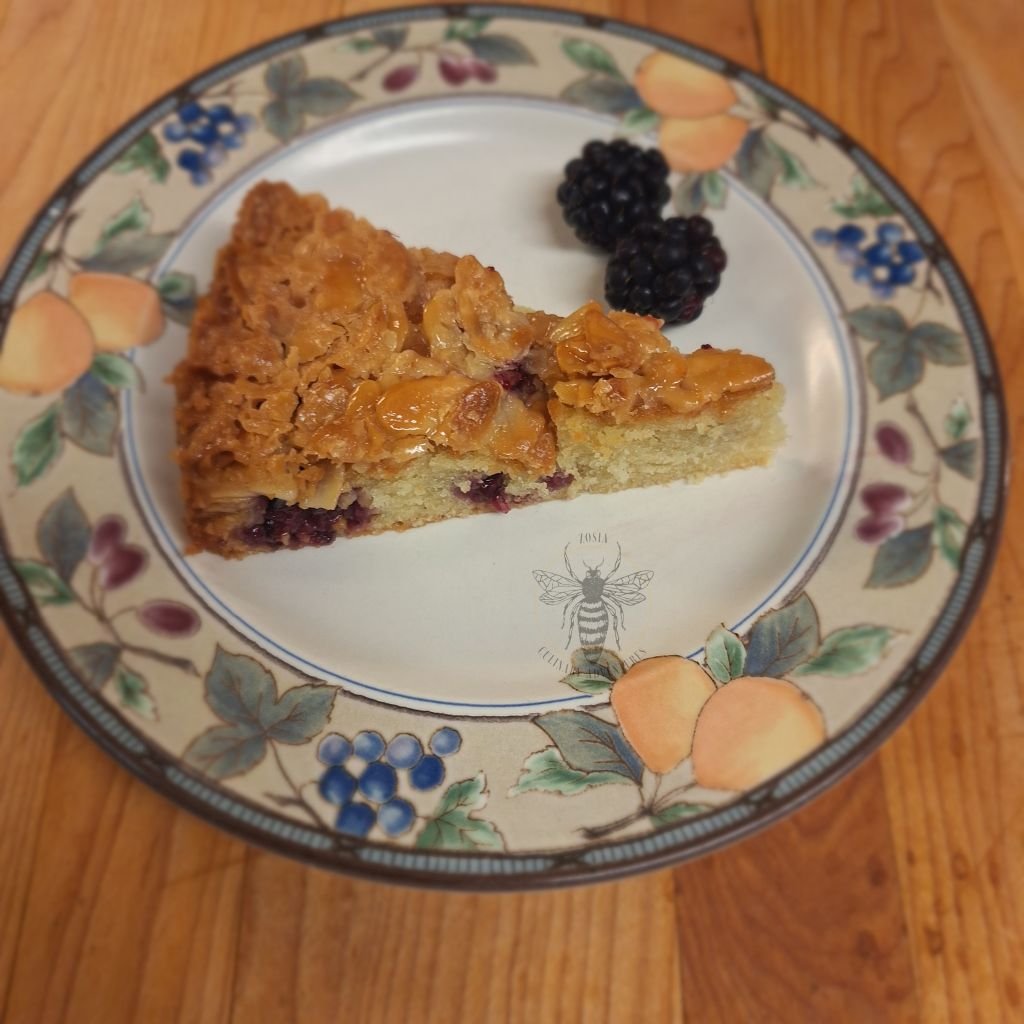
Blackberry Toscakaka Cake Recipe
By Zosia Culinary Adventures | Date: February 07, 2026
Preparation Time: 30 minutes
Bake Time: 1 hour
Yield: 12 servings
Requires 23 cm Springform Cake Pan
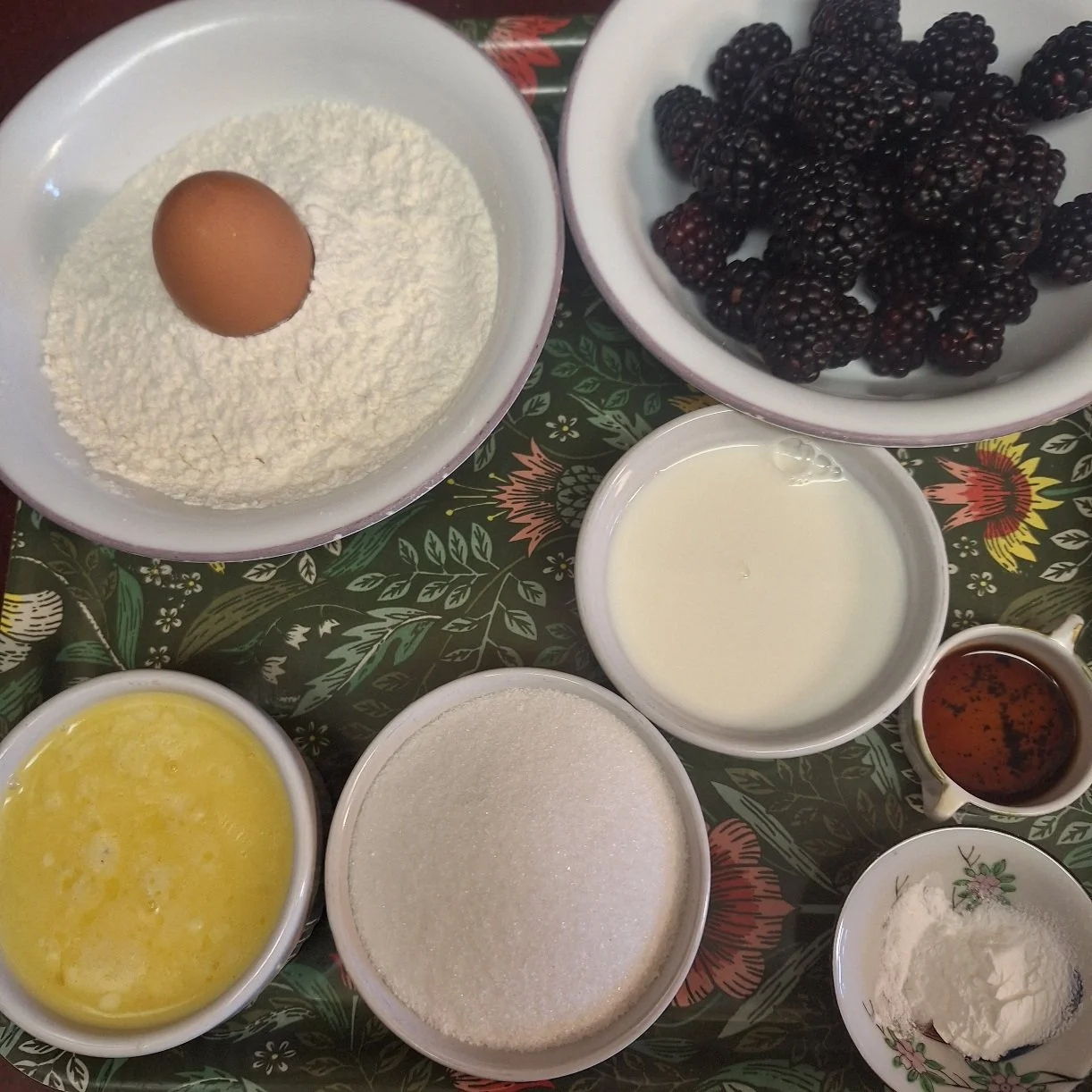
Ingredients: Main cake
130 g unsalted butter plus extra for greasing
1 large egg, room temperature
150 g granulated sugar
120 g 3.25% Homo Milk ( called Whole Milk)
1 tsp vanilla essence
1 tsp baking powder
1/2 tsp sea salt
200 g fresh blackberries (or frozen)
Ingredients: Topping
100 g unsalted butter, cut into small pieces
75 g sliced almonds
100 g granulated sugar
2 tablespoons Arva Flour Mills Daisy Hard White Unbleached Flour
2 tablespoons 3.25% Homo Milk
pinch of sea salt
Instructions:
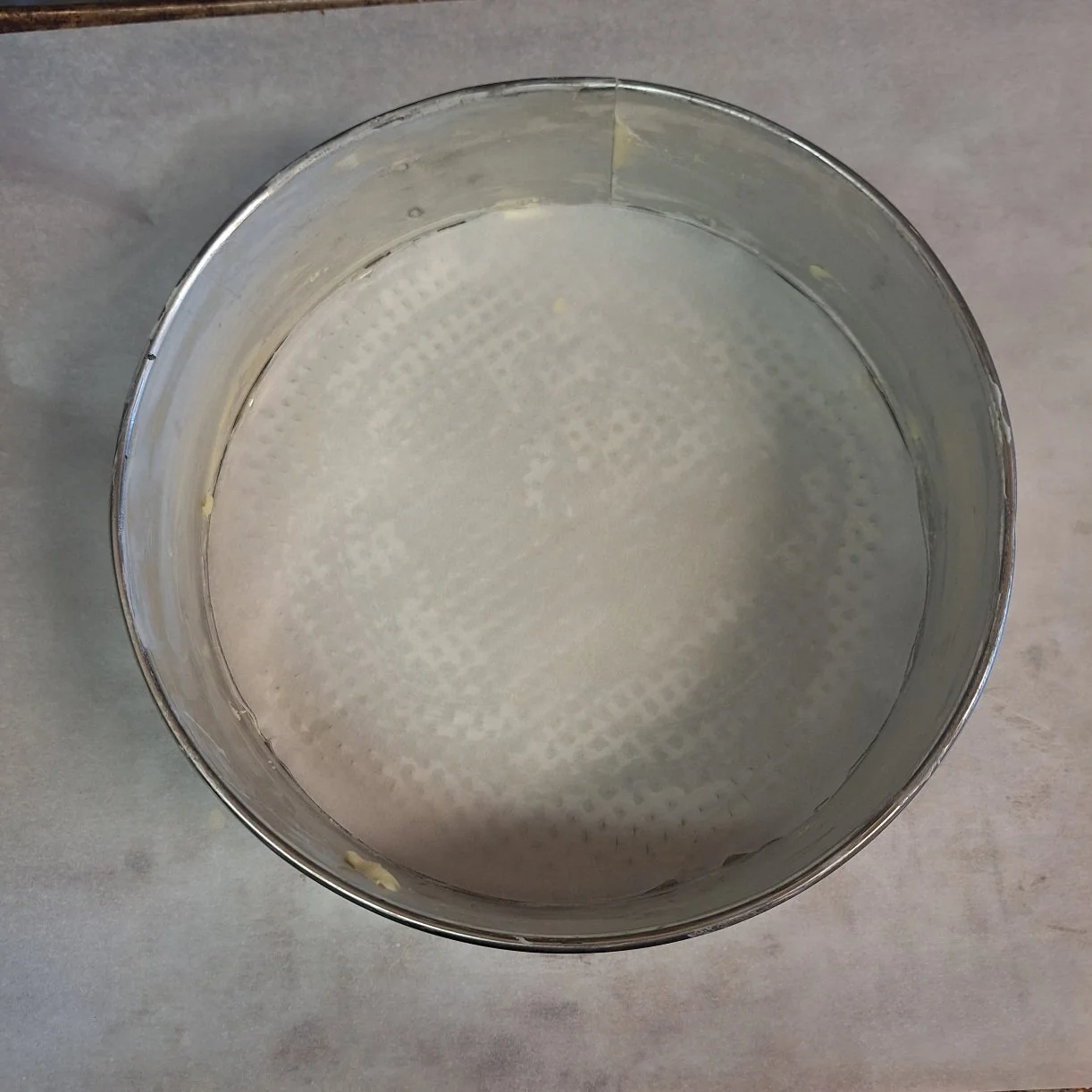
Grease the sides and bottom of a 23 cm springform cake pan generously with softened butter; then cut a round of parchment paper to fit the base precisely and press it gently into the pan so it lies flat and smooth against the bottom, ensuring the edges are snug before you secure the pan. Place the springform cake pan in the center of cookie sheet pan to prevent any spills. Set aside.
Preheat the oven to 350°F (approximately 175°C).
To make the cake: begin by melting the butter in a saucepan over medium-high heat, then remove the pan from the heat and set the melted butter aside to cool.
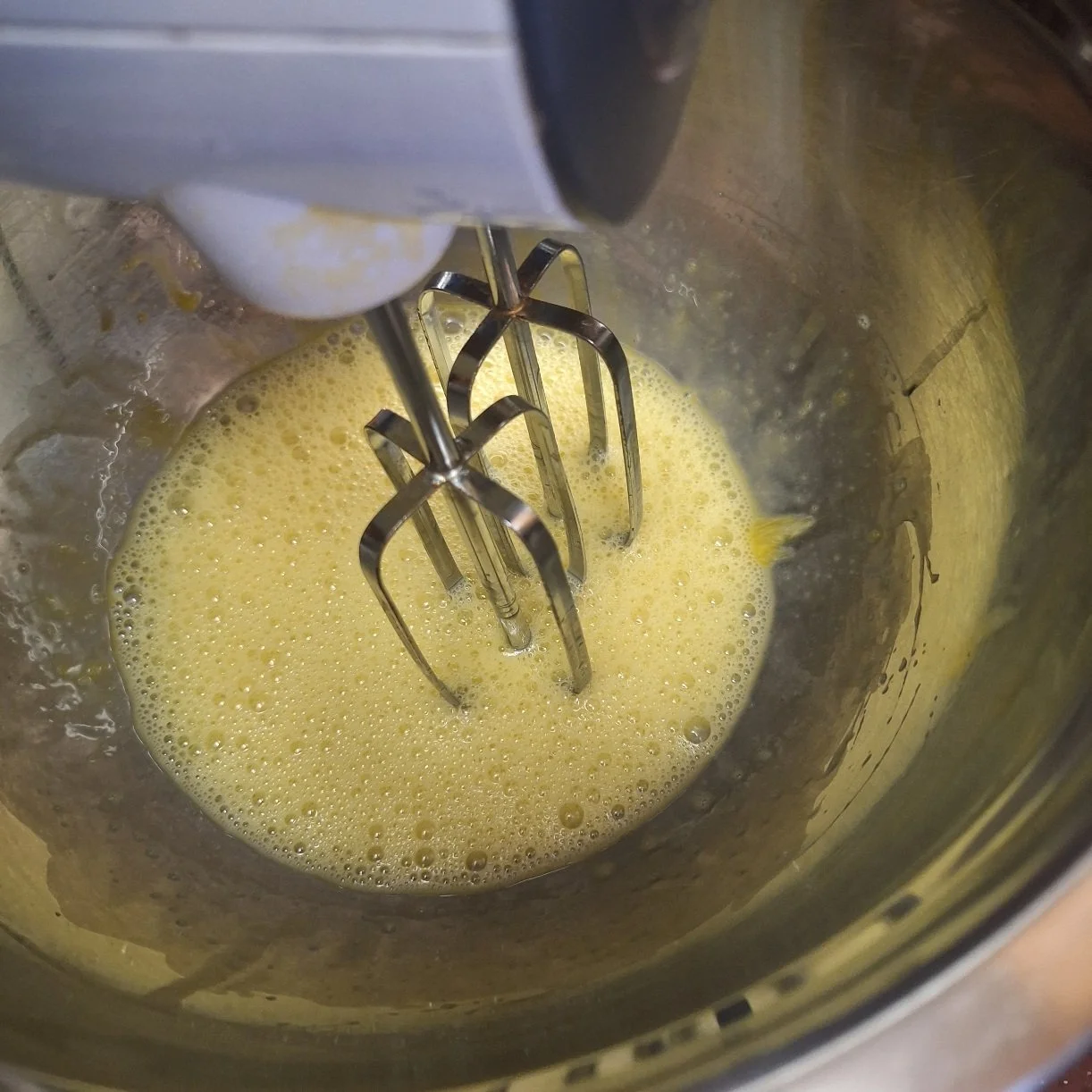
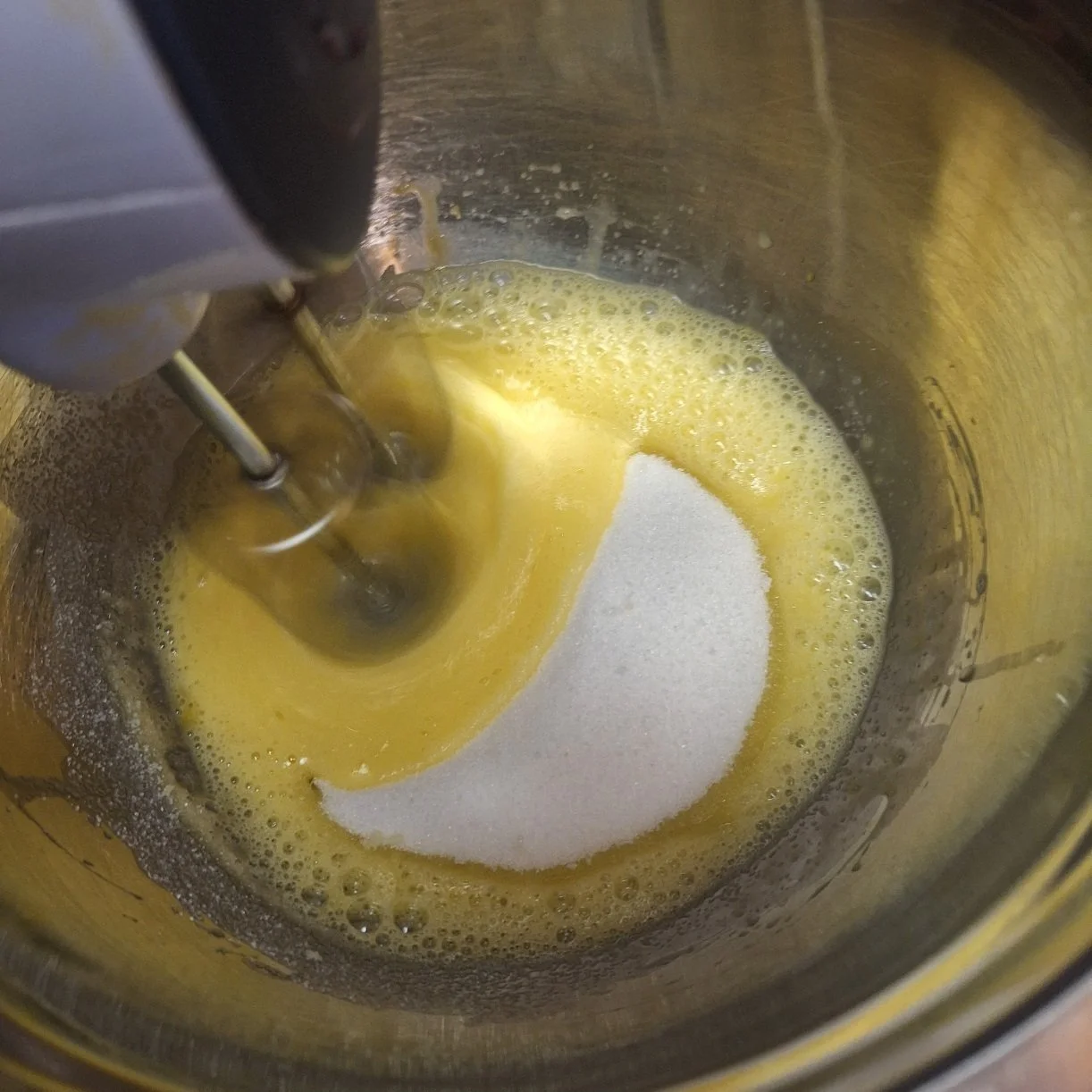
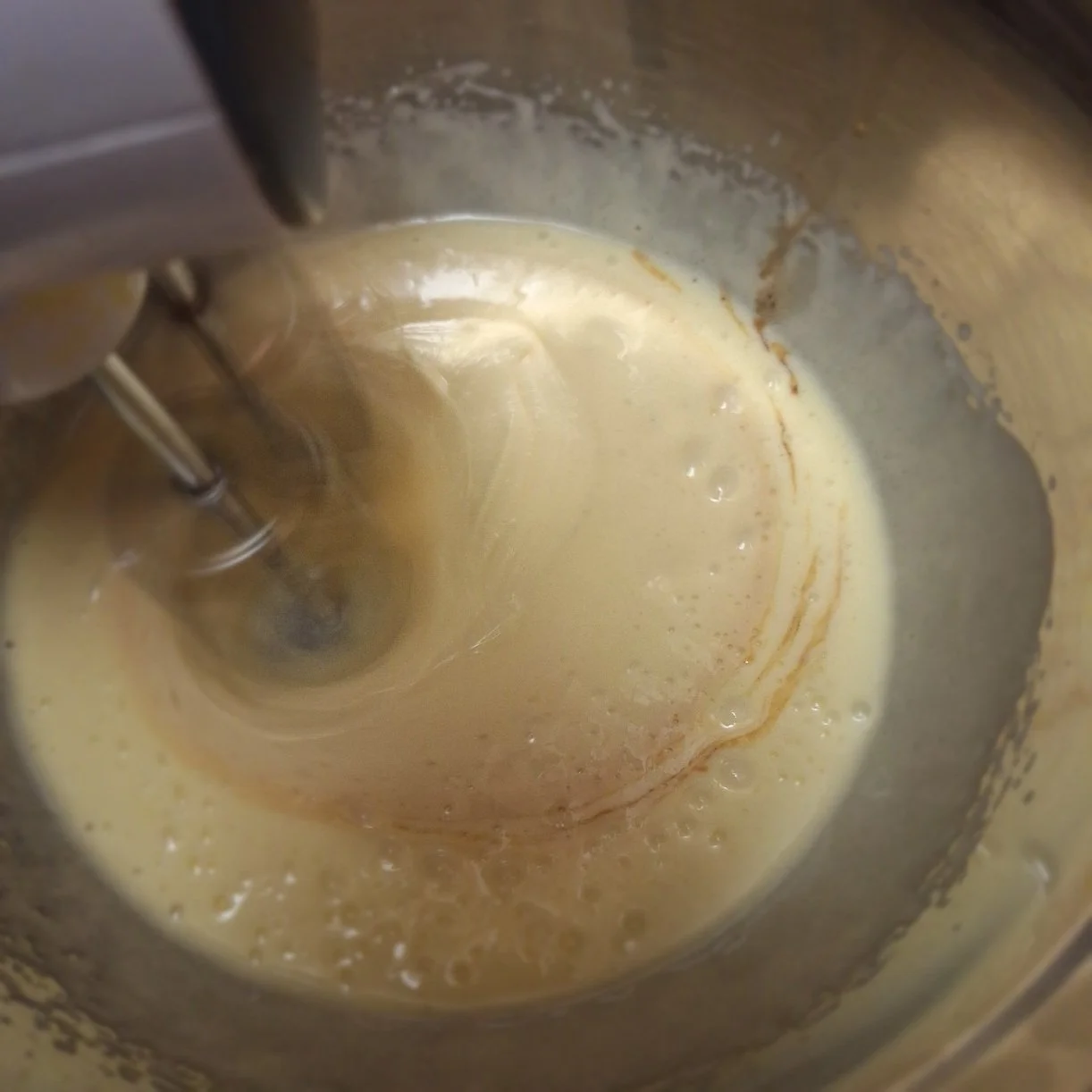
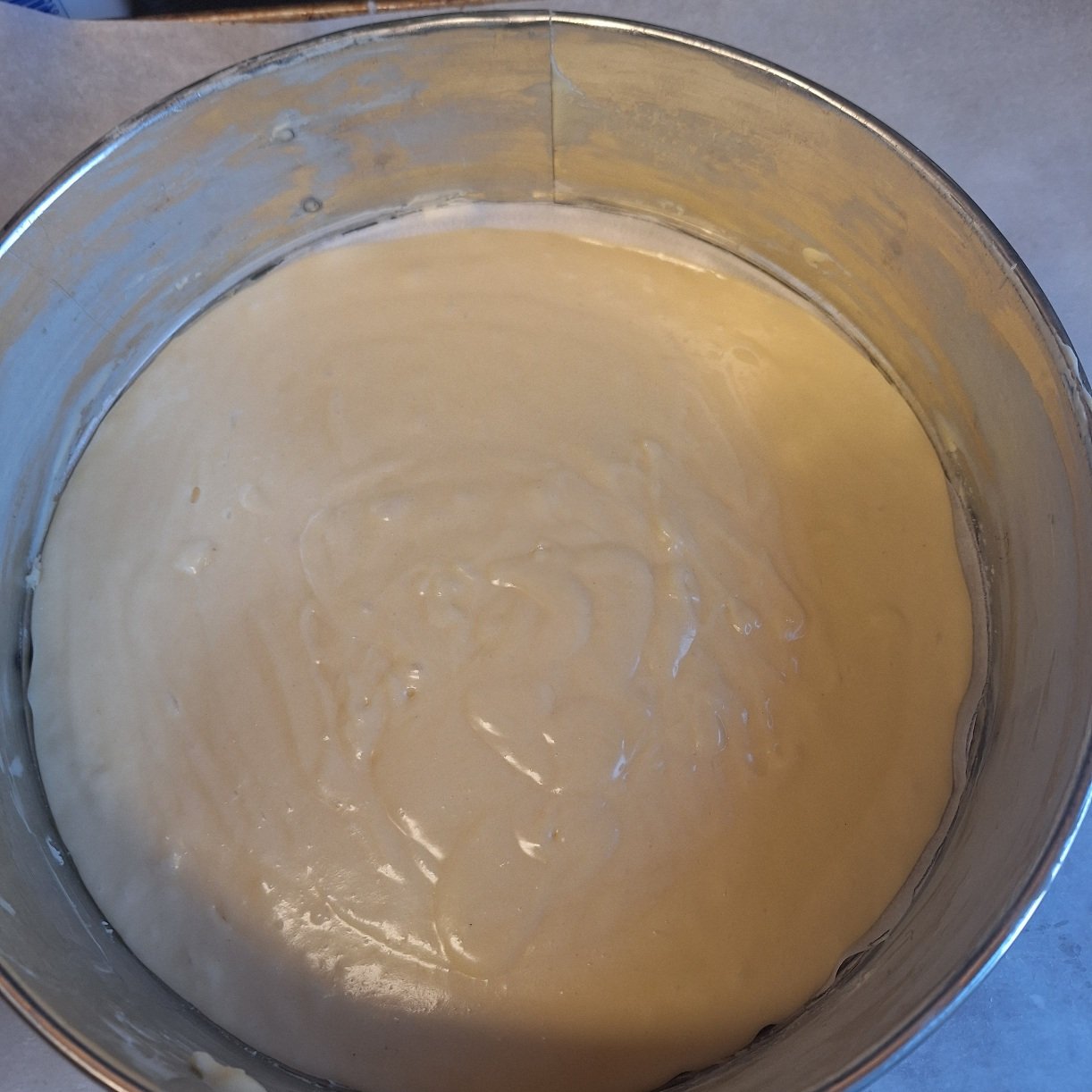
In the bowl using hand or stand mixer, beat the egg on high speed for 2 minutes, until fluffy and doubled in volume. Gradually add sugar until a pale yellow, about 3 minutes. Decrease the speed to low and add the cooled butter, milk, and the vanilla and beat for 1 minute.
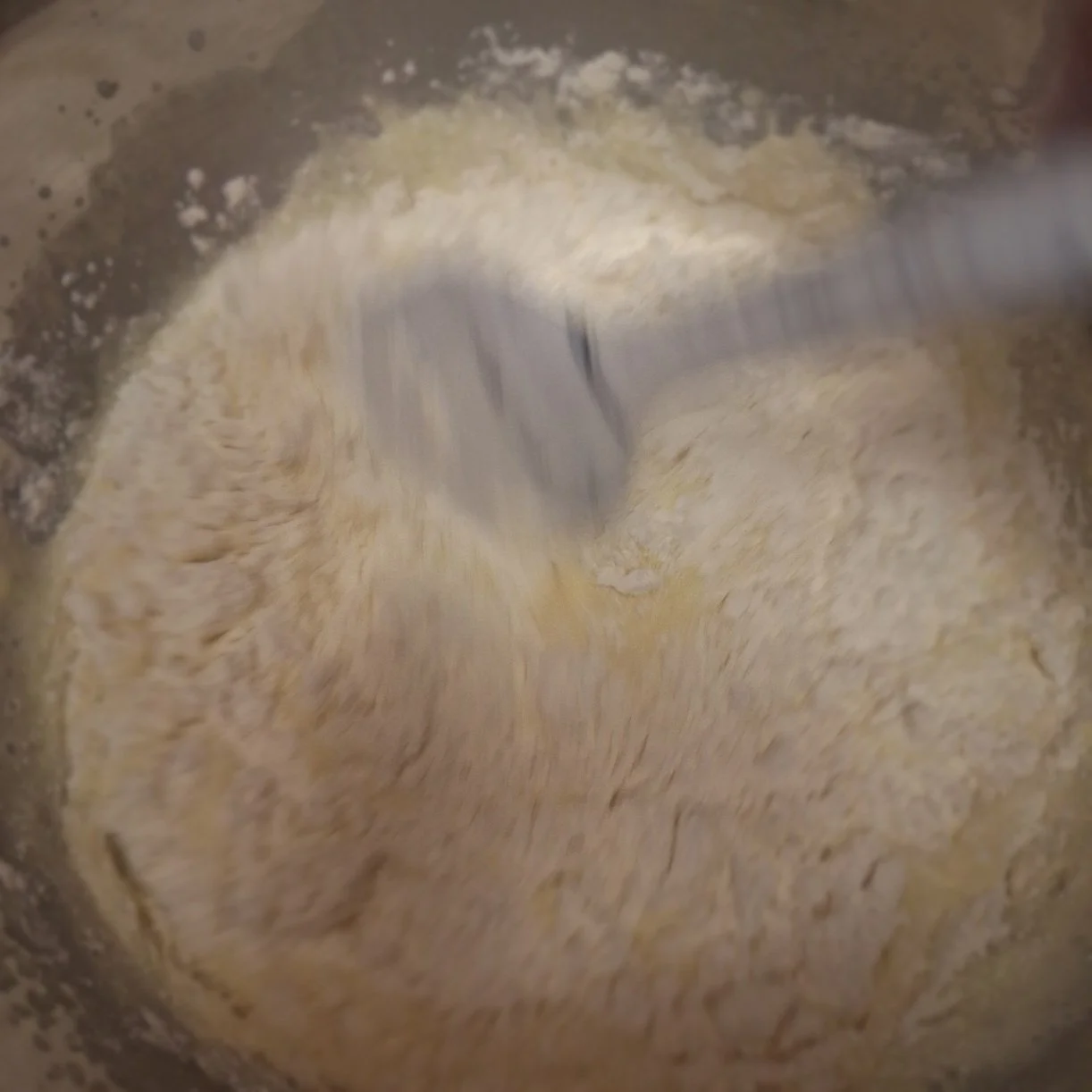
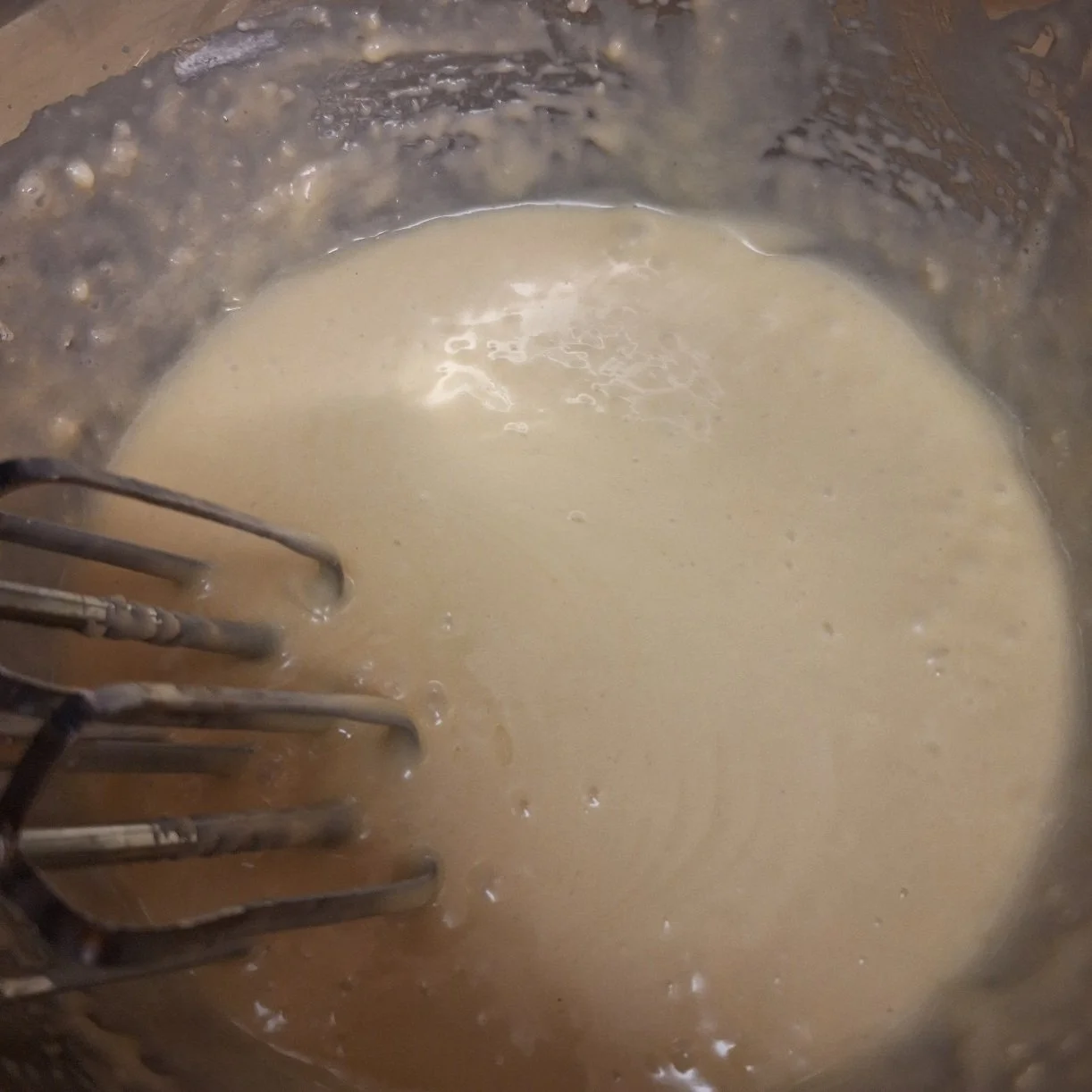
In the separate bowl, whisk together the flour, baking powder, and salt. Add the flour mixture into the butter mixture, and mix on low until batter is lump-free. Finish by stirring with a rubber spatula.
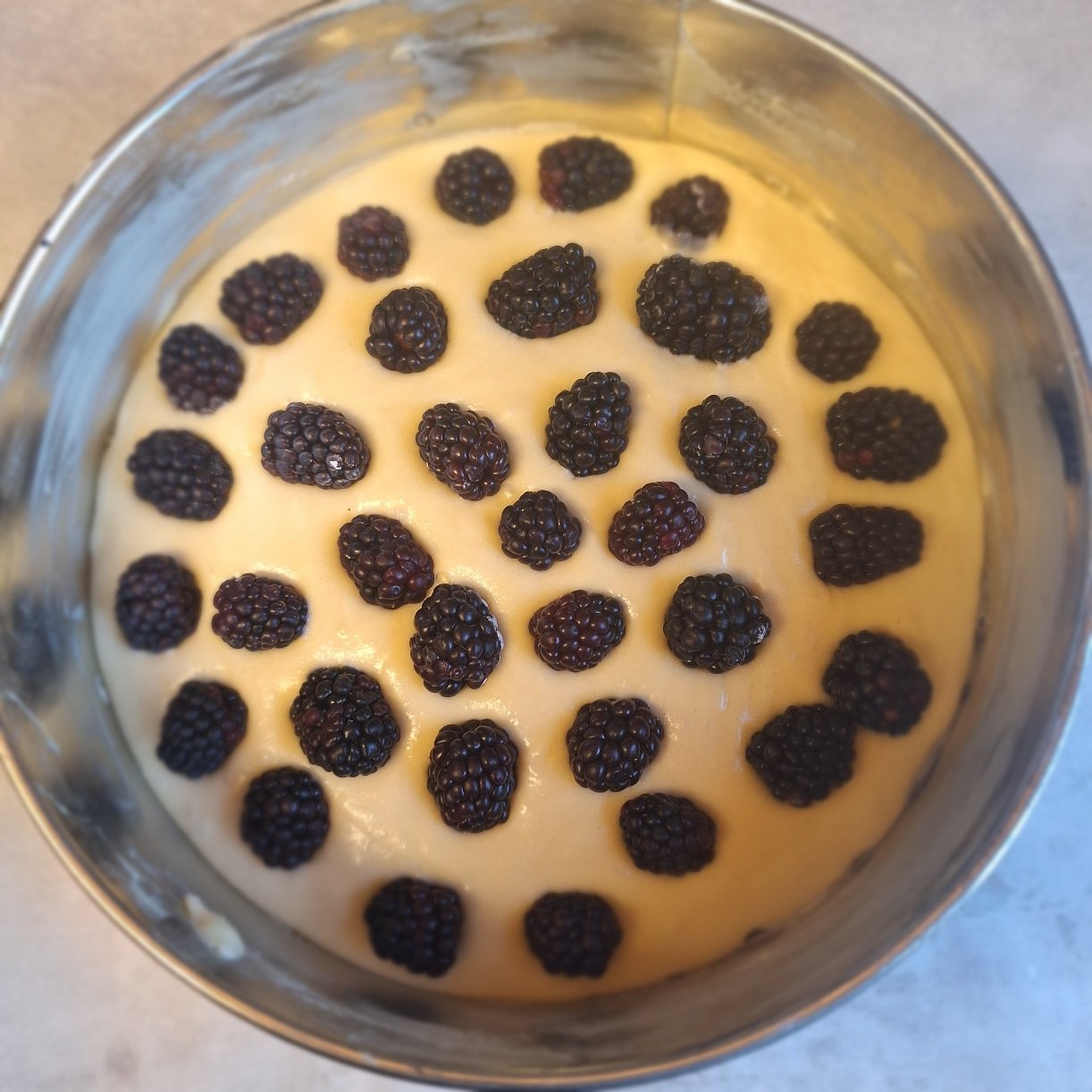
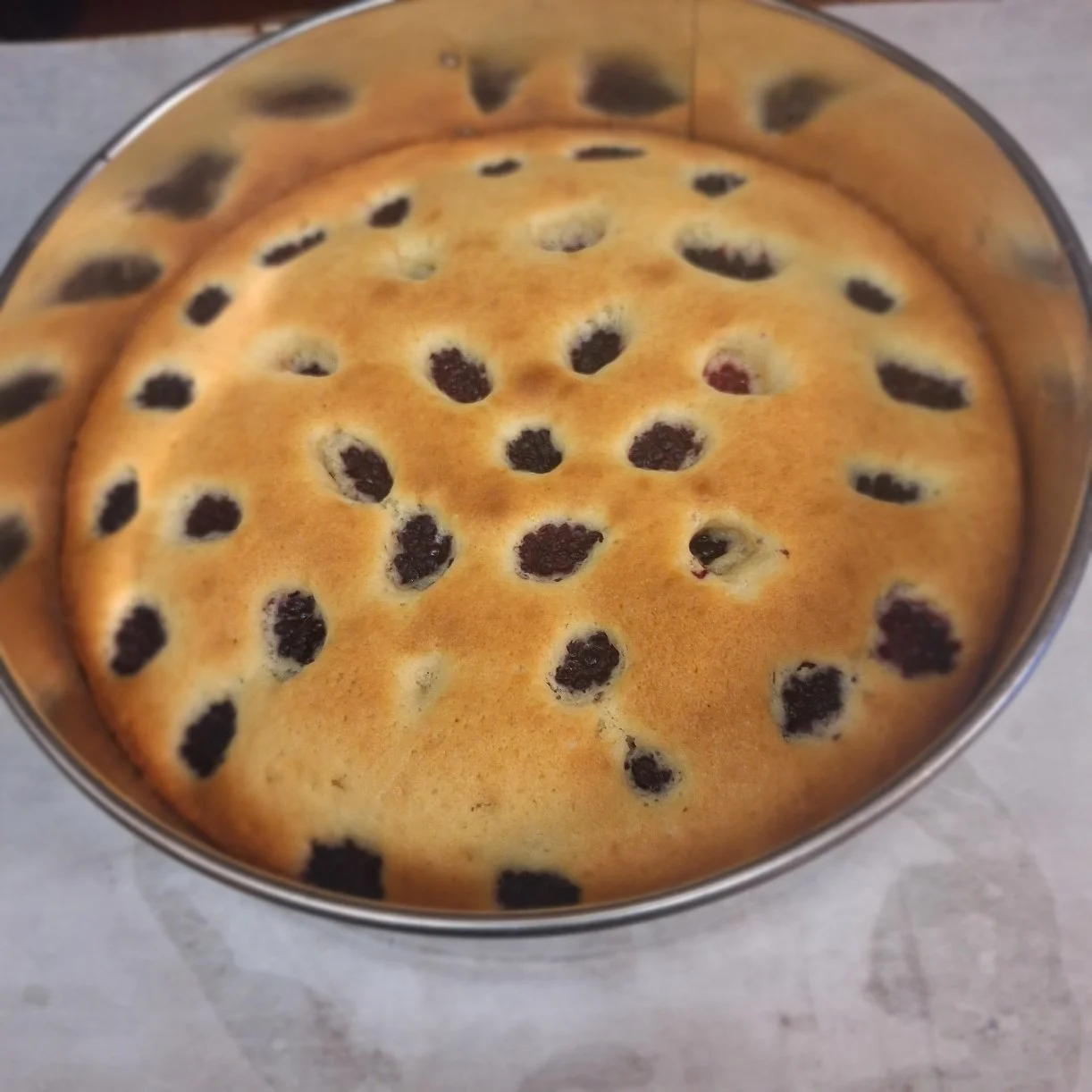
Pour the batter into the prepared springform cake pan, gently smoothing the surface with a spatula for an even finish. Arrange the blackberries evenly in a single layer across the top of the batter — it’s perfectly fine if some or all of them sink slightly as the cake bakes. Transfer the pan to the oven and begin baking.
Once the cake has baked for 30 minutes, keep it baking in the oven, but begin to make the topping.
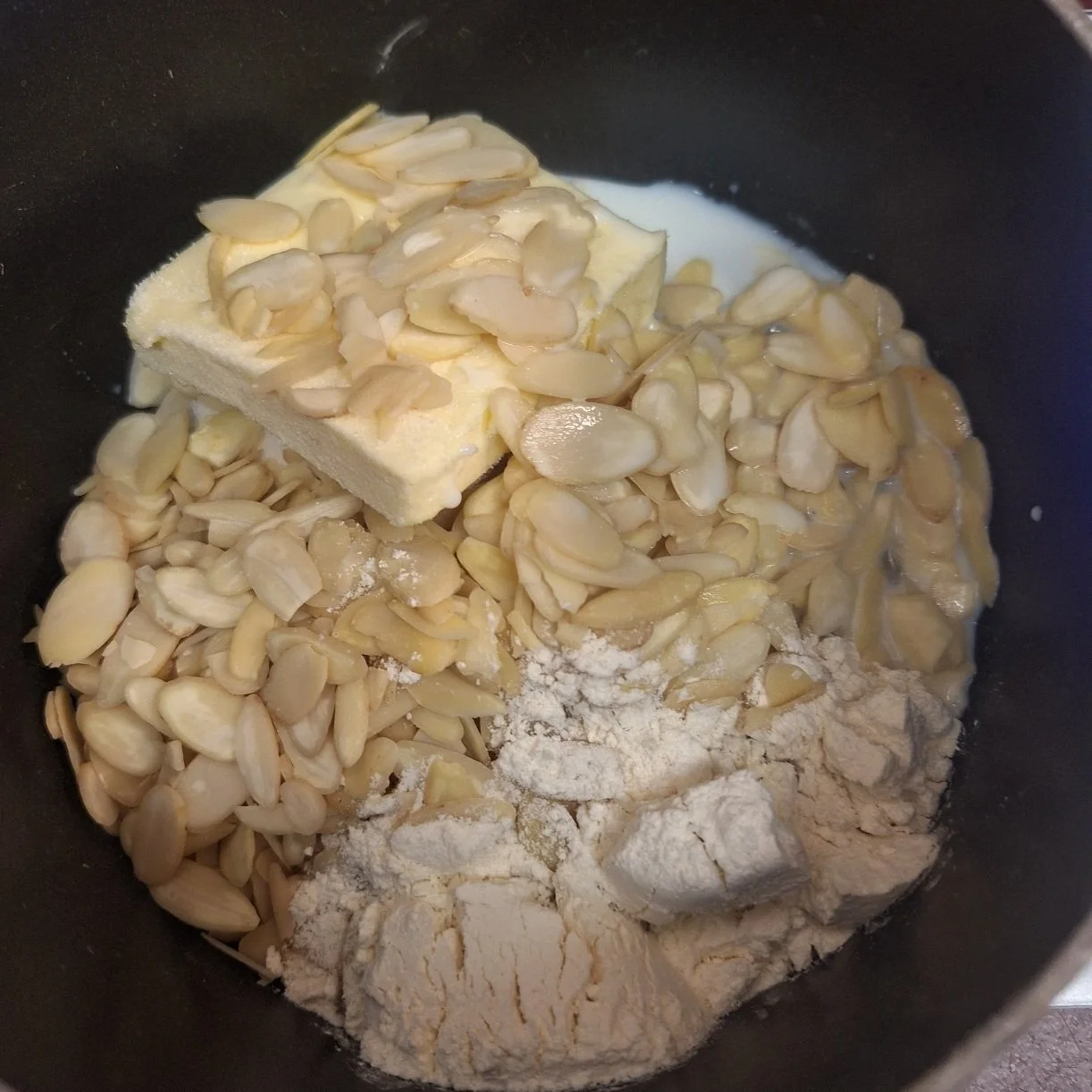
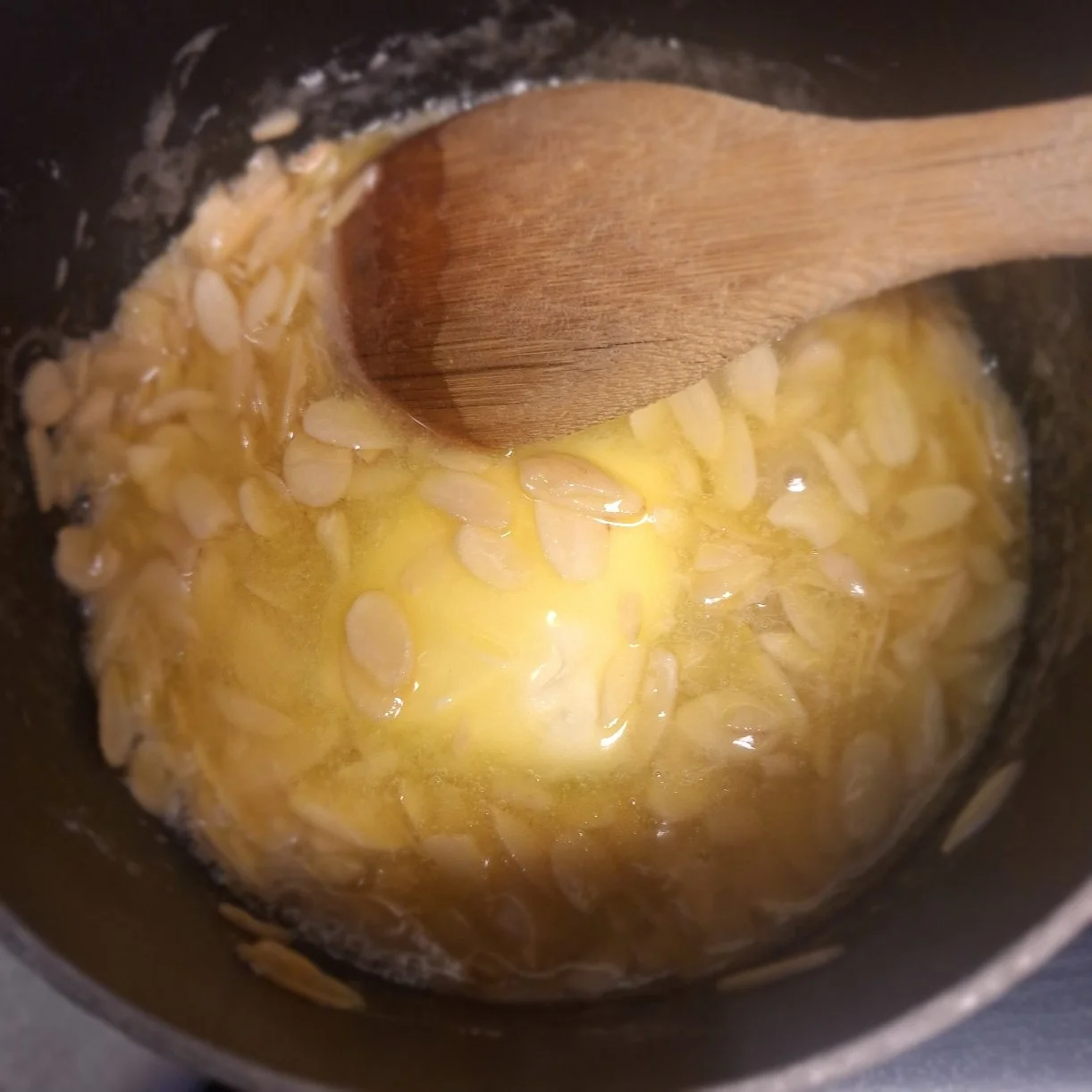
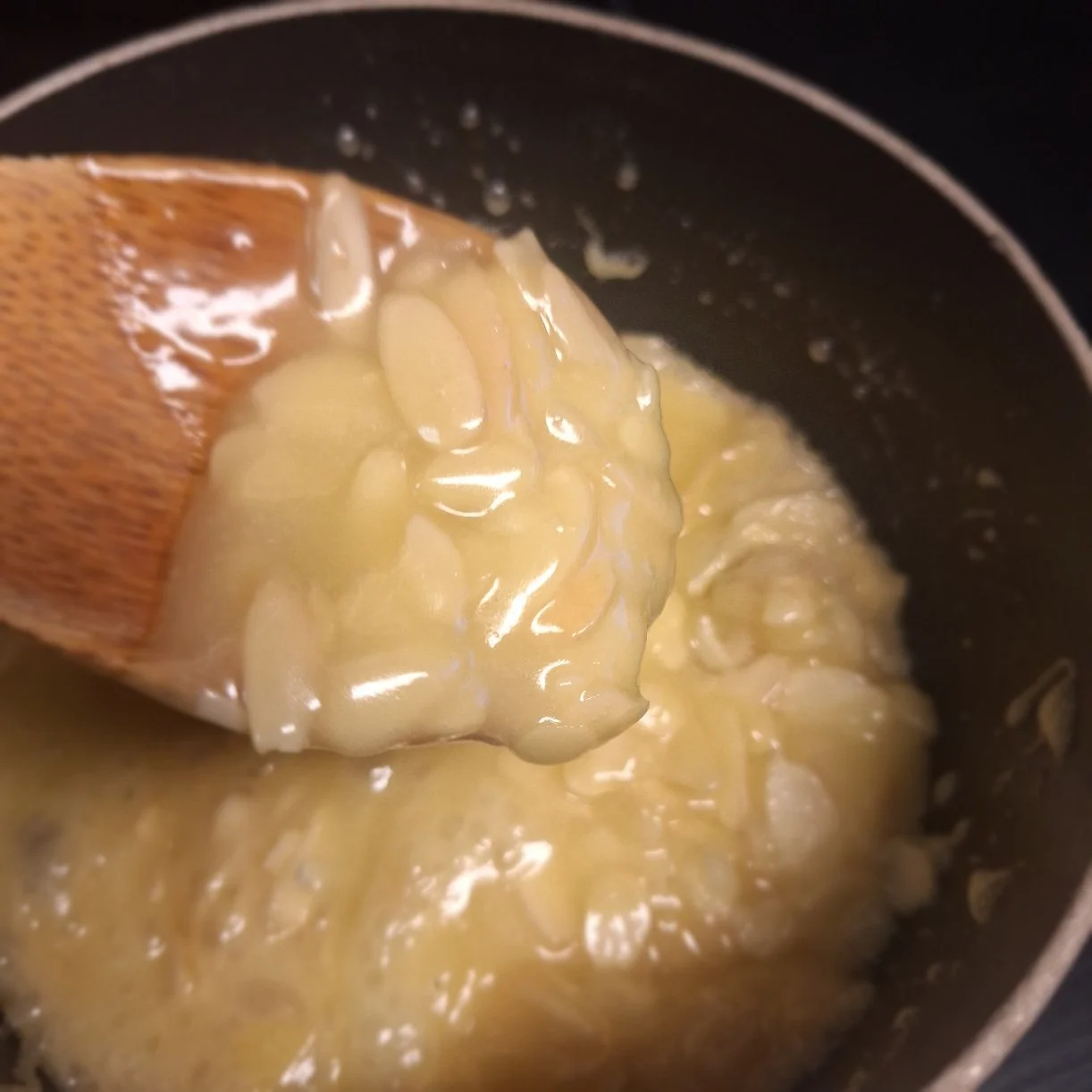
In a medium saucepan, combine the butter, almonds, sugar, flour, milk and a pinch of salt, then place it over medium-high heat. Stirring continuously as the mixture warms, allow the butter to melt and watch for small bubbles forming around the edges of the pan. Reduce the heat to medium-low and continue to cook, stirring without pause, for an additional three minutes. When the mixture has thickened enough that your spatula leaves a visible trail as you stir, remove the pan from the heat.
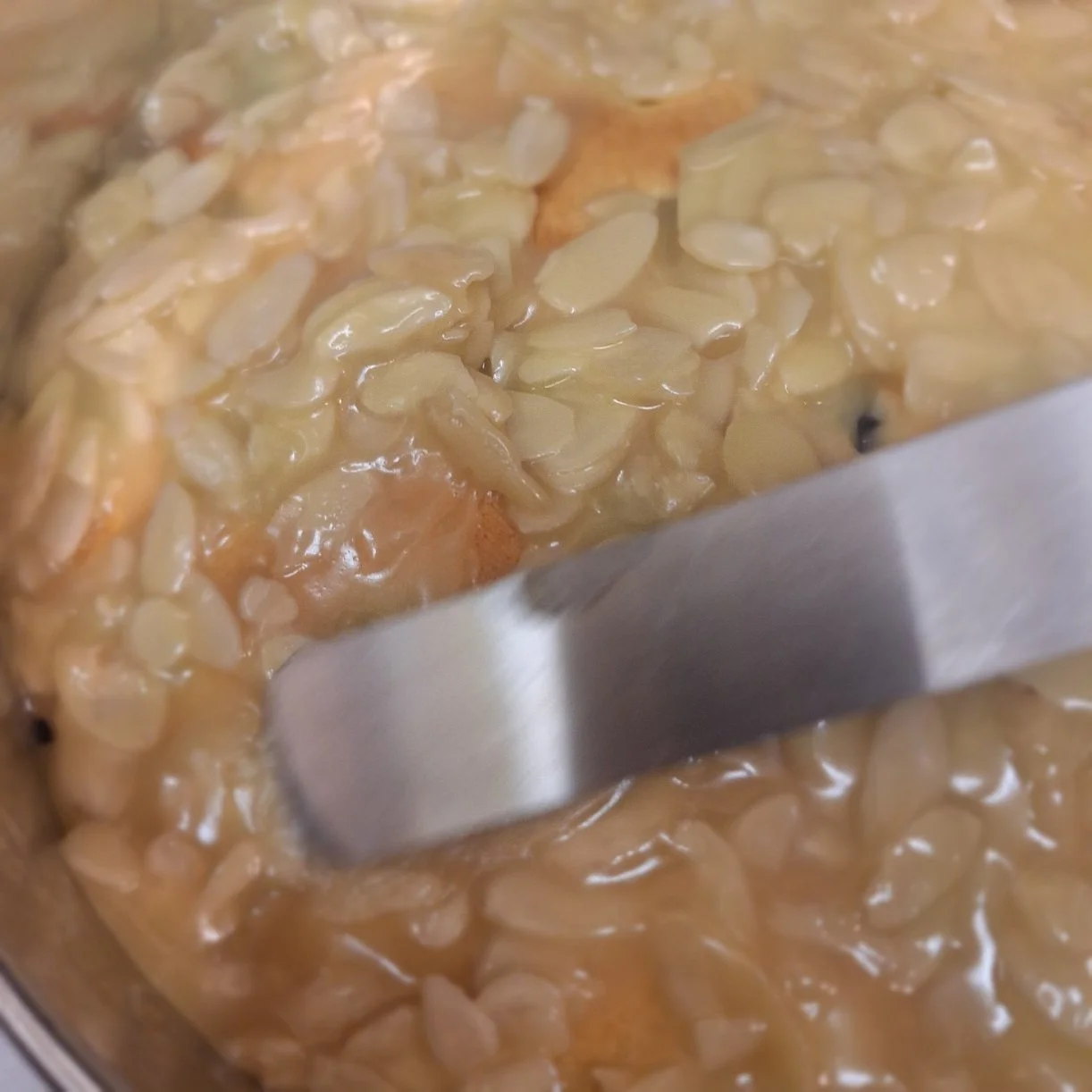
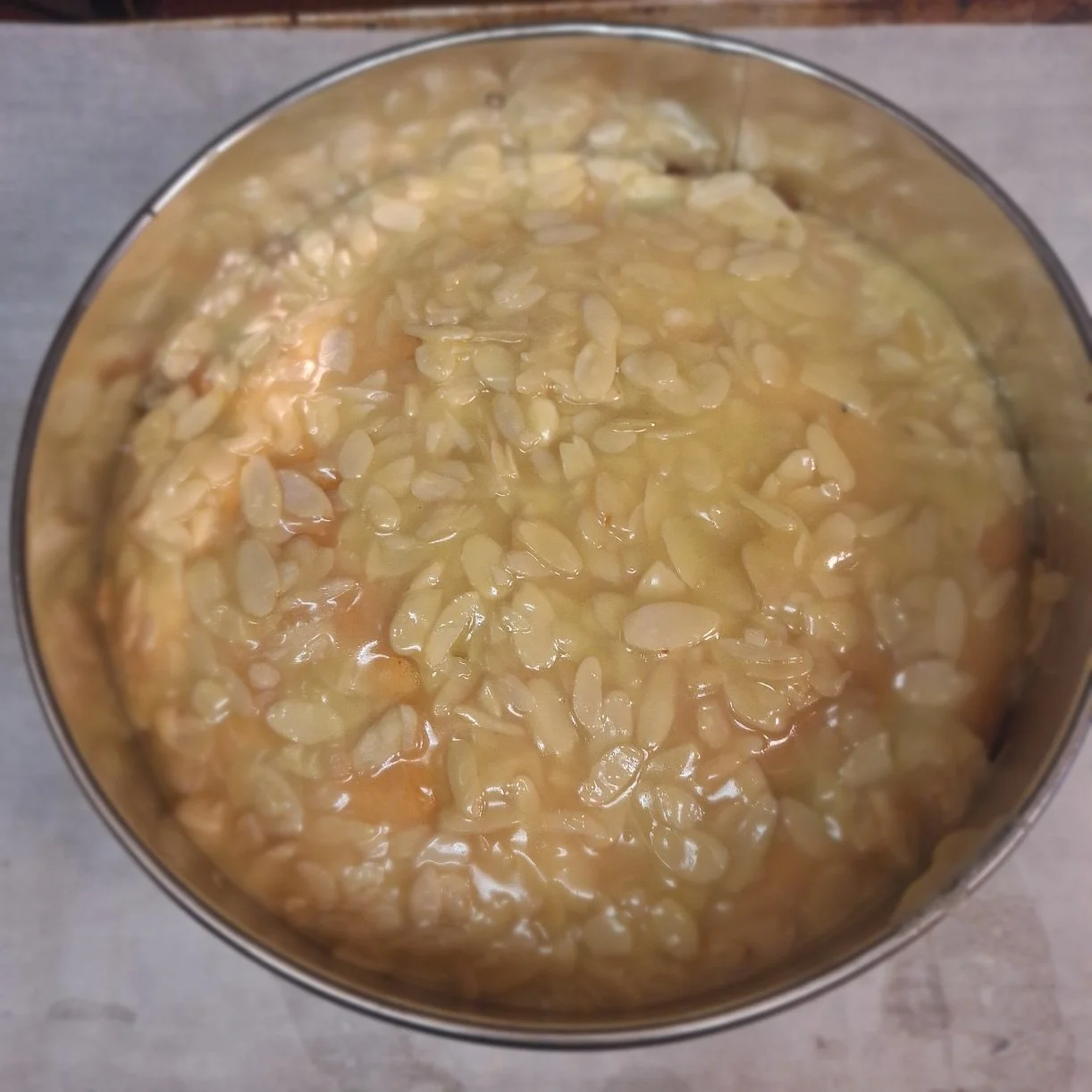
Carefully remove the cake from the oven, keeping the oven on, and gently scatter spoonfuls of the topping evenly over the entire cake surface. Take care as you work, since the cake is still very fragile and could easily break. Using an offset spatula, softly spread the topping across the whole top and work it delicately into all the edges so the coating is smooth and uniform. Place the cake back in the oven for another 15-20 minutes more, until the caramel on the top of the cake looks dark and is bubbling.
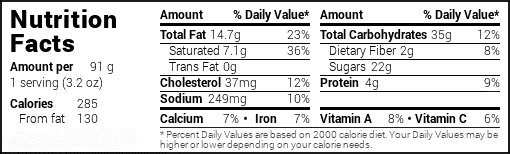
Allow the cake to cool completely on the wire rack before carefully removing it from the pan. We stored our cake in an airtight container in the refrigerator for a week, and even the very last slice tasted just as moist and delicious as it did on the first day.