Borage: The Beautiful Blue Flower Blooming in My Garden
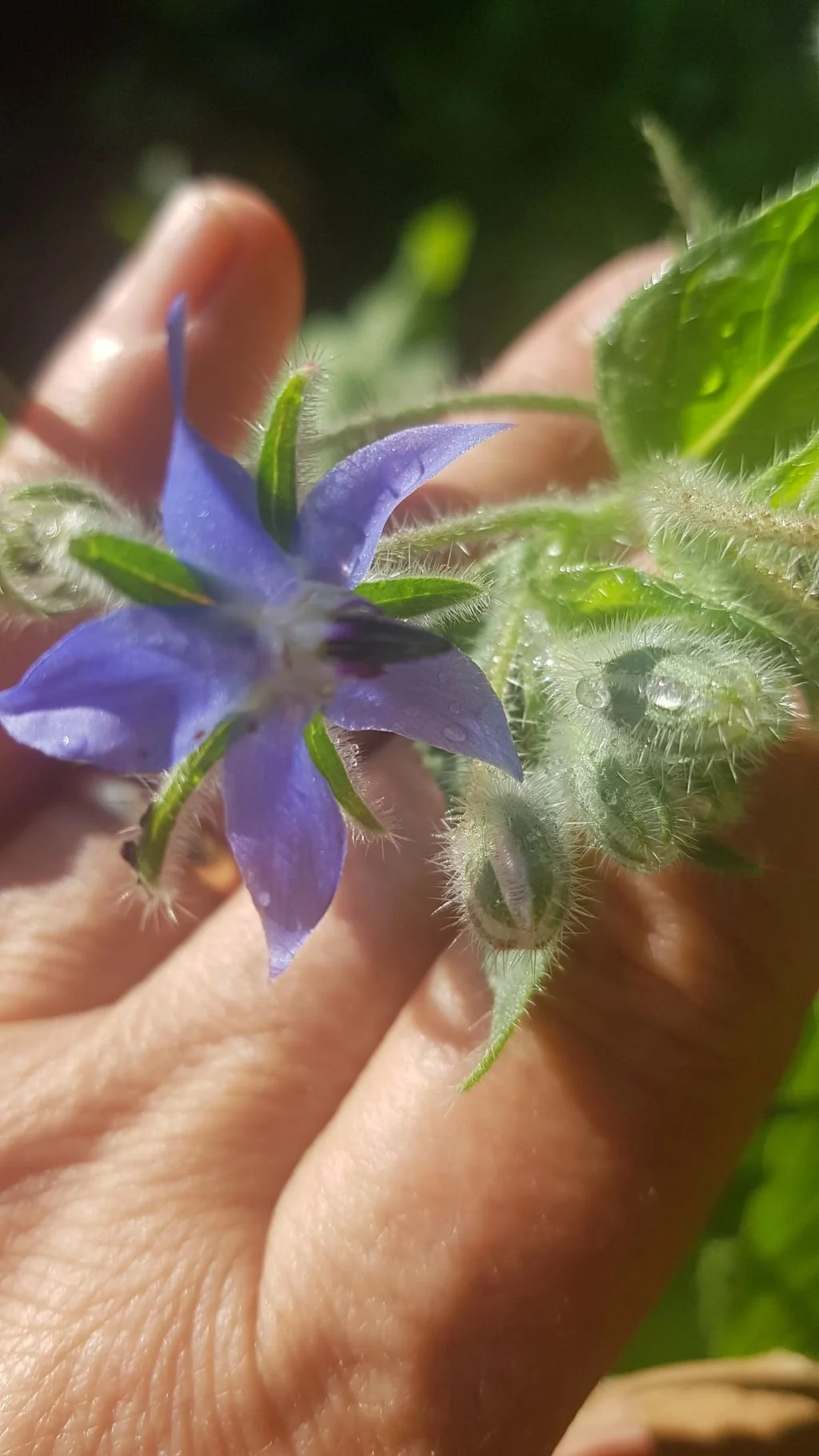
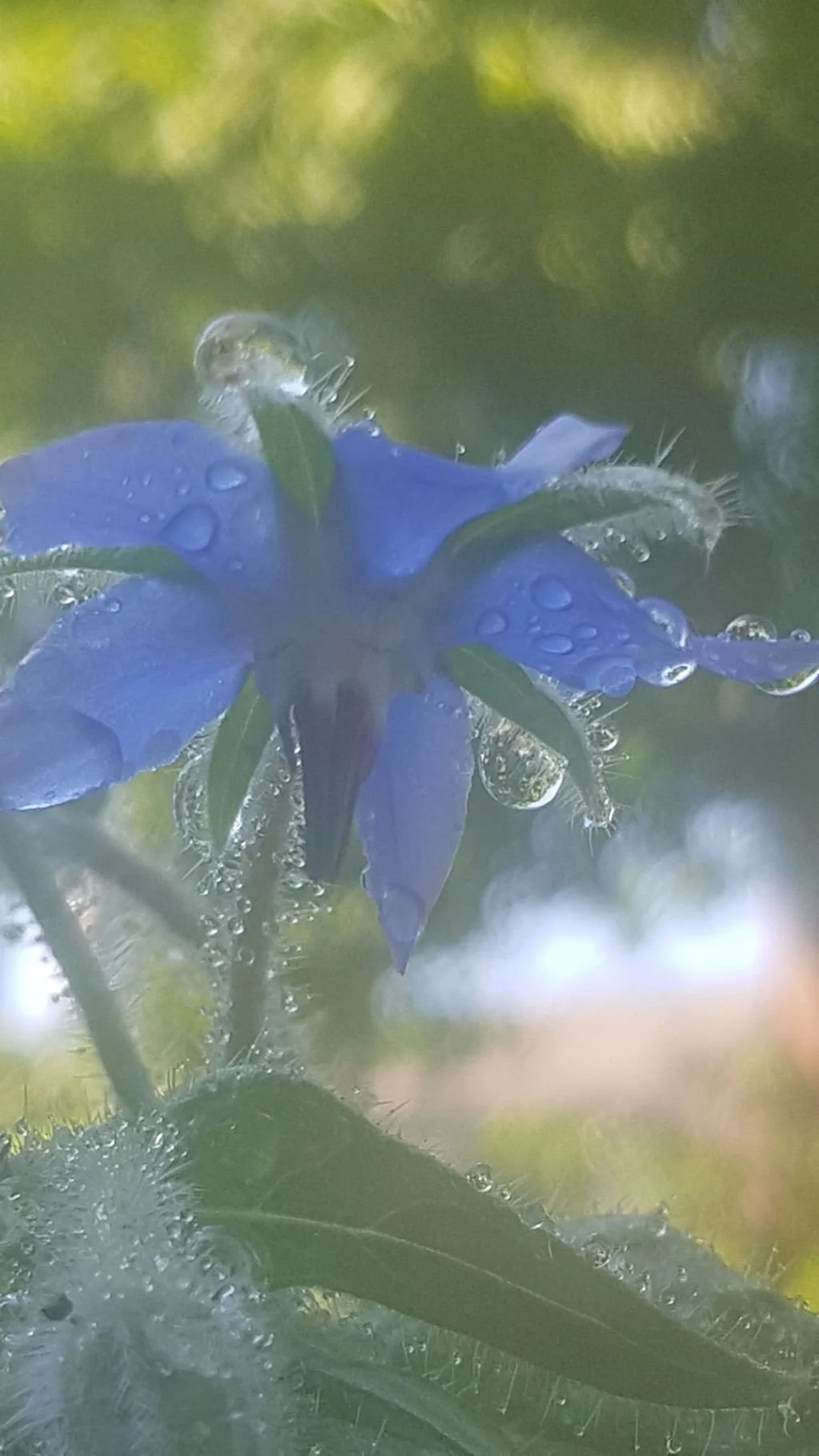
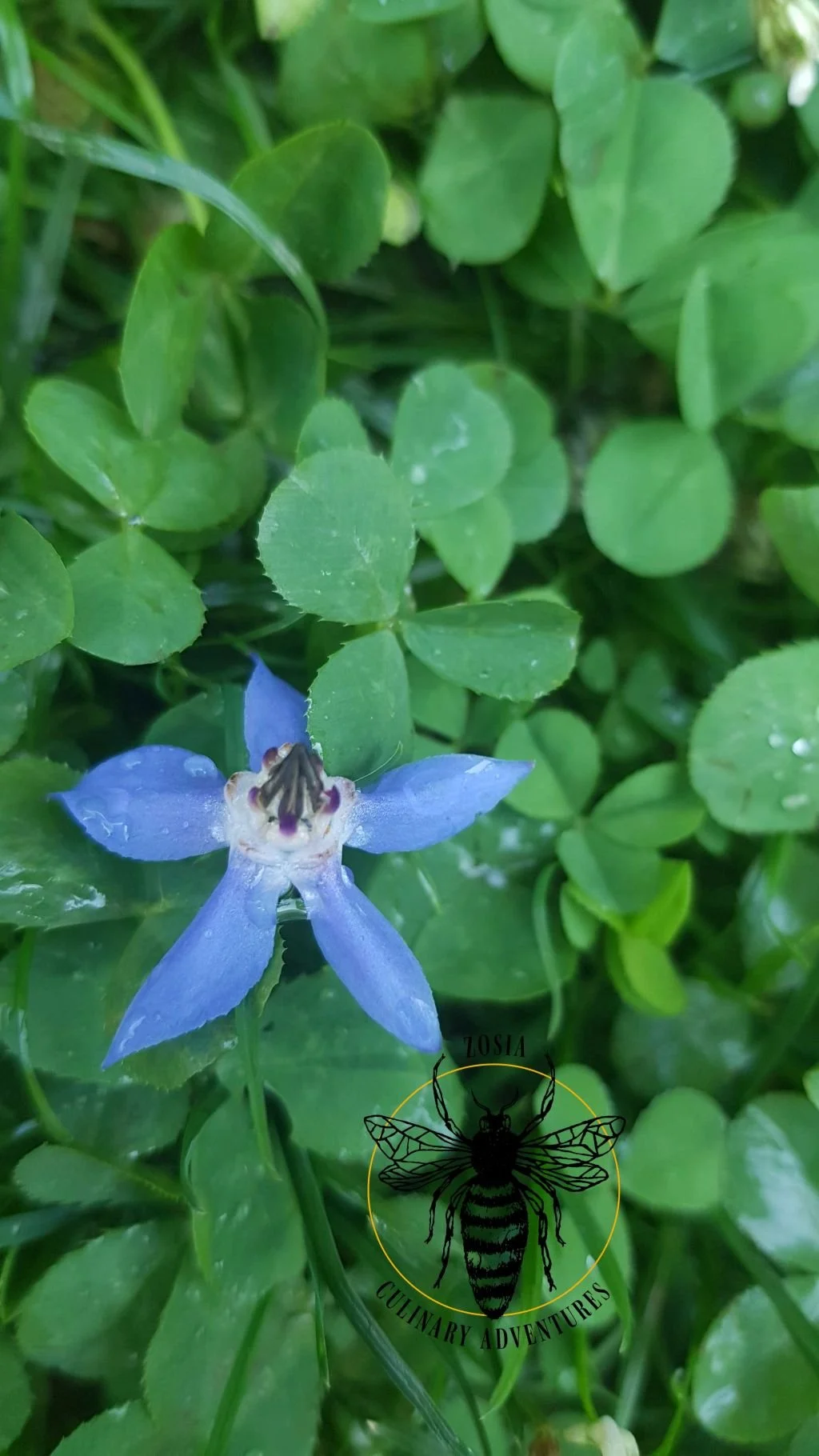
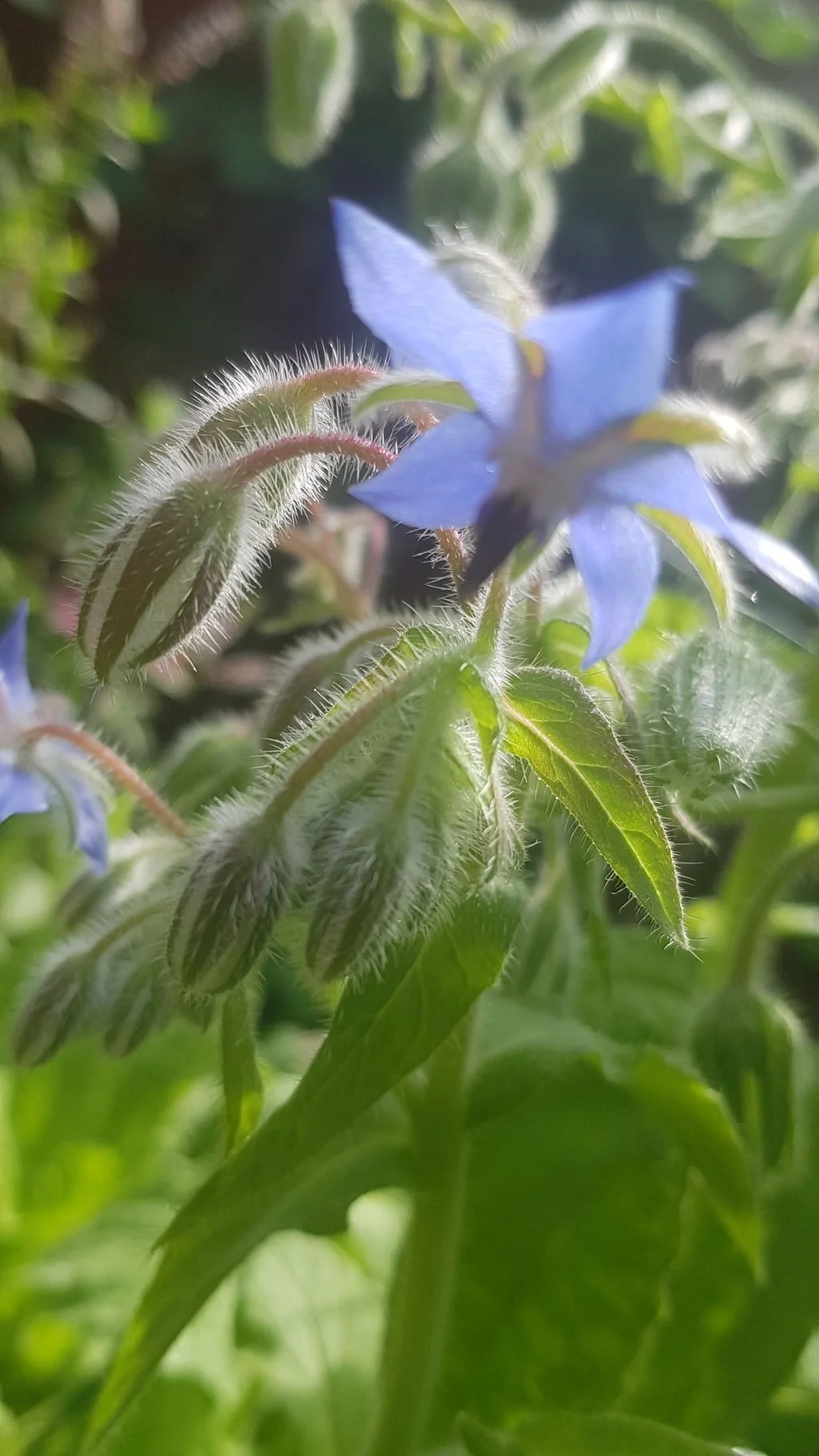
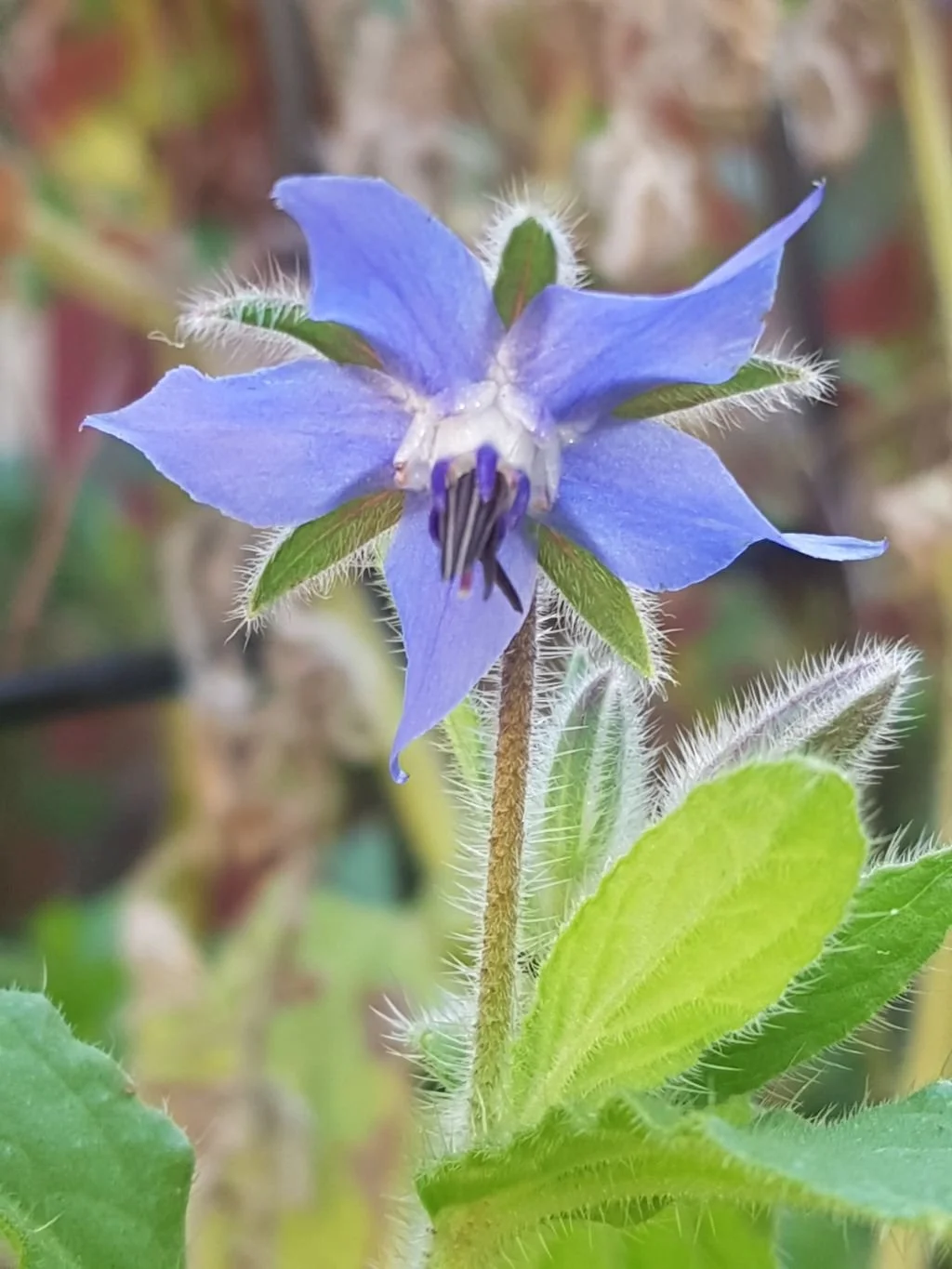
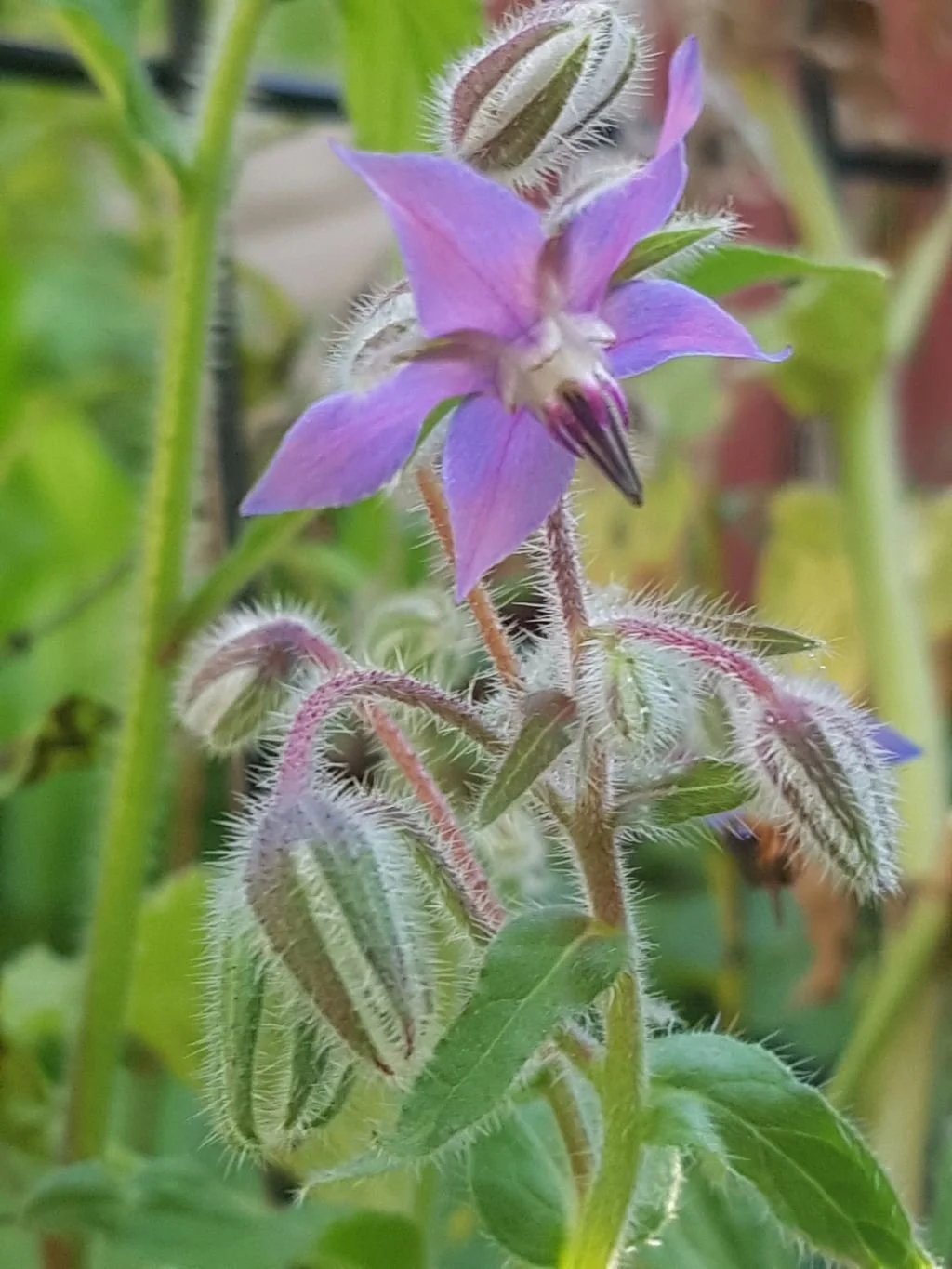
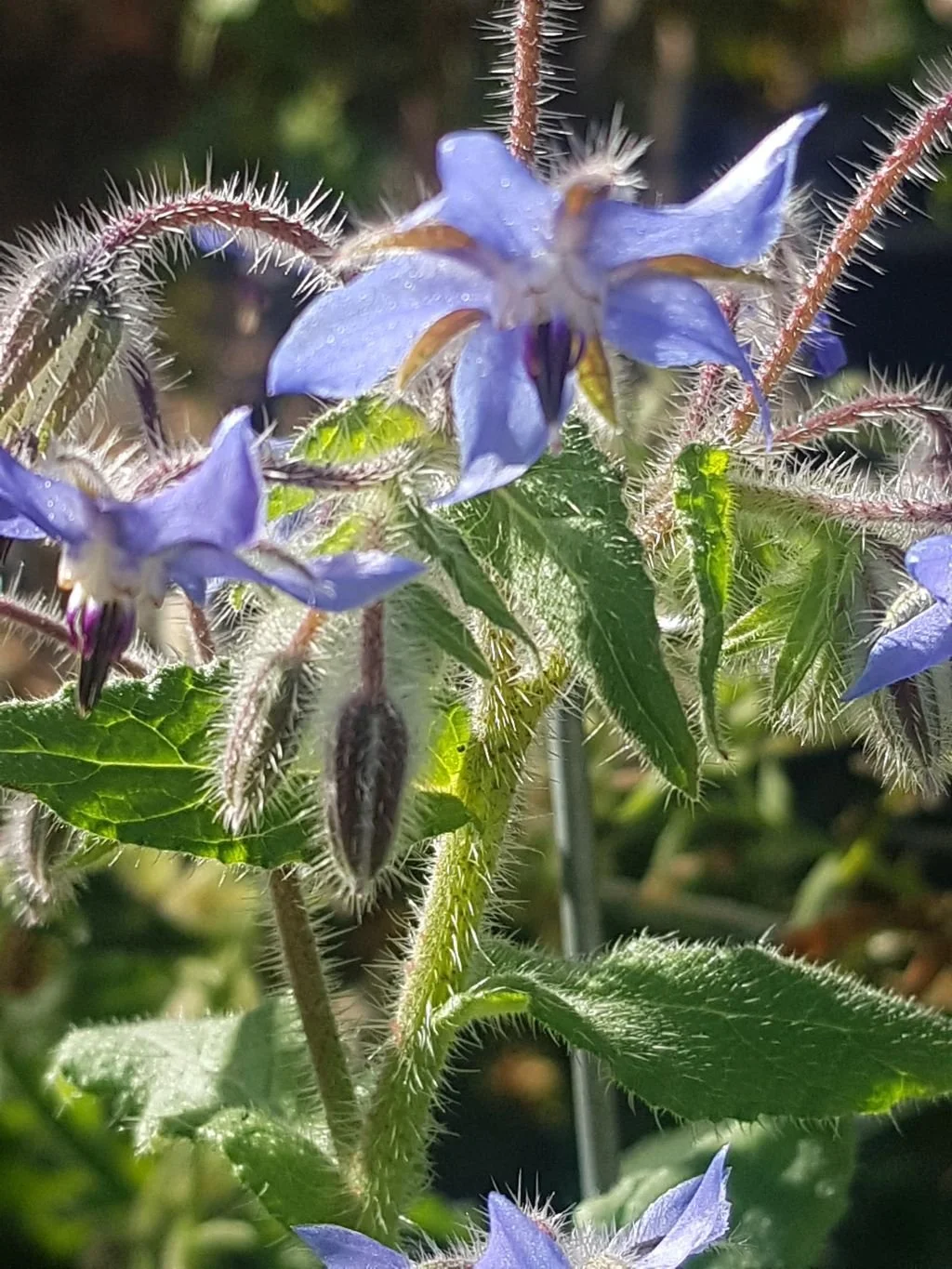
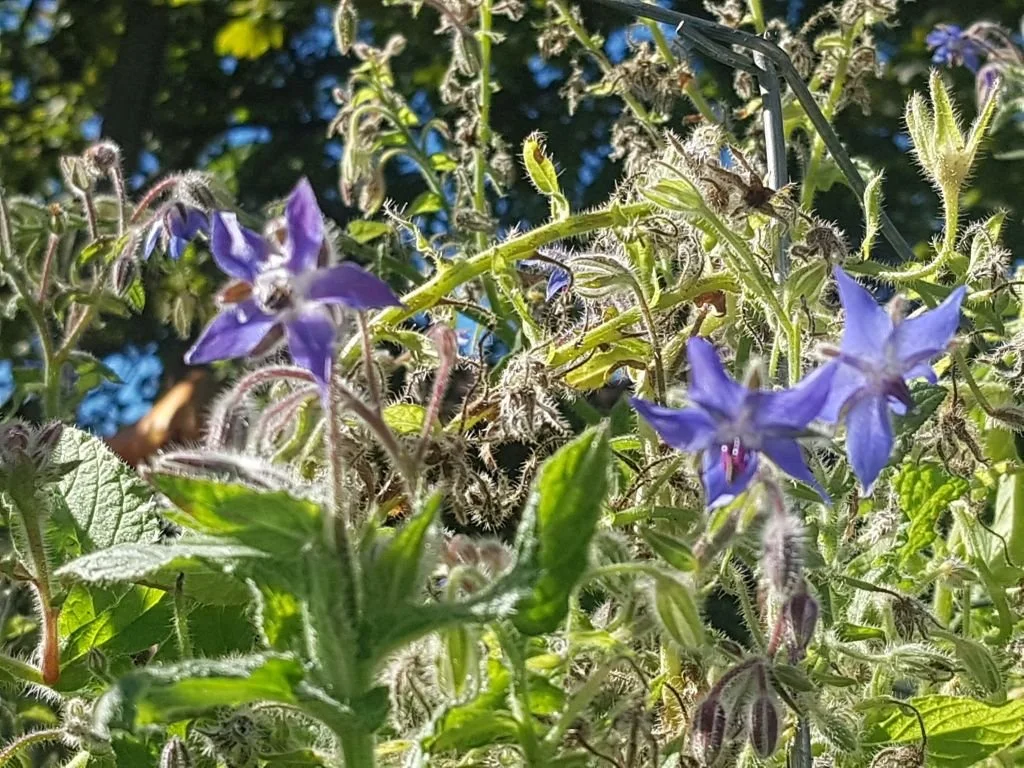
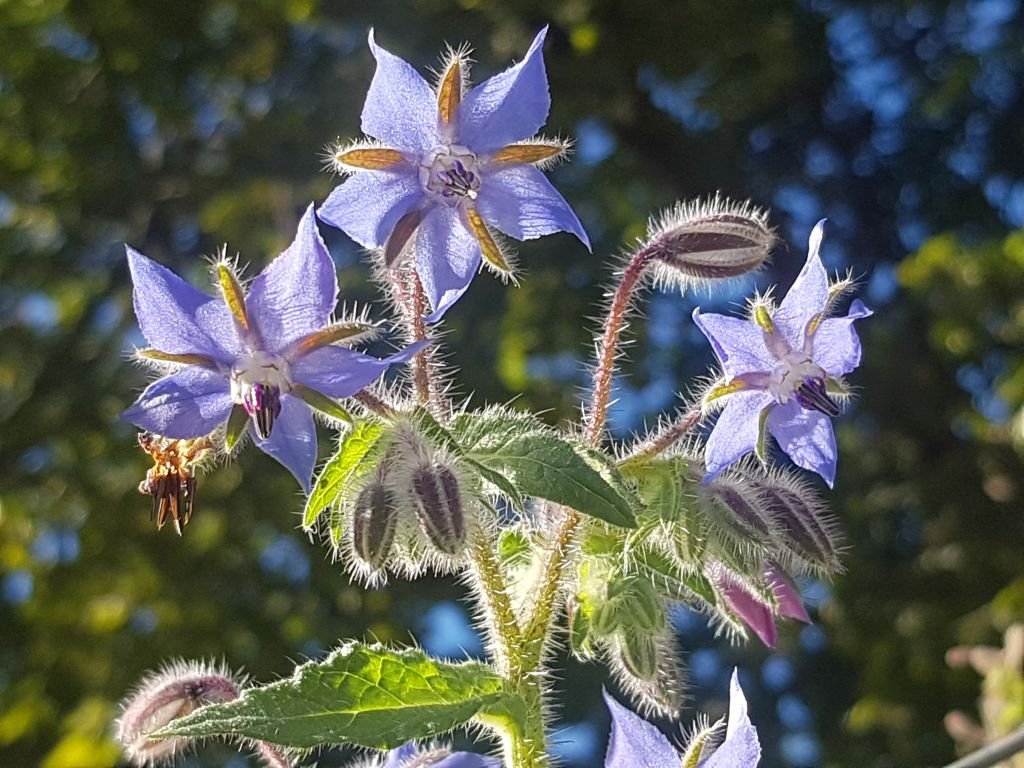
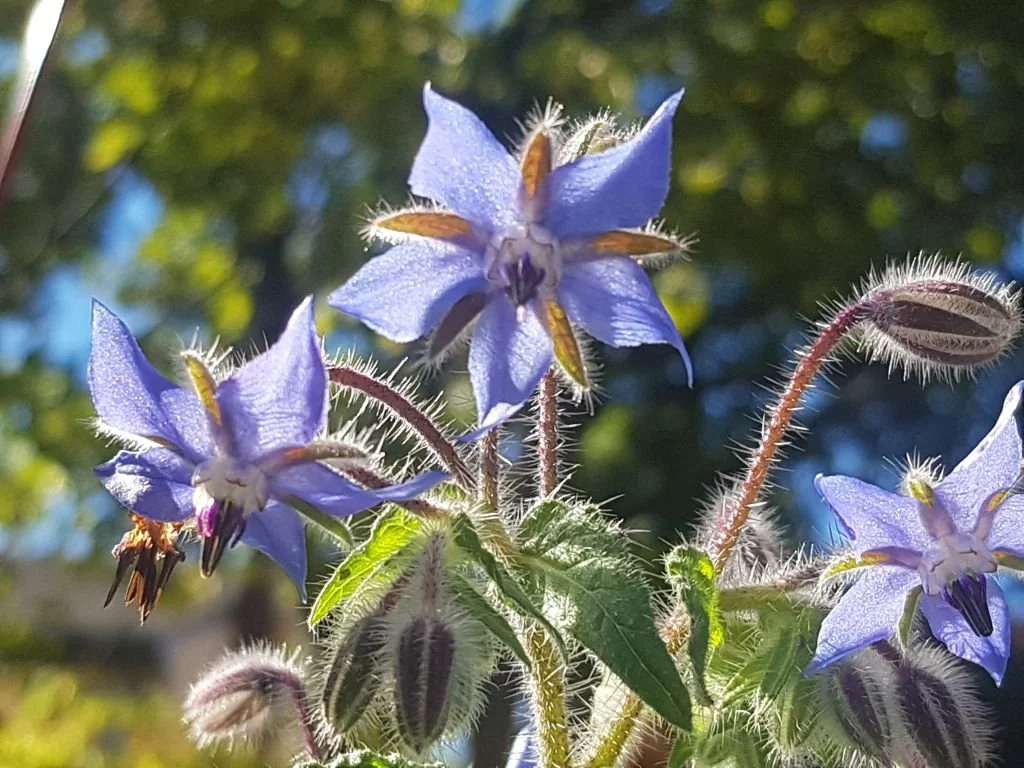
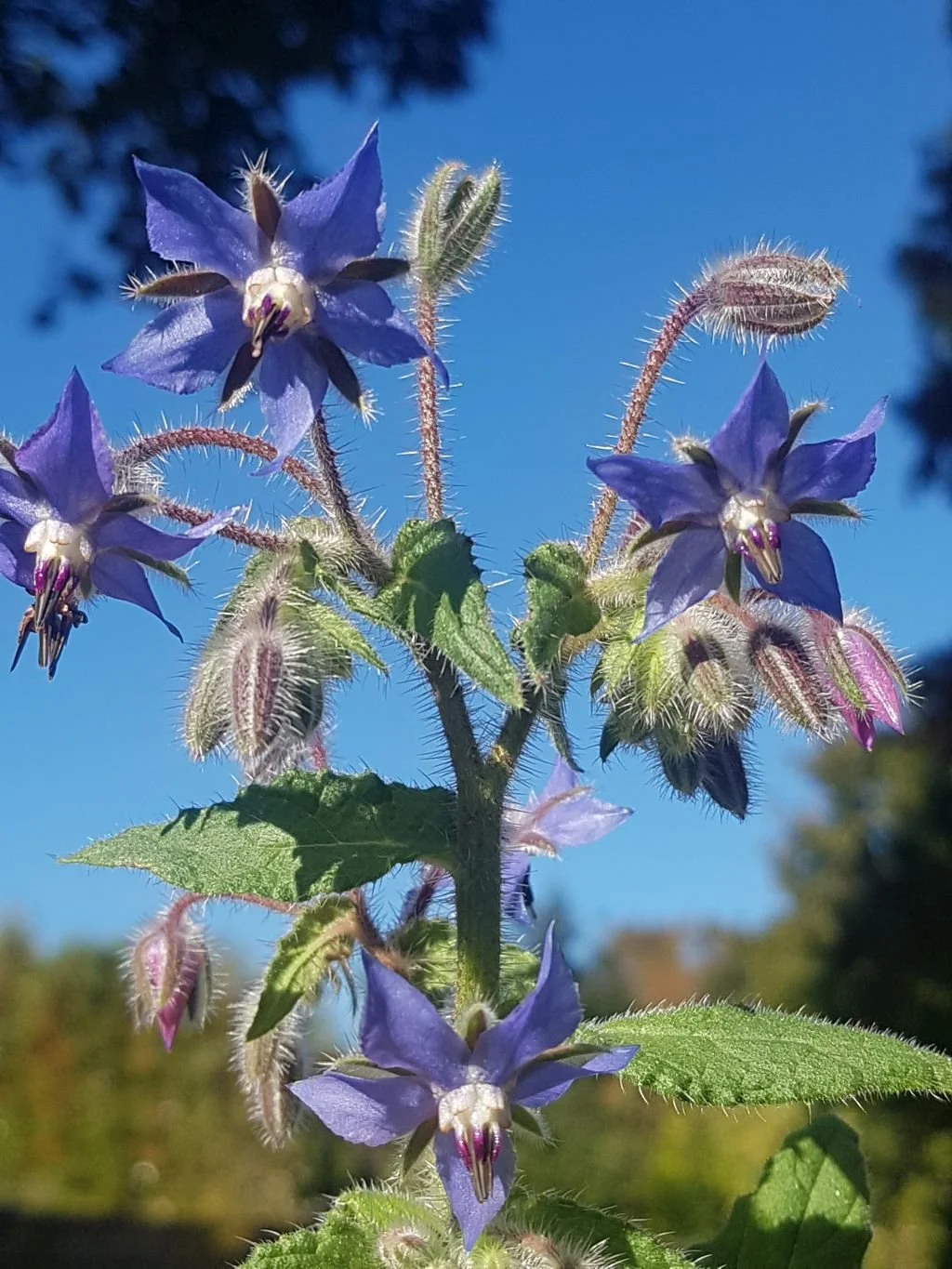
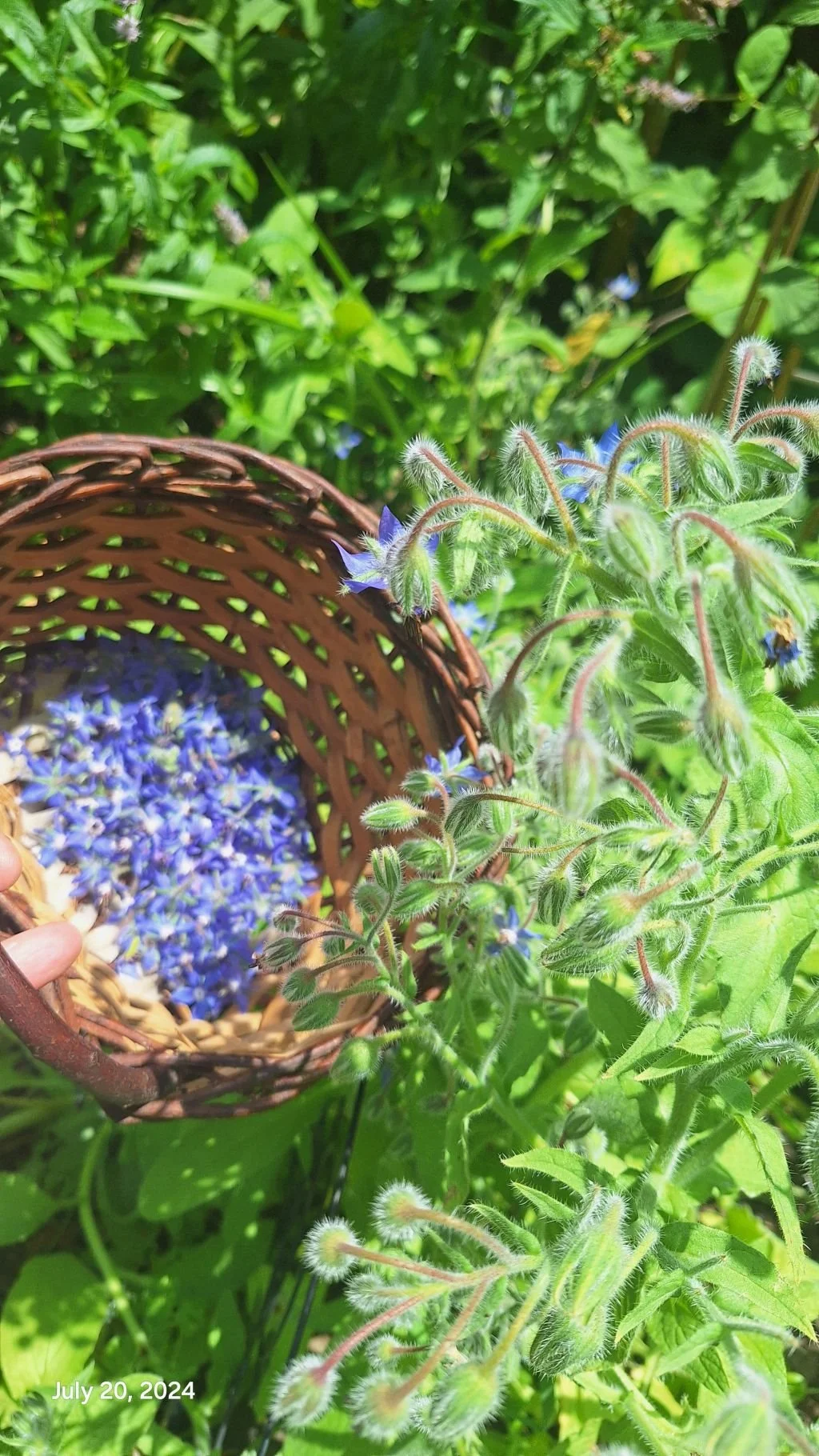
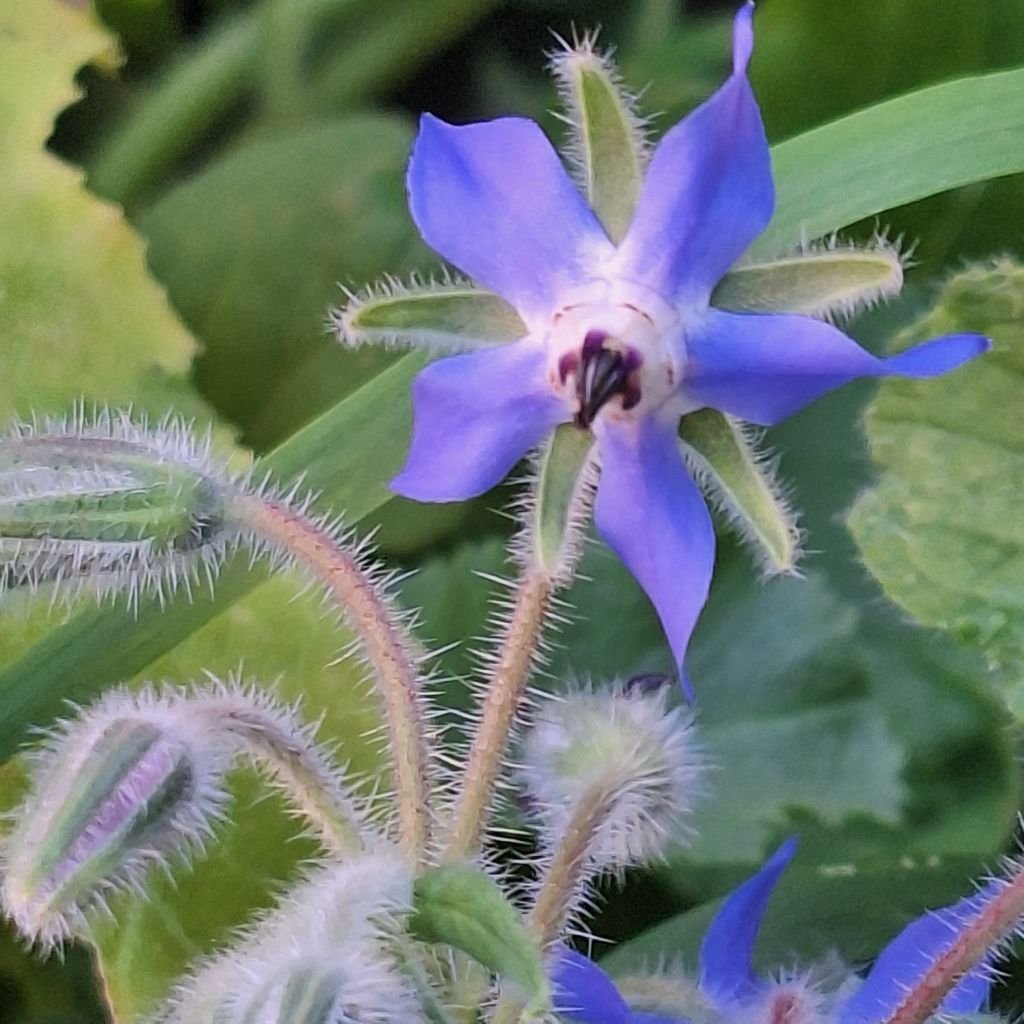
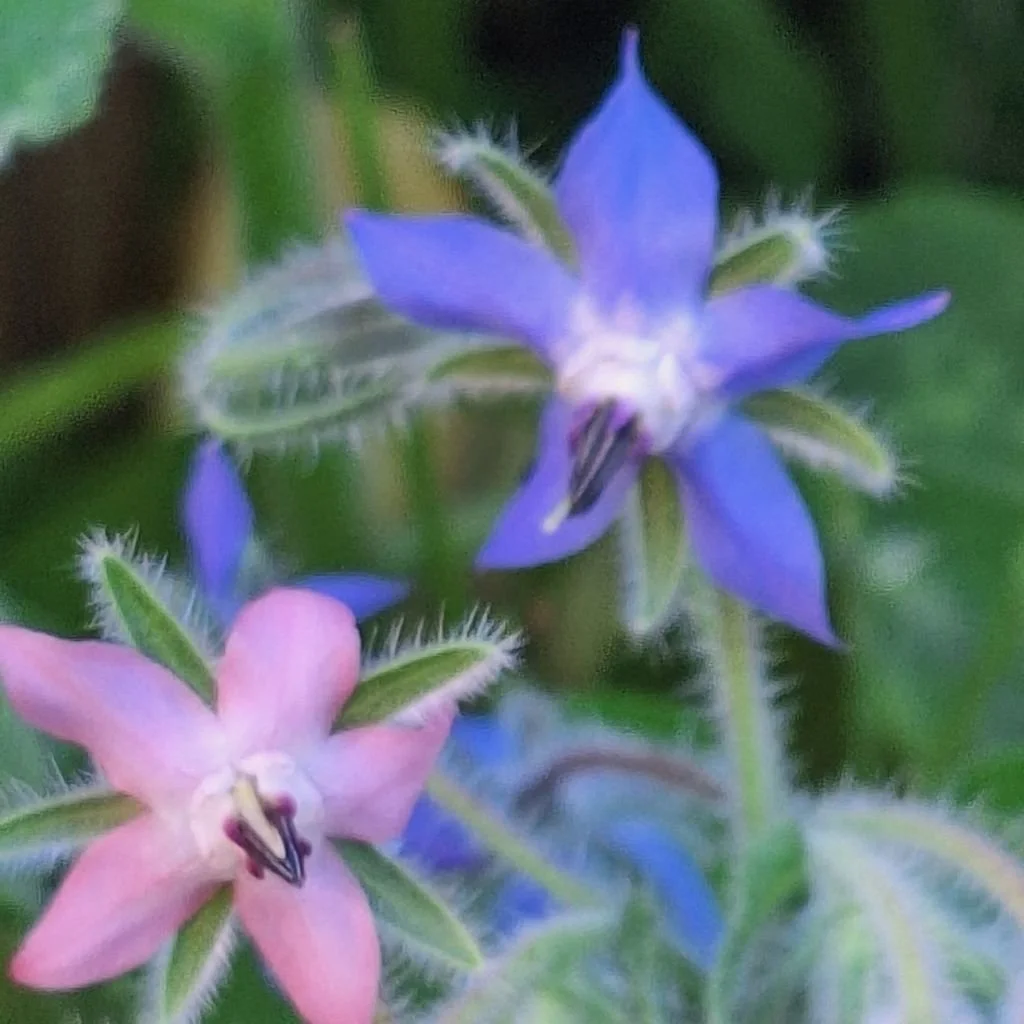
One of the most beautiful plants growing in my garden this season is borage. With its brilliant star-shaped blue flowers, soft fuzzy leaves, and constant buzz of happy bees, it has become one of my favorite garden companions. Every morning, it adds a splash of color and reminds me how a garden can nourish both people and pollinators.
Borage (Borago officinalis) is much more than an ornamental flower. It is an edible herb that has been cherished for centuries for both its culinary uses and its traditional herbal value.
Why I Love Growing Borage
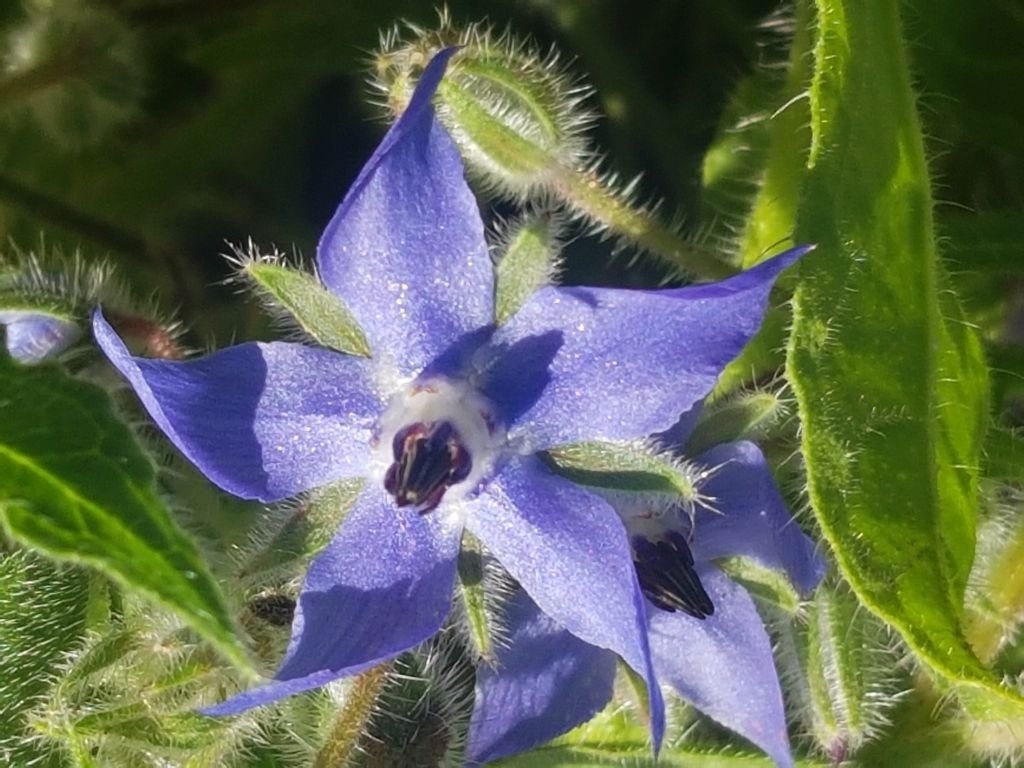
If you had asked me what borage was ten years ago, I probably wouldn't have had an answer. Then one day, while flipping through Traditional Home Book of Herbs by Michael Janulewicz, I came across a beautiful illustration of this remarkable plant. Its cucumber-scented leaves and delicate, star-shaped blue flowers immediately caught my attention. I was captivated by its vibrant color, graceful beauty, and the sense that it belonged in every cottage garden. From that moment on, I knew I wanted to grow borage in my own garden.
One of the biggest reasons I plant borage is that it attracts bees, butterflies, and other beneficial pollinators. Watching them visit the flowers throughout the day brings so much life to the garden, while also helping nearby vegetables, herbs, and fruiting plants produce better harvests.
Borage is also remarkably easy to grow. It thrives in sunny spots, tolerates a variety of soils, and often reseeds itself, returning year after year with very little effort.
Edible Flowers with a Refreshing Flavor
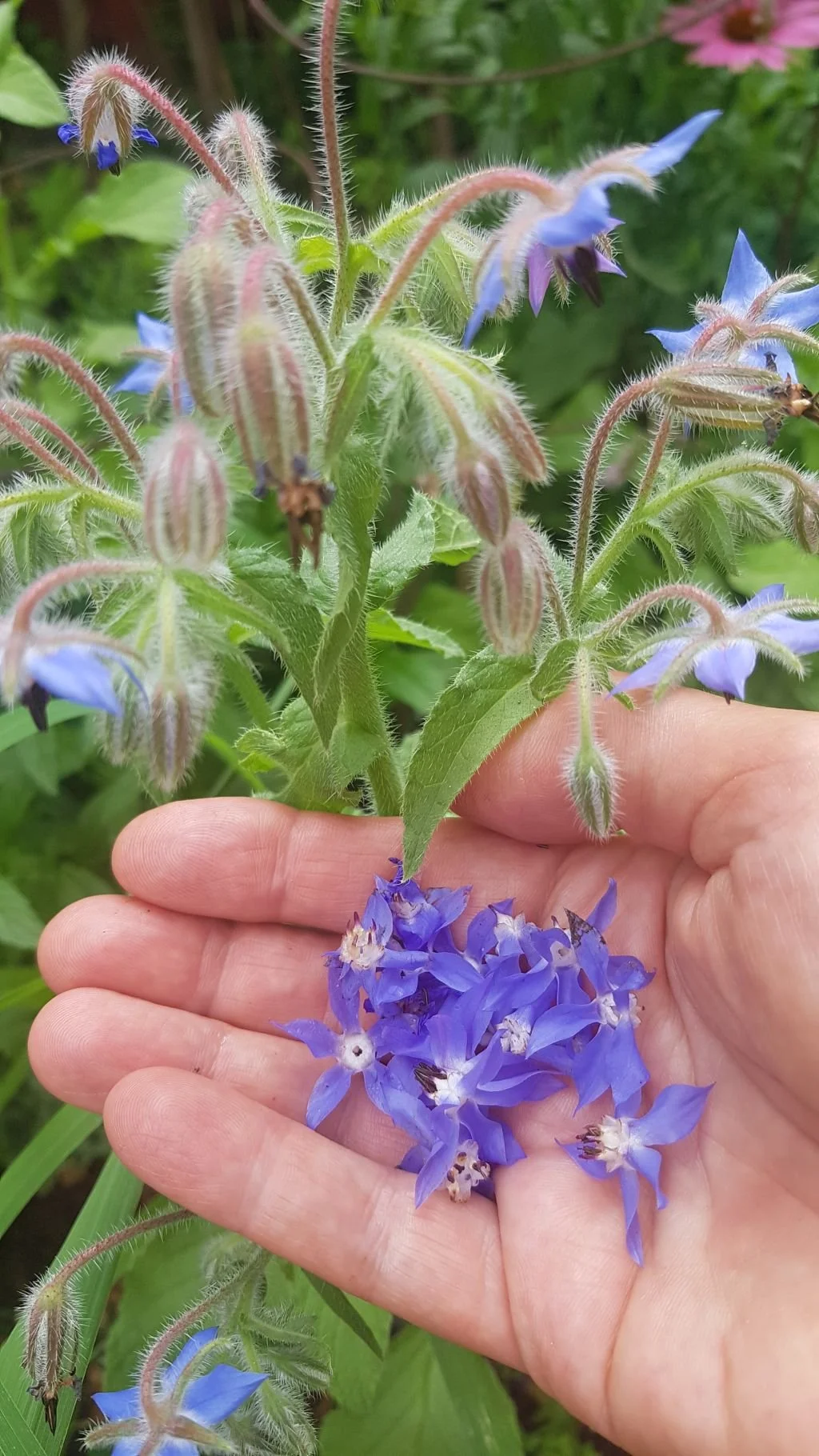
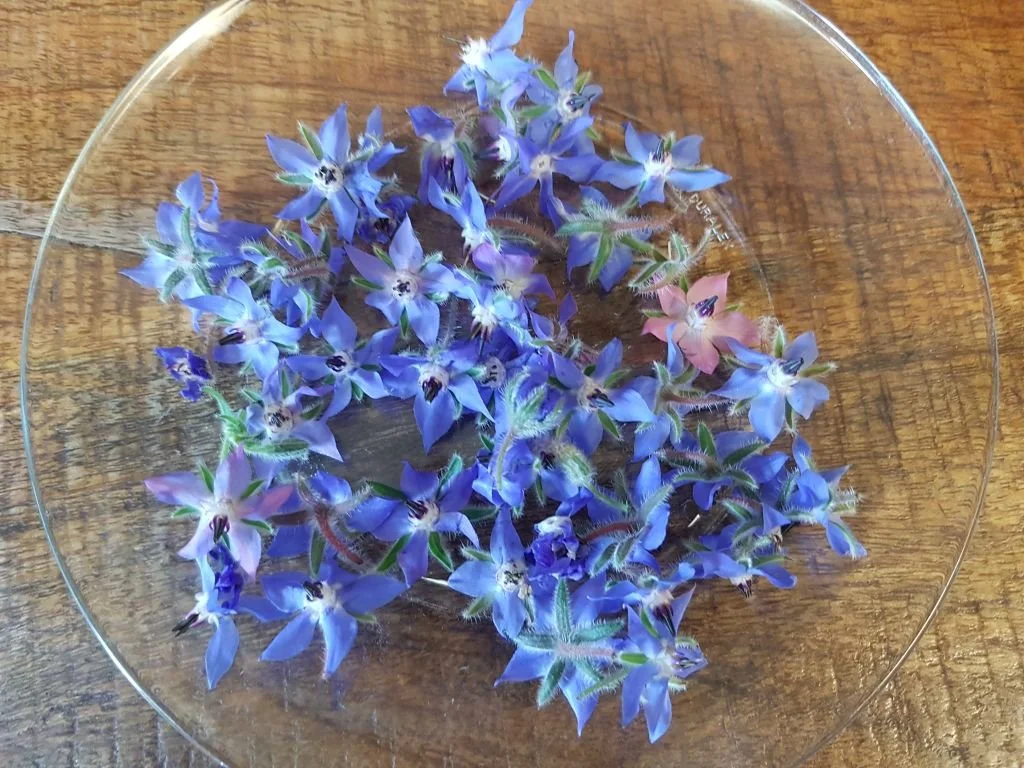
The vibrant blue flowers are completely edible and have a delicate, refreshing flavor that's often compared to cucumber.
I love using them to:
Decorate fresh salads
Garnish soups and desserts:
Add color to cheese boards
Freeze inside ice cubes for summer drinks
Sprinkle over cakes and homemade lemonade
They instantly make even the simplest dish look elegant.
Traditional Benefits of Borage
For generations, borage has been valued in traditional herbal practices. It has been used to promote relaxation, support overall wellness, and is appreciated for its antioxidant compounds. Its seeds are also the source of borage seed oil, which is naturally rich in gamma-linolenic acid (GLA), an omega-6 fatty acid that has been studied for various health applications.
While borage has a long history of traditional use, it's important to remember that herbal remedies are not a substitute for professional medical care. Fresh borage leaves and flowers should also be enjoyed in moderation, and borage seed oil should be used according to product directions.
A Garden Full of Life💙❤️🪴
Every time I walk through my garden, the cheerful blue blossoms remind me that beauty and nourishment often grow side by side. Borage feeds the pollinators, brightens the landscape, and brings a unique touch to the kitchen.
Sometimes the smallest flowers leave the biggest impression—and for me, borage is one of those special plants that makes the garden feel truly alive.
Have you ever grown borage in your garden? I'd love to hear how you use its beautiful flowers in your kitchen!