
The Ultimate Ontario Wild Mushroom Calendar: What to Forage (and Cook) Every Season
⚠️ A note about wild mushrooms: This post shares my personal experiences with Ontario's wild mushrooms, including the seasons when I've encountered different species and how I've enjoyed properly identified mushrooms in the kitchen. It is not a foraging guide or mushroom-identification guide, and it is not intended to encourage readers to collect or eat wild mushrooms. Wild mushrooms can be extremely difficult to identify, and some poisonous species closely resemble edible ones. Never eat a wild mushroom based on information or photographs in this article. If you are interested in mushroom identification, seek guidance from a qualified local expert and independently verify any identification before considering consumption.📝🍁🍄
Food has always been my passion—something I’ve felt deeply connected to for as long as I can remember. To me, food is so much more than nourishment. It is comfort, memory, tradition, and emotion, woven into every bite.
Have you ever caught a scent that instantly transported you somewhere else? A familiar aroma that brings back a childhood memory, makes you feel safe, or reminds you of home?
For me, that scent is the earthy fragrance of the forest.
Some of my earliest food memories are rooted in the woods, foraging for wild mushrooms and picking strawberries and blueberries with my parents when I was just three years old. I remember the sweet aroma of a wild strawberry tart baking in my aunt’s kitchen and the simple pleasure of eating plum dumplings on a warm summer day. Looking back, I realize these moments shaped not only my love of food, but also the way I experience it today.
There is something wonderfully magical about Ontario’s forests and the wild mushrooms that emerge from them. From the rugged landscapes of the Niagara Escarpment to the moss-covered forests of Muskoka and the Algonquin Highlands, Ontario offers an incredible variety of fungi, each with its own season, habitat, personality, and place in the forest.
What fascinates me most is how fleeting—and unpredictable—the mushroom season can be. Wild mushrooms don’t simply follow a calendar. They respond to rainfall, temperature, soil moisture, changing seasons, and the trees and ecosystems around them. A forest that seems almost silent one week can suddenly come alive with morels, chanterelles, boletes, and other wild fungi after just the right combination of weather and conditions.
Over the years, I’ve come to appreciate these seasonal appearances for much more than what eventually ends up on my plate. There is the anticipation of finding the first morels of spring, the excitement of spotting golden chanterelles after a summer rain, and the wonder of discovering the substantial, meaty mushrooms that emerge as autumn approaches. Every season brings its own treasures—and every walk through the forest offers the possibility of finding something unexpected.
For me, foraging is where nature, food, and memory meet.
In this guide, I’m sharing my personal Ontario wild mushroom calendar—a seasonal journey through the mushrooms I’ve encountered, the habitats and conditions where they appear, and the ways I love to bring these remarkable ingredients from the forest to the kitchen.
So, whether you’re an experienced forager, a curious home cook, or simply someone who loves discovering the wild foods growing around us, I hope this guide inspires you to slow down, look a little closer, and appreciate the incredible seasonal abundance of Ontario’s forests.
And, of course, to enjoy some delicious mushrooms along the way.🍄🍁❤️
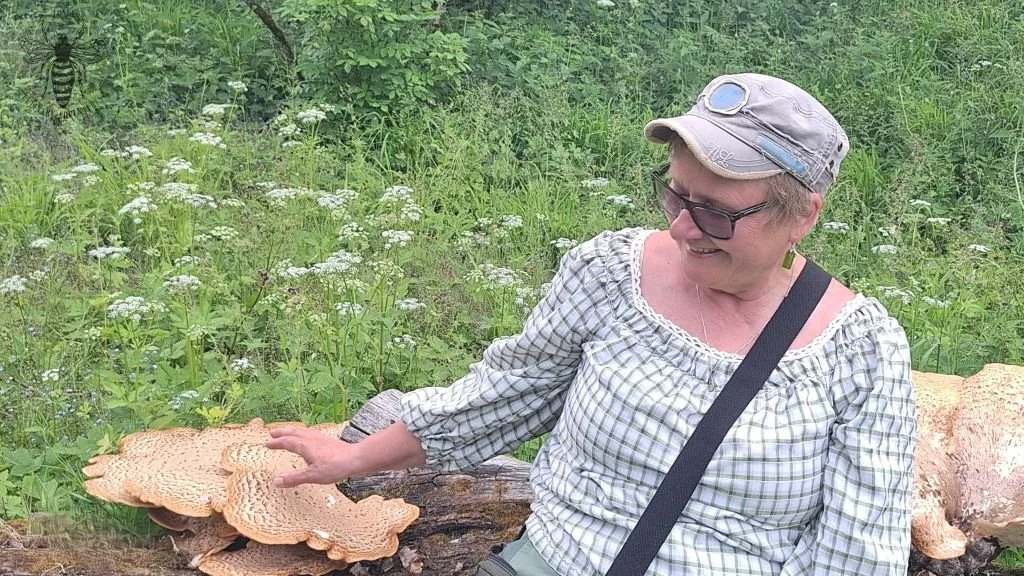
🌿 SPRING (Late April – June): The Elusive Spring Arrivals
Spring is when I start paying closer attention to the forest floor. As the snow disappears and the woods begin to warm, Ontario's forests slowly come back to life—and with them comes the anticipation of the first mushrooms of the season.
For me, spring is synonymous with the excitement of encountering a few beautifully formed, properly identified mushrooms after months of waiting.
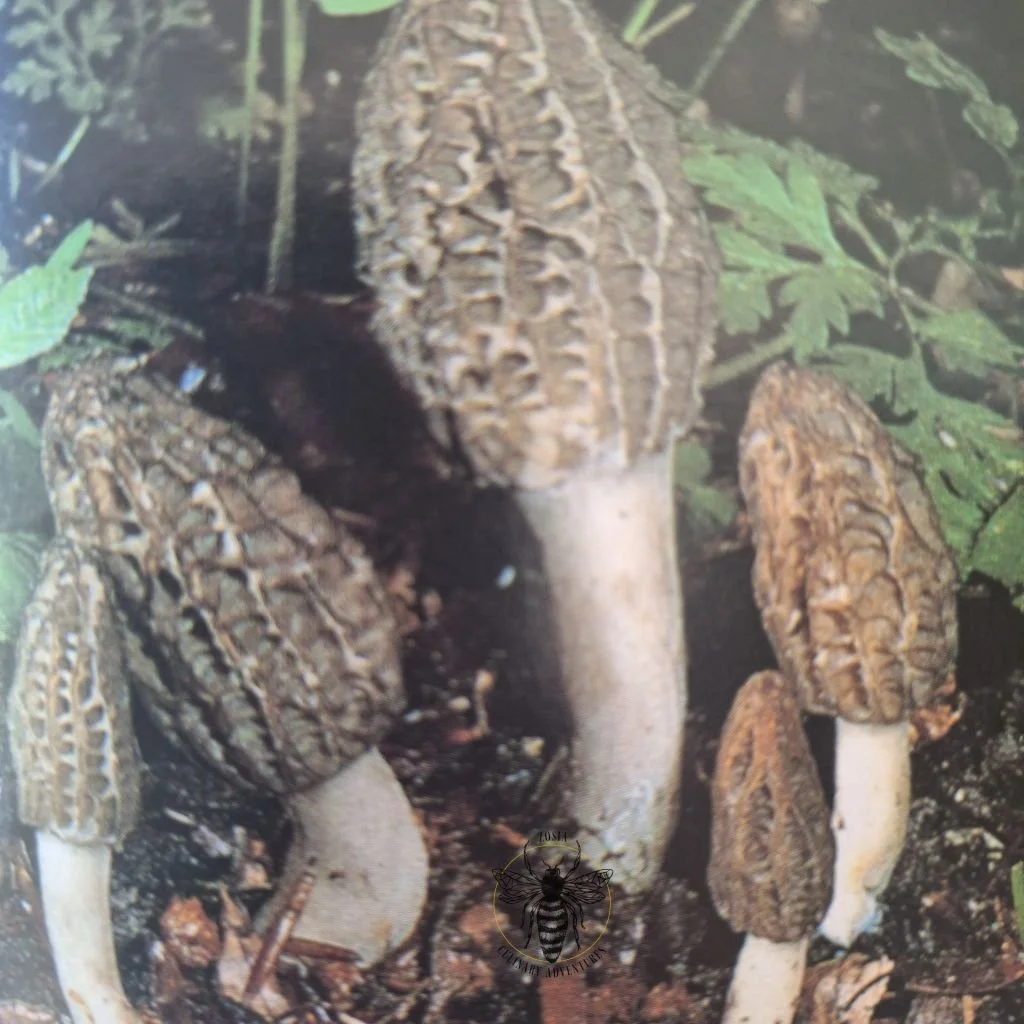
🍄 Morels — Morchella species
Morels are undoubtedly among the most celebrated wild mushrooms of spring. Their honeycomb-like caps and distinctive appearance make them instantly fascinating, but their season can be remarkably fleeting.
I've always found morels particularly exciting because they seem to embody the unpredictability of wild mushrooms. Their appearance varies with weather, moisture, habitat and the time of year, making every spring a little different.
When properly identified and prepared, morels have an extraordinary deep, nutty flavour. In my kitchen, I prefer to keep them simple—gently sautéed in good Ontario butter with spring herbs or ramps, folded into pasta, or served alongside a beautifully cooked steak.
⚠️ Safety note: Morels have poisonous look-alikes, and identification should never be based on a photograph or a single characteristic. Never eat a wild mushroom unless its identity has been independently and confidently verified by an appropriate expert. Morels should also be thoroughly cooked.
🍄 Dryad's Saddle / Pheasant Back — Cerioporus squamosus
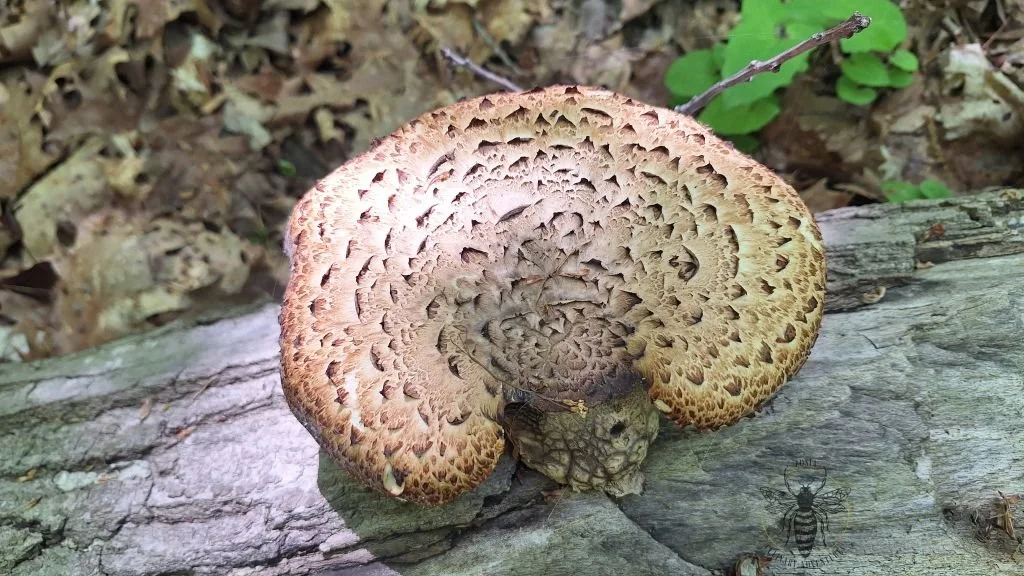
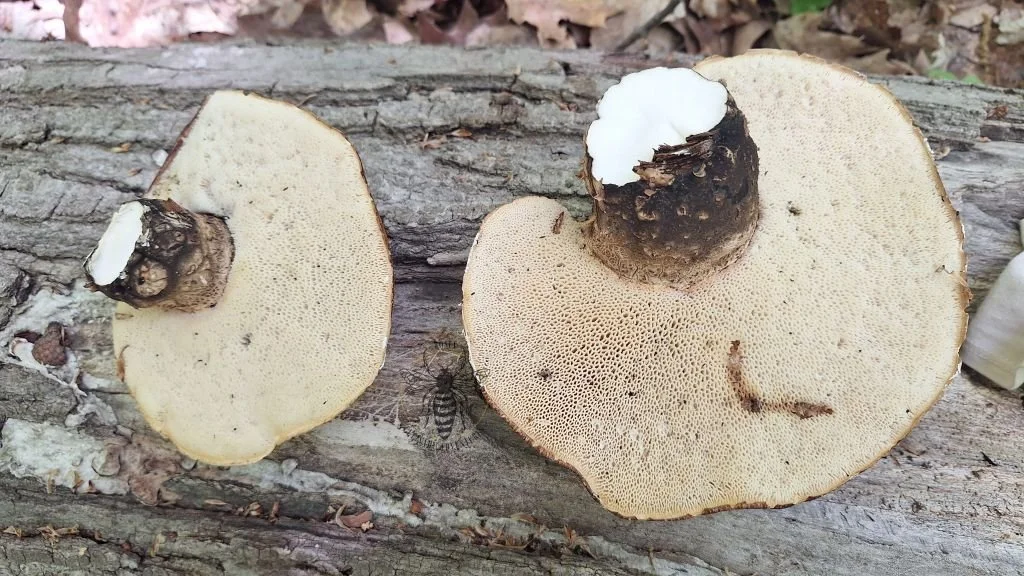
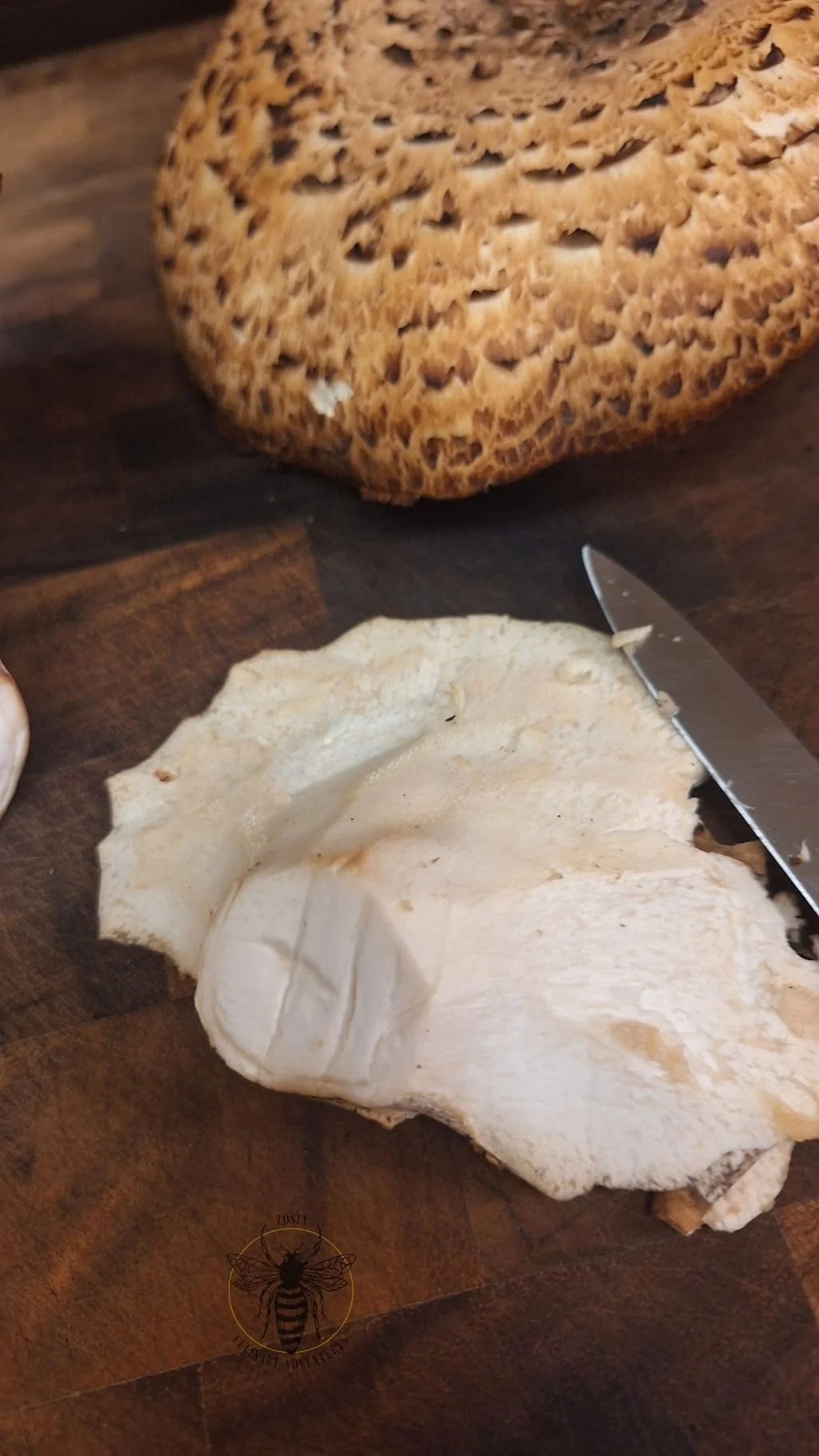
Another fascinating spring arrival is the Dryad's Saddle, also known as Pheasant Back.
These distinctive mushrooms commonly appear on hardwood and are particularly interesting when young and tender. One of the details I love most is their fresh, almost watermelon-rind-like aroma. These are taster than store bought mushrooms. Young Pheasant Backs are tender enough to eat. No look-alikes mushrooms. Sauté them in the butter and garlic. Delicious with scrambled eggs.
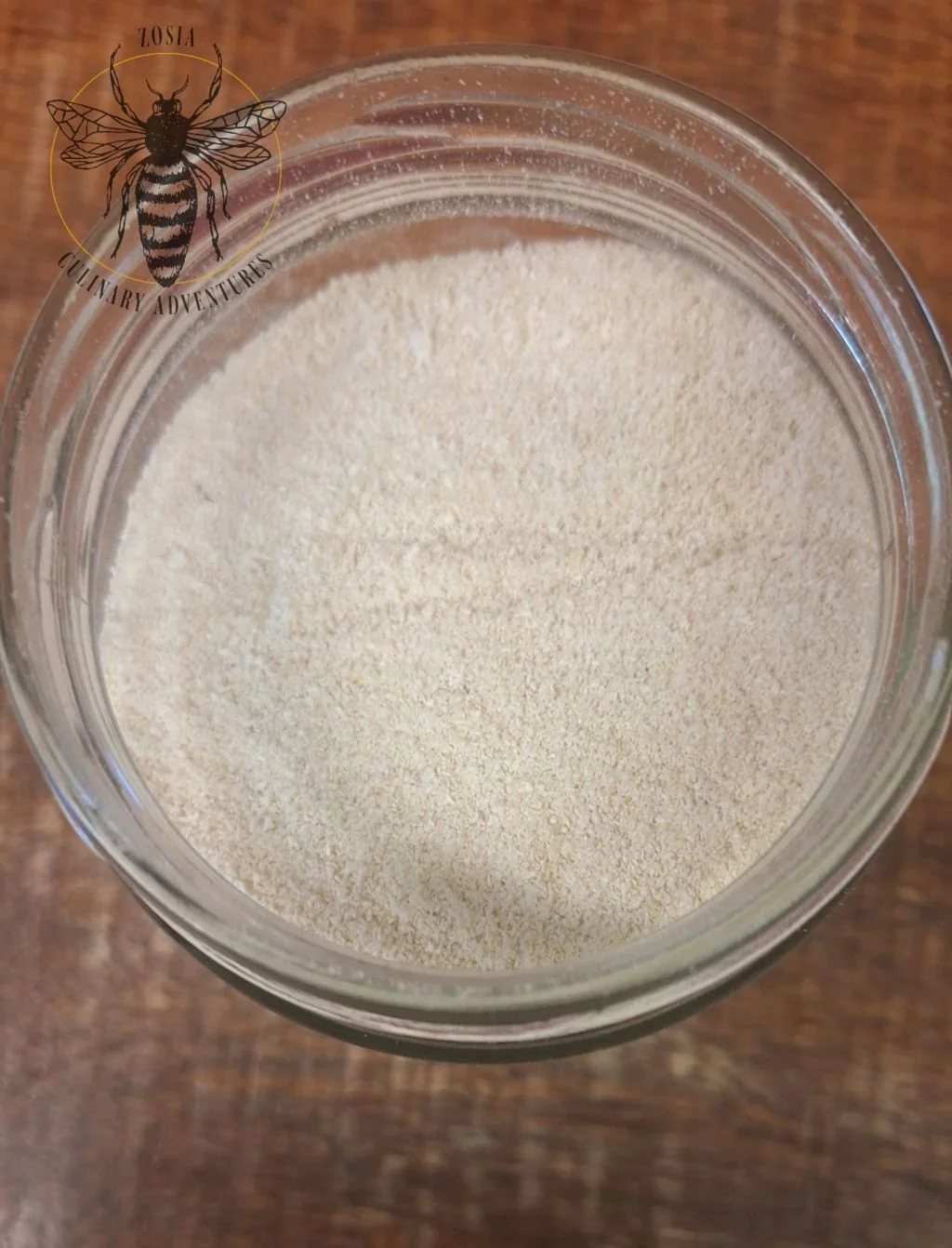
As they mature, they become increasingly tough, which is a good reminder that with wild mushrooms, age and condition can be just as important as identification. I ground the tougher mushrooms into a fine powder, which I now use to enrich my soups and sauces. Check below for the recipe⤵️
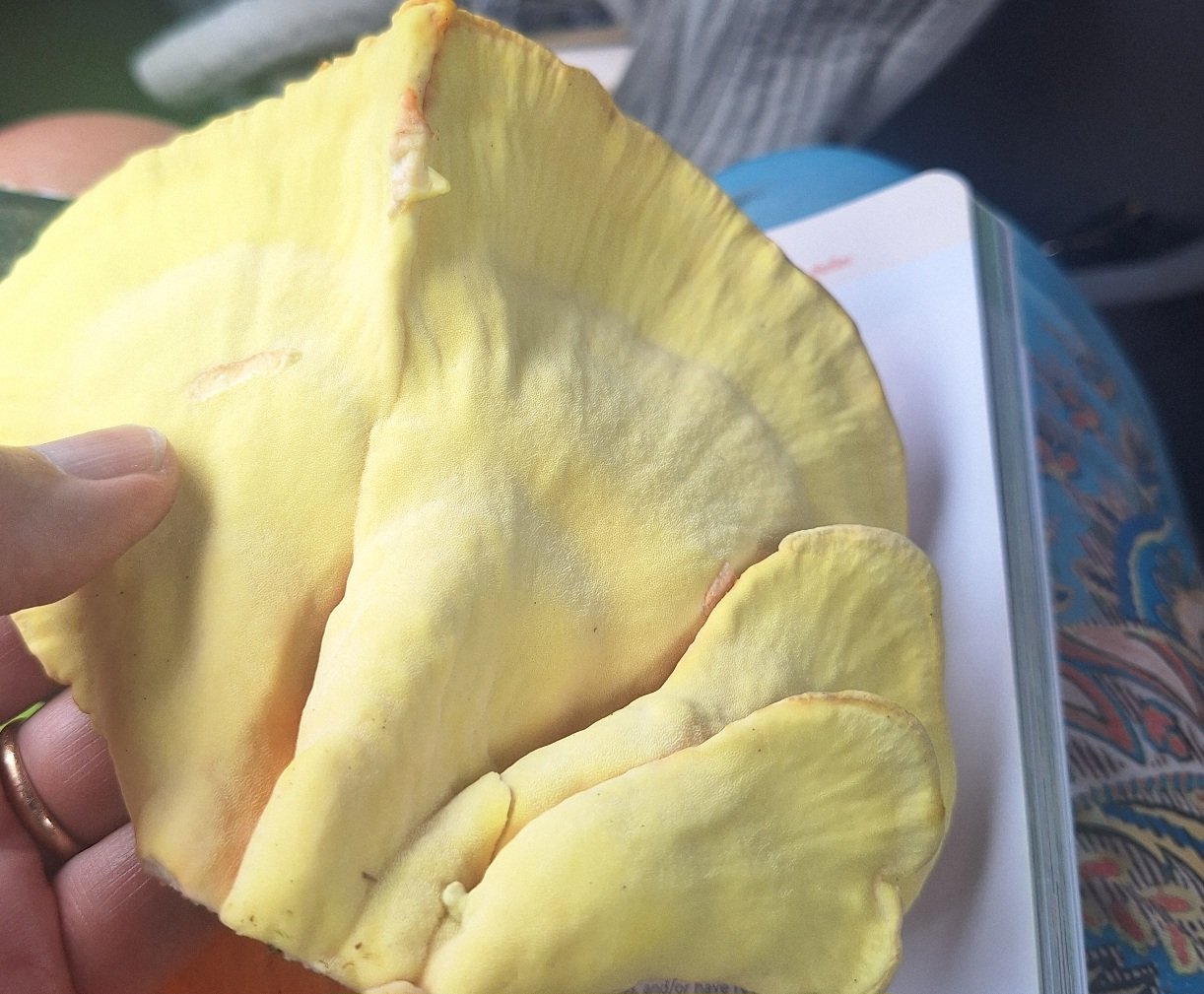
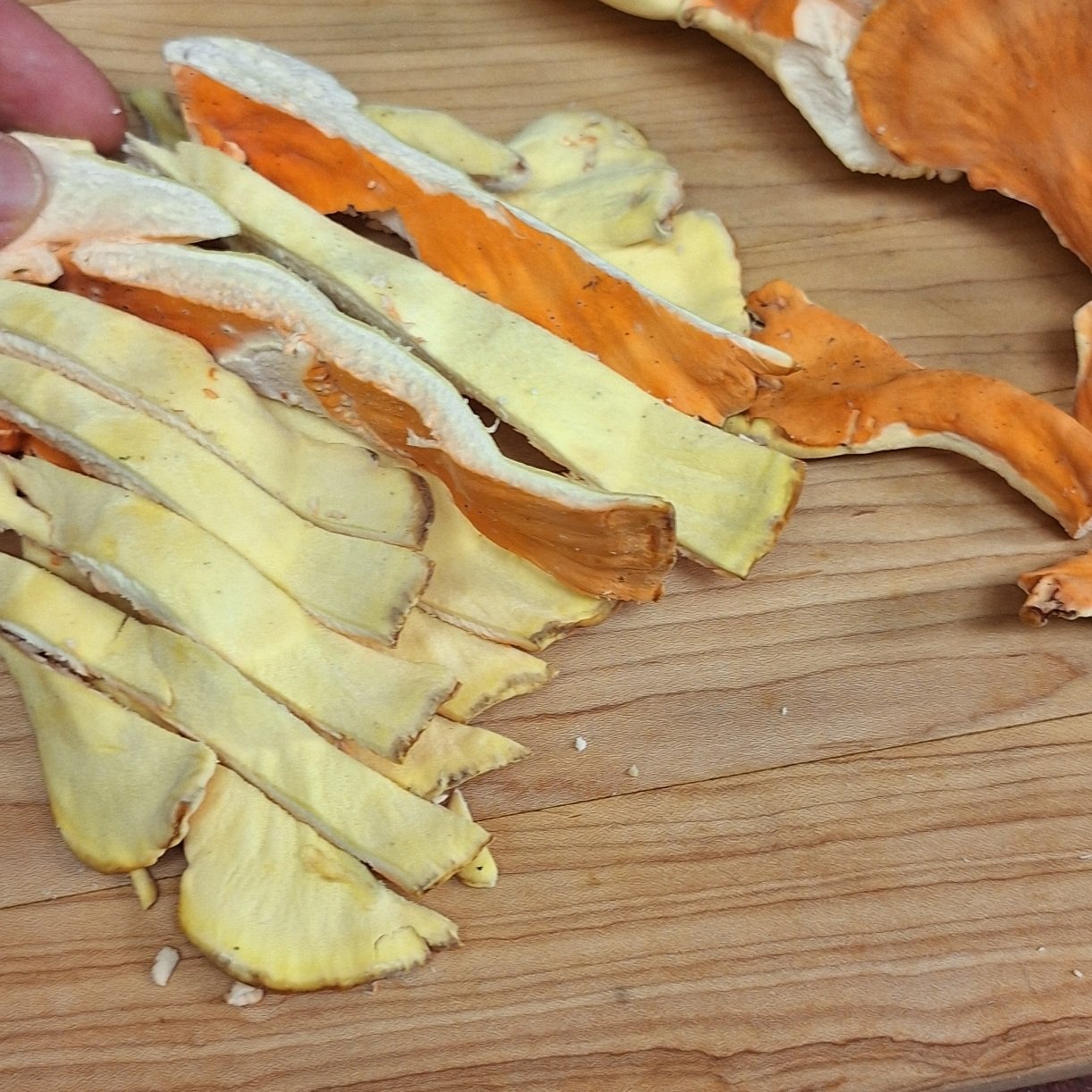
🍄 Chicken of the Woods — Laetiporus species
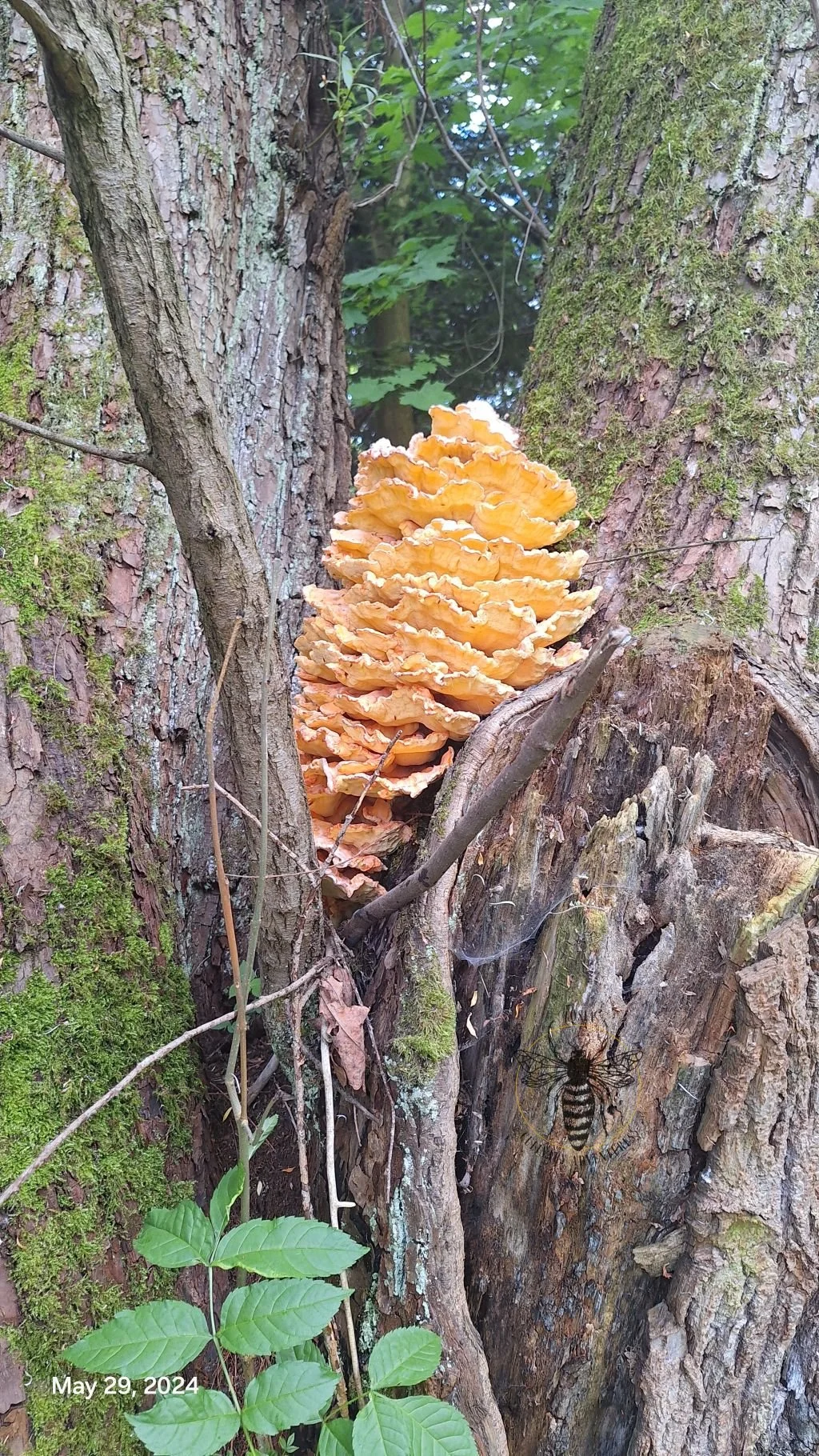
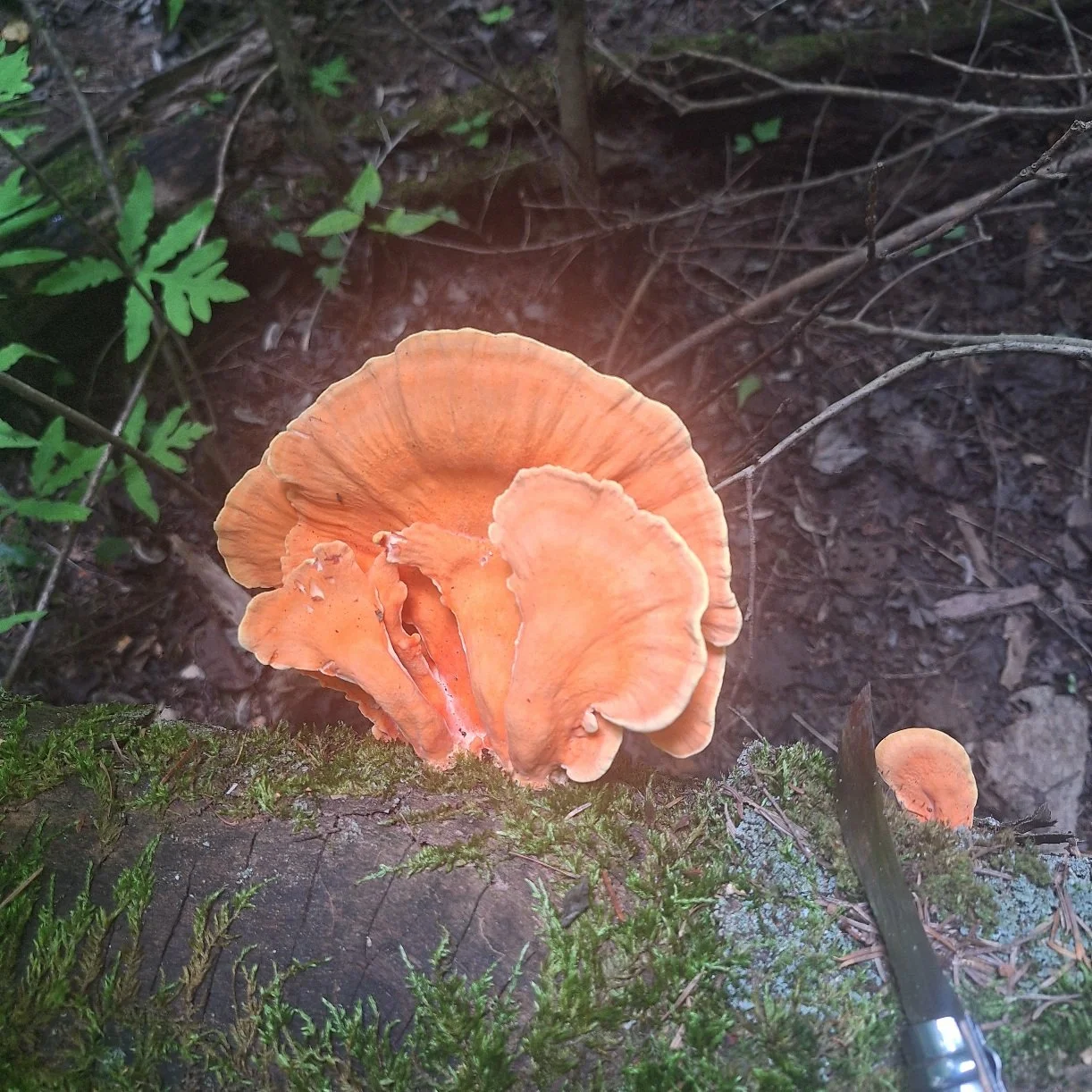
Chicken of the woods is one of those mushrooms that can stop you in your tracks. Its bright clusters can appear dramatically on trees or fallen wood, creating a splash of orange and yellow against the forest.
It is a wood-decaying polypore associated with a variety of hardwoods, including oak. Young, fresh portions tend to have the most appealing texture, while older growth can become increasingly firm and fibrous.
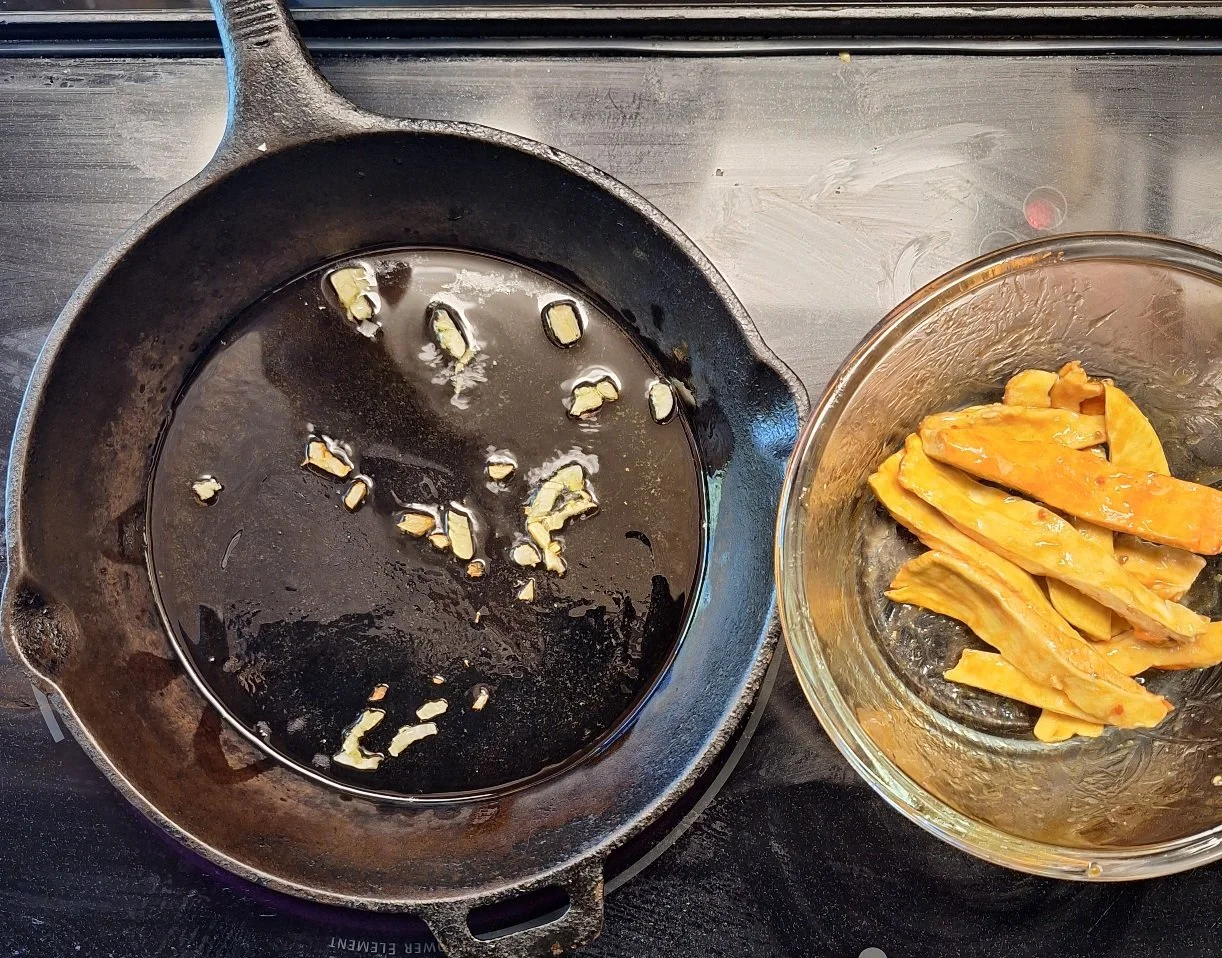
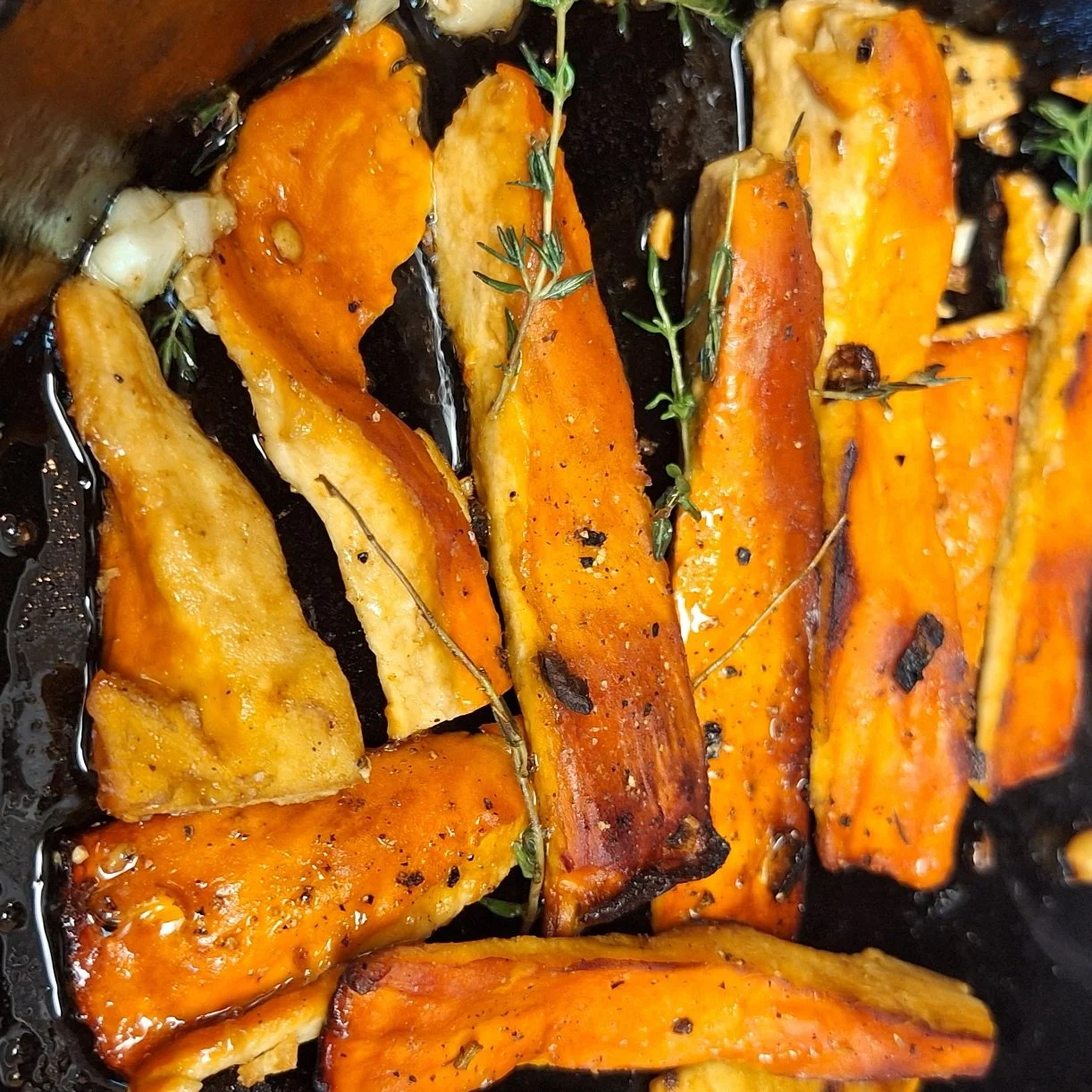
For me, chicken of the woods is at its best when treated as a substantial ingredient rather than simply a mushroom side dish. Properly identified young specimens can be beautifully roasted, sautéed or incorporated into savoury dishes. The texture becomes chewy when dried and rehydrated, so sauté first and then freeze.
☀️ SUMMER (July – August): The Flash of Forest Gold
Summer brings a completely different character to Ontario's forests.
Warm temperatures, rainfall and humid weather can transform the woods almost overnight. After a period of rain, I love walking through the forest and noticing how many different colours and textures seem to appear among the moss, leaves and trees.
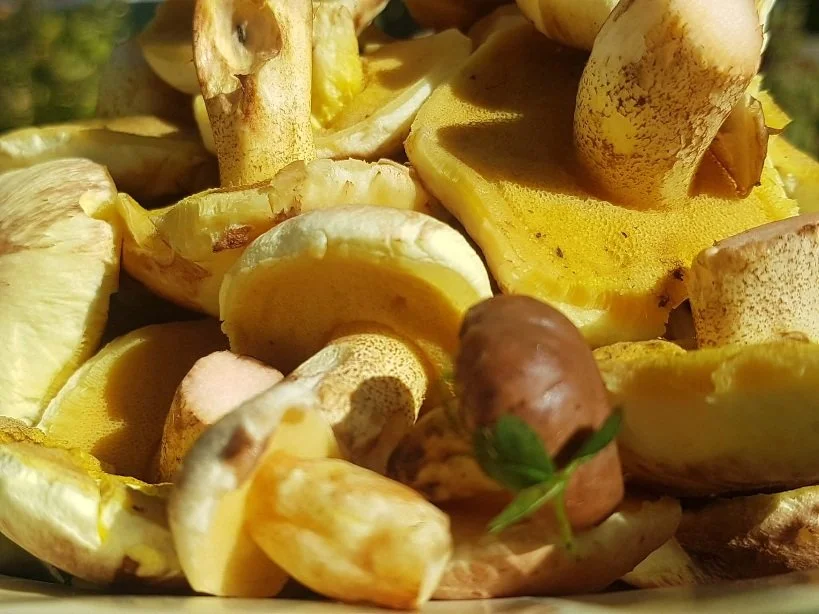
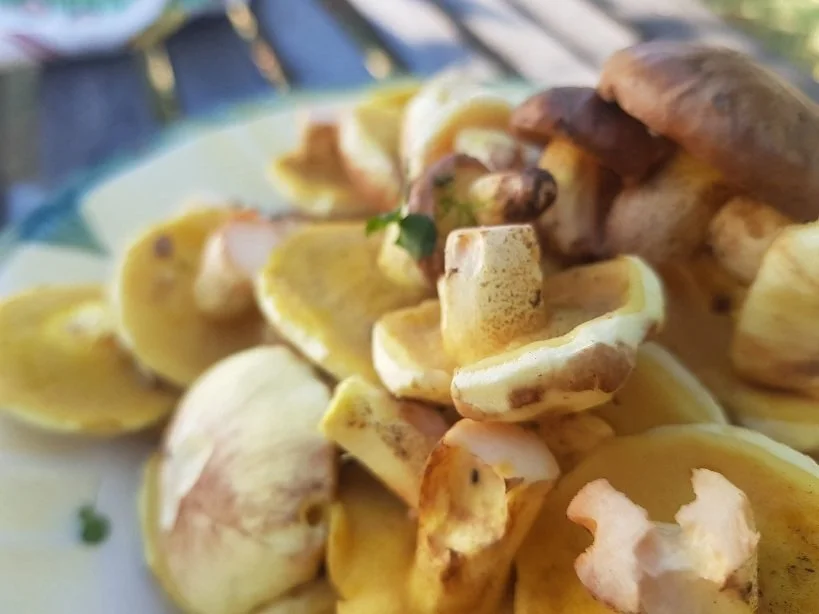
🍄 Slippery Jack — Suillus species
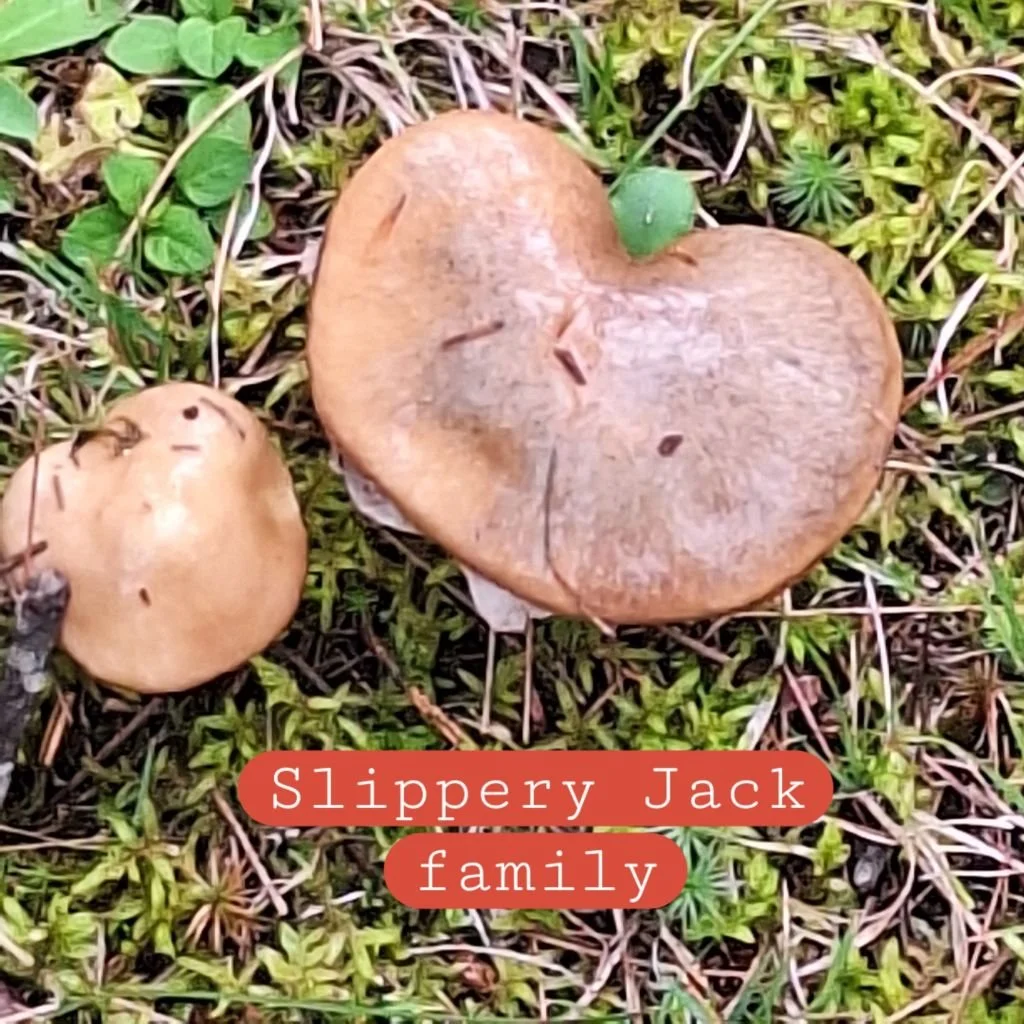
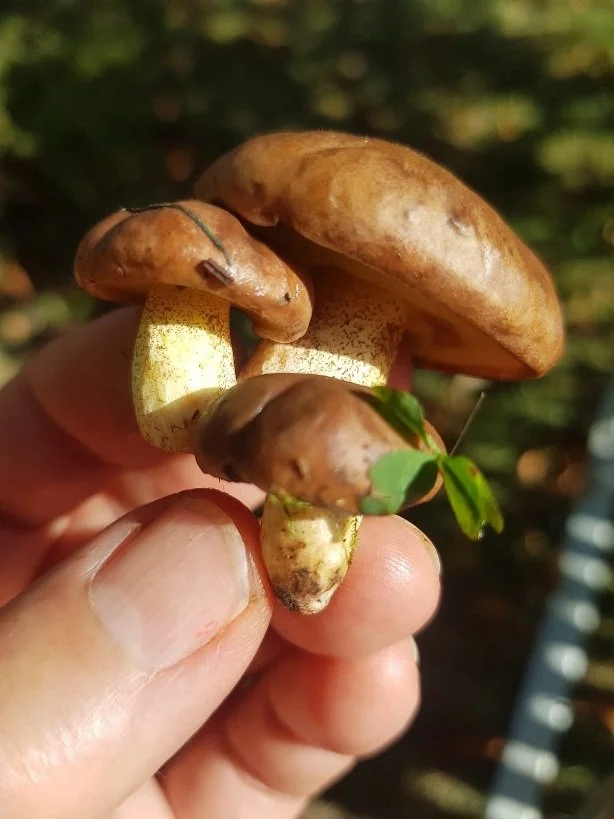
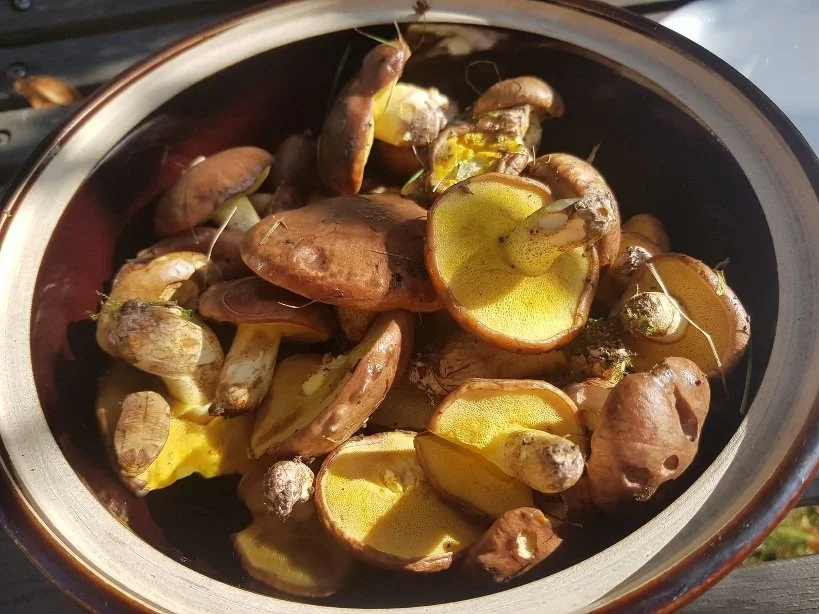
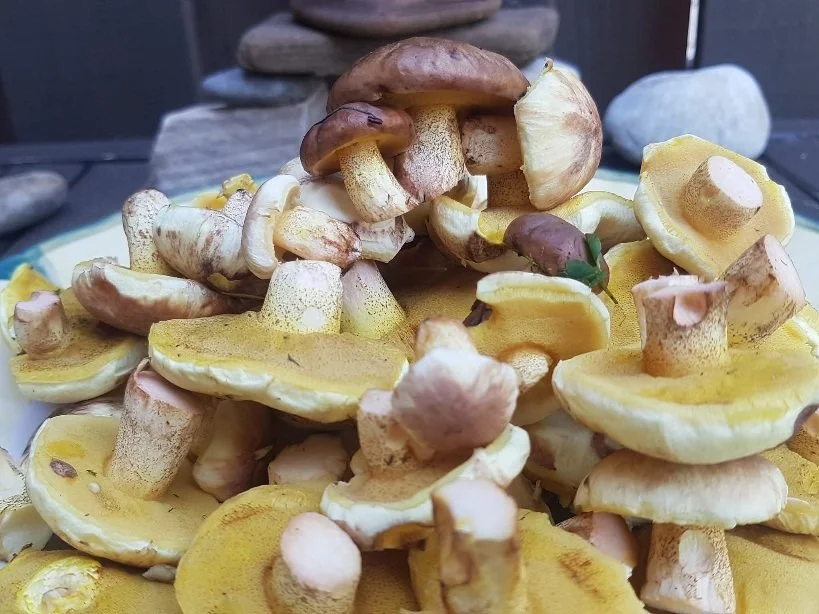
Slippery Jack is another fascinating mushroom associated with Ontario's coniferous forests. The name refers to mushrooms in the Suillus group, many of which are associated with pine trees. The slippery jack is quite common to find even in cities like Toronto or Mississauga. While walking to the community centre, I came across plenty of those delicious mushrooms growing along the path.
As the name suggests, the cap can become distinctly sticky or slippery, particularly in damp weather. Their appearance can vary considerably with age and growing conditions, making the mushrooms an interesting subject for anyone curious about the diversity of fungi in Ontario's forests.
When properly identified as an edible species and suitably prepared, Slippery Jacks can be a useful culinary mushroom. Their earthy flavour works well in simple sautéed dishes, soups and sauces.
As always with wild mushrooms, the common name “Slippery Jack” should not be considered an identification by itself. Different Suillus species can have different culinary qualities, and identification should be confirmed using multiple characteristics and, when consumption is being considered, independently verified by someone with appropriate expertise.
💙 Indigo Milky Cap — Lactarius indigo
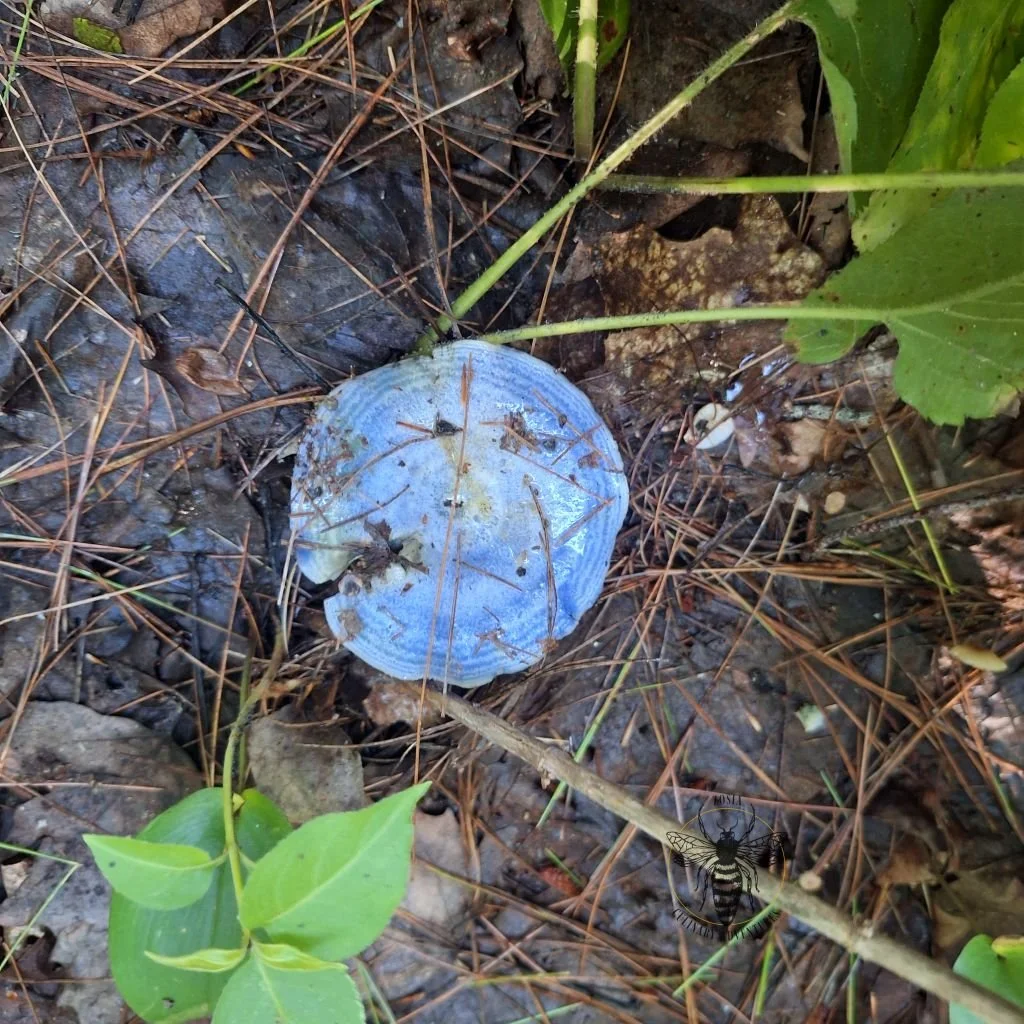
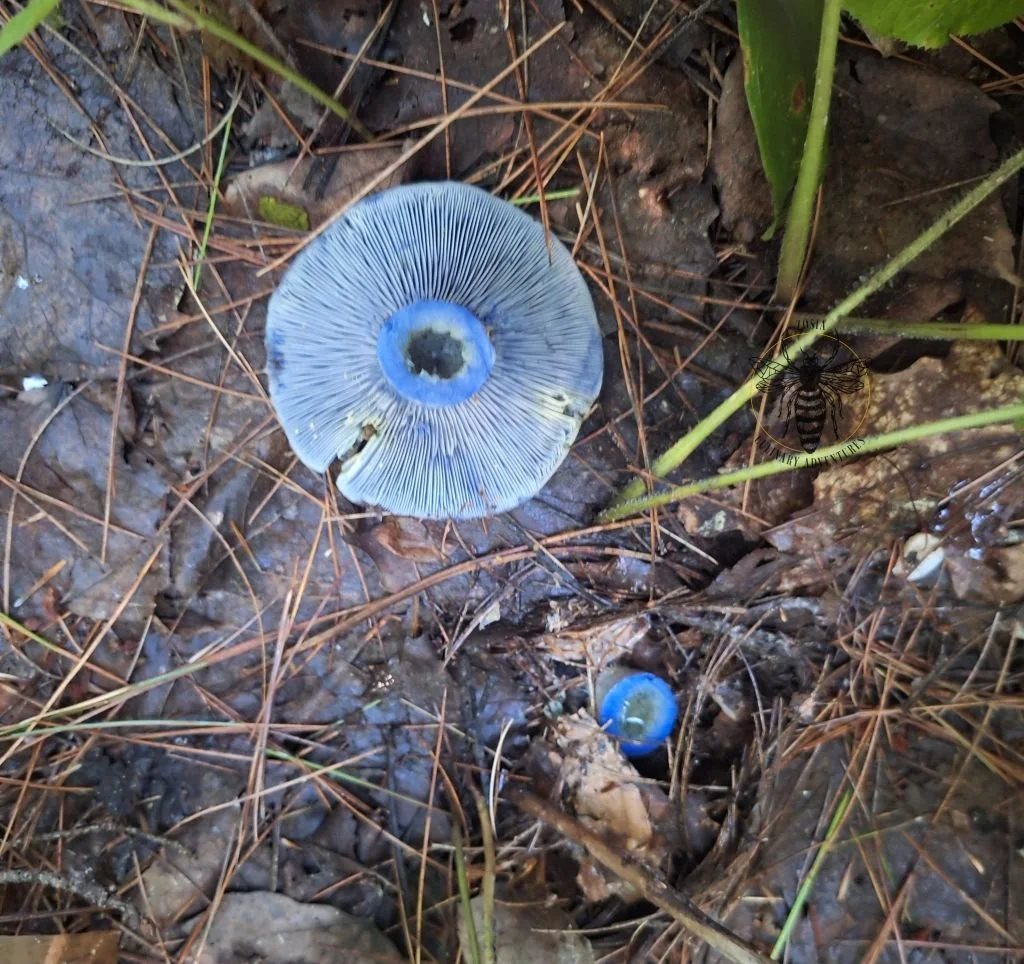
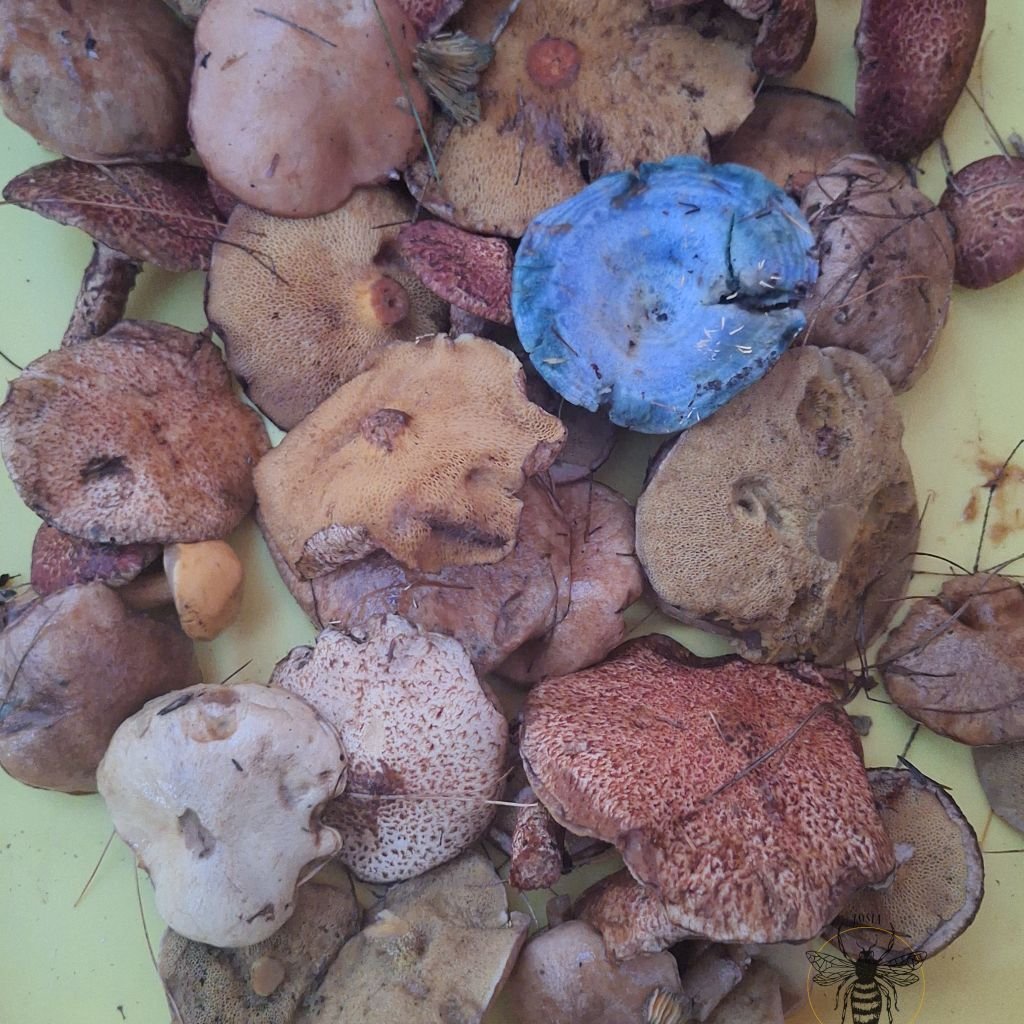
One of the most unforgettable mushrooms I've encountered is the Indigo Milky Cap. Its intense blue colouring can seem almost unreal when you first come across it on the forest floor. The colour ranges from deep indigo and blue to blue-green as the mushroom matures, making it one of the most visually distinctive fungi in Ontario.
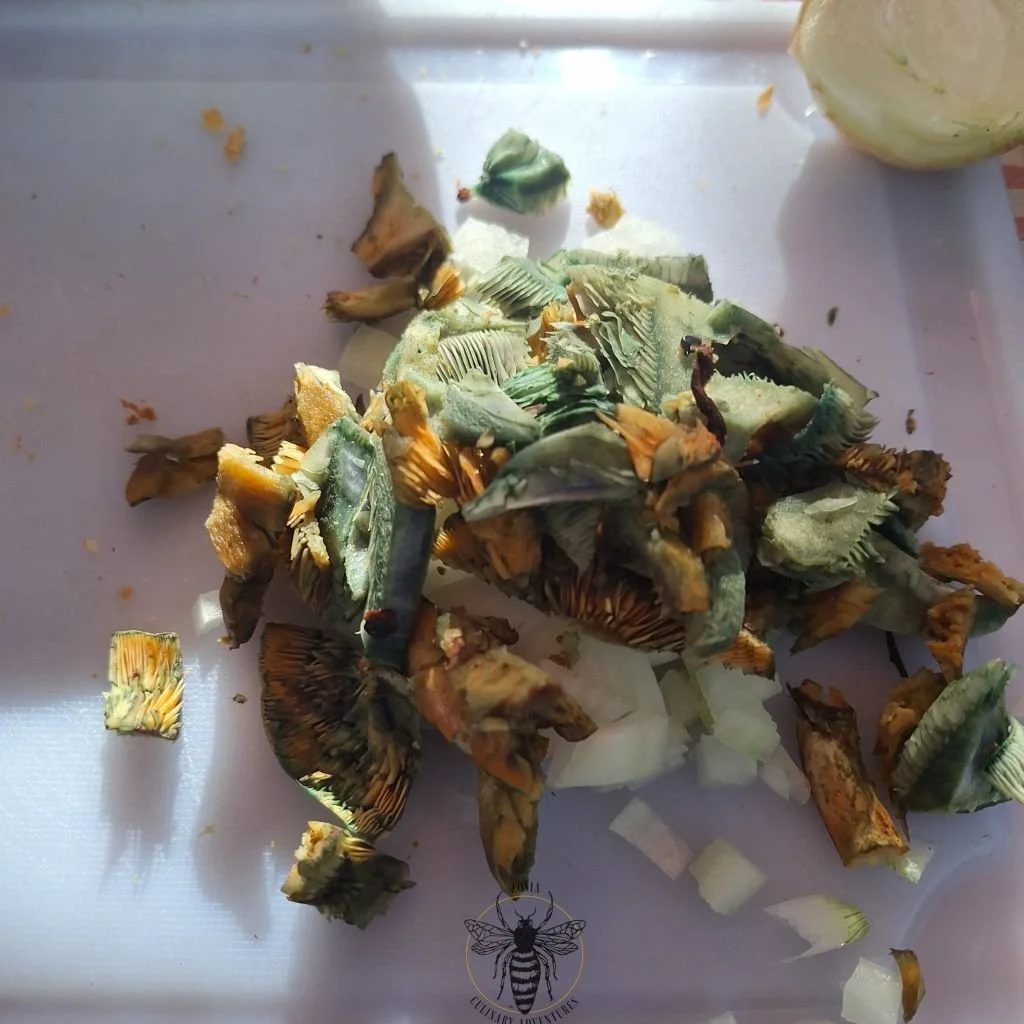
What makes it even more fascinating is what happens when the mushroom is cut or damaged: it can release a blue to blue-green latex, adding another remarkable feature to an already unusual mushroom.
Indigo Milk Caps are associated with forest trees and form mycorrhizal relationships with their hosts. They can appear during the warmer, wetter part of the mushroom season, although their timing and abundance vary considerably with weather and habitat.
From a culinary perspective, Lactarius indigo is considered edible in some sources and regions when properly identified and cooked, but I would not treat the common name, colour or photographs as sufficient evidence for consumption. As with every wild mushroom discussed in this article, any specimen intended for the table should be independently verified by someone with appropriate expertise.
For me, however, the real attraction of the Indigo Milk Cap is its extraordinary colour. Some mushrooms are memorable because of their flavour; this one is memorable simply because it looks as though someone painted the forest floor blue.
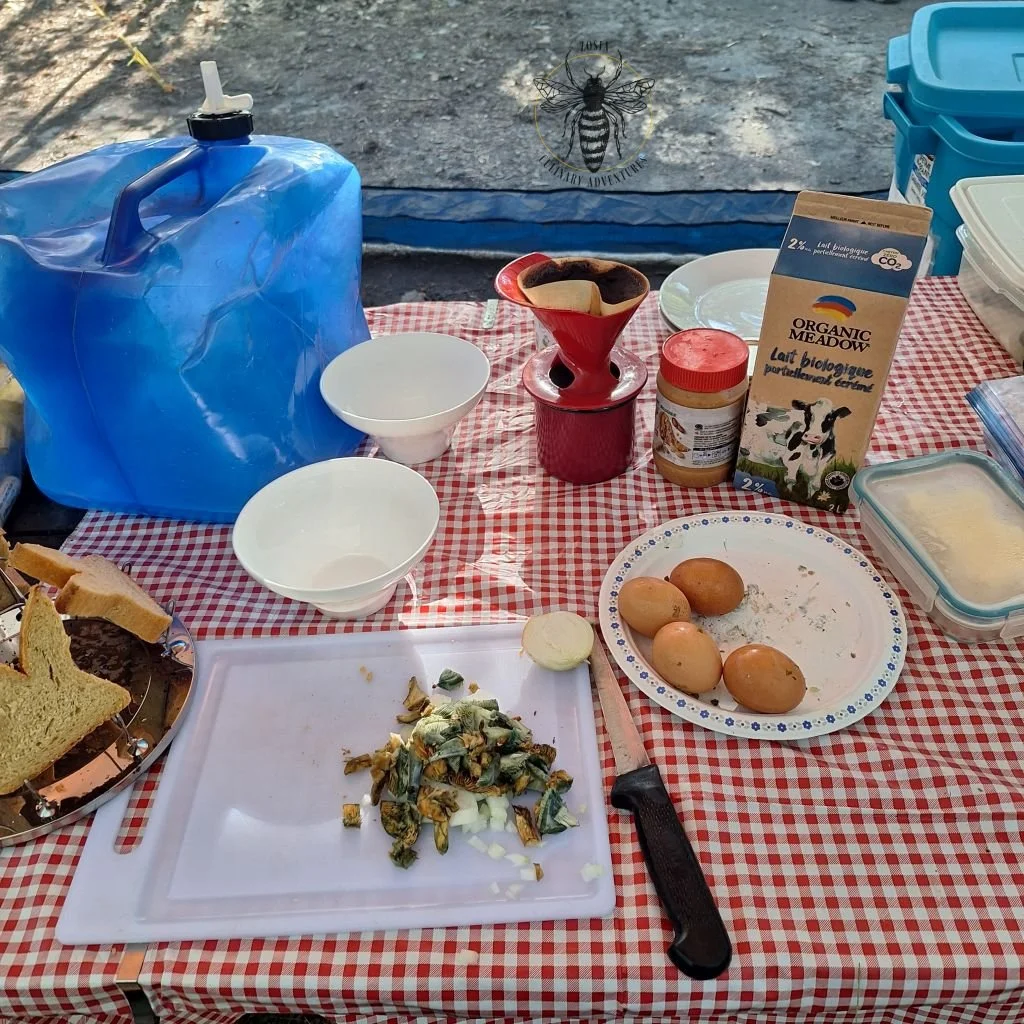
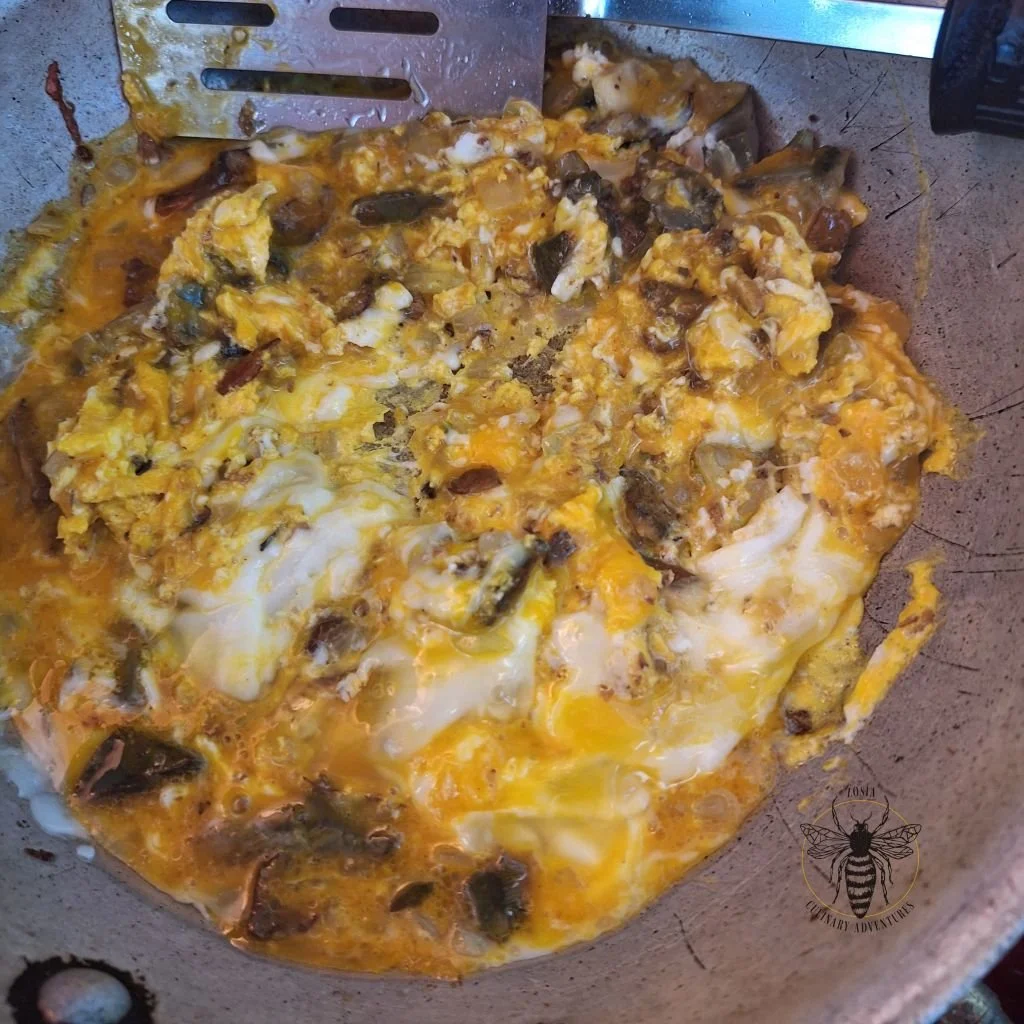
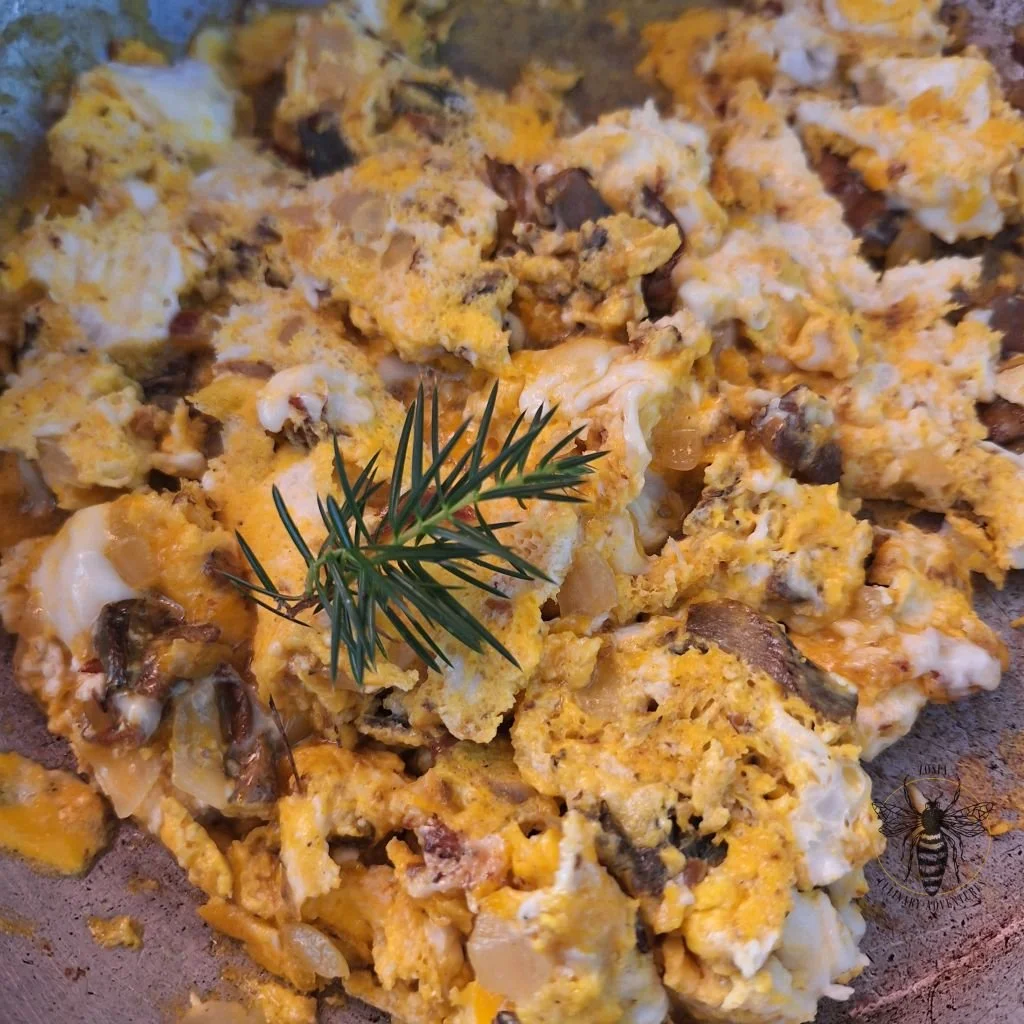
For me, this was the very first time I found Indigo Milky Cap or also called Blue Milk, and it proved to be incredibly tasty. We enjoyed it for breakfast while camping, savoring every bite. I sautéed it for 5–10 minutes in butter, or bacon fat, then added a few finely chopped shallots and eggs, creating a perfectly indulgent scrambled-egg feast.

🍄 Saffron Milk Cap (Lactarius deliciosus)
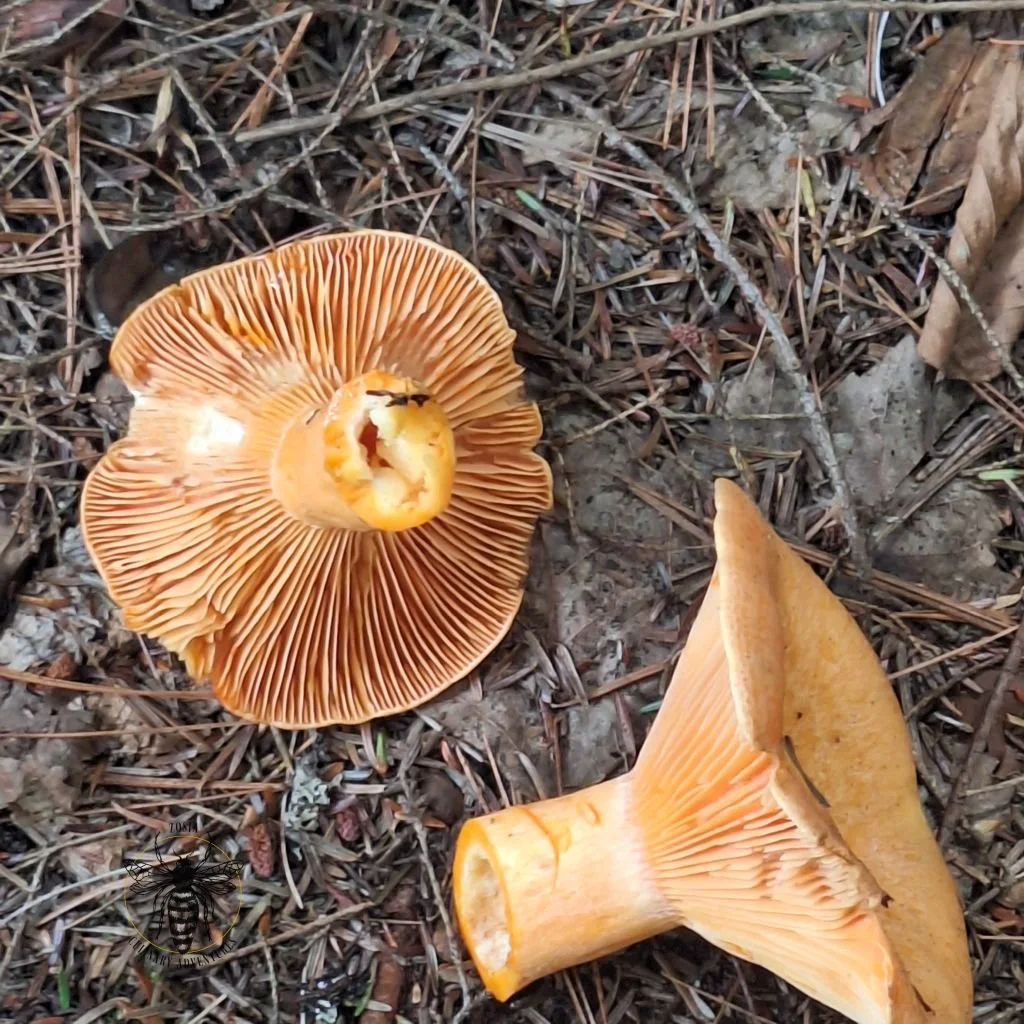
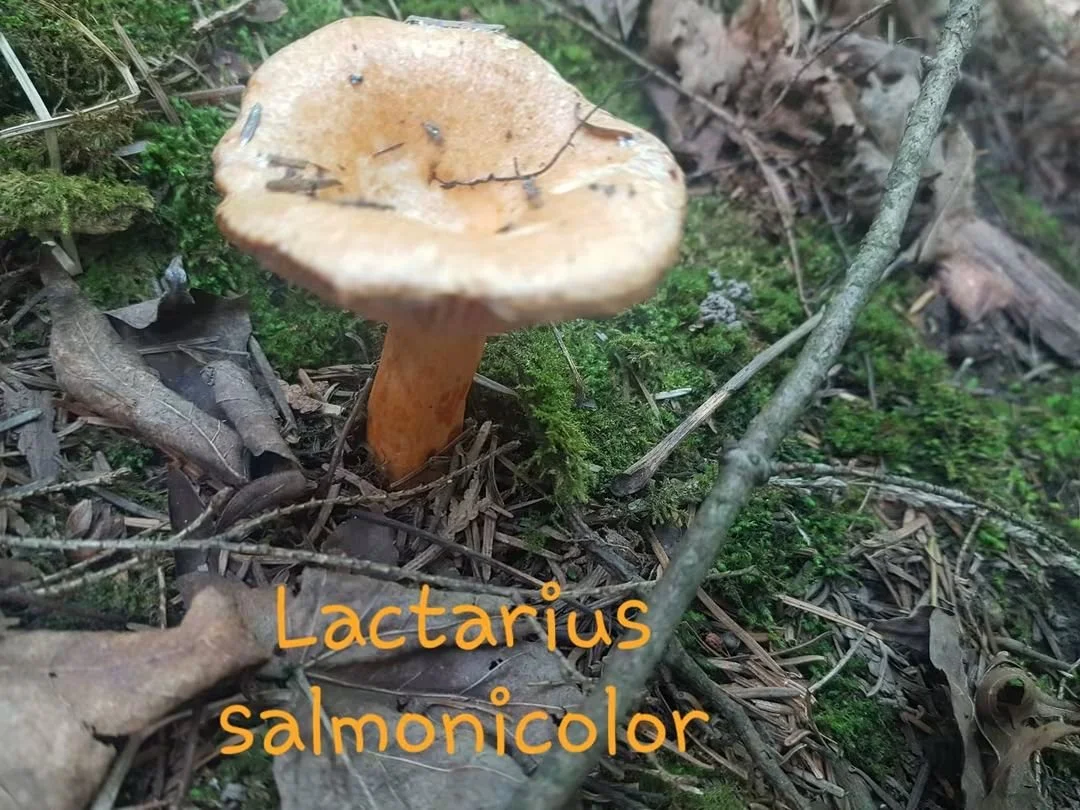
Saffron milk caps can be recognized by their orange to reddish-orange coloring, tightly spaced gills, and orange latex that may turn greenish as the mushroom ages or is handled. However, several closely related milk cap species can look very similar, including other Lactarius species found in association with conifers. Careful identification should consider the mushroom’s habitat, cap and gill characteristics, latex color, and staining reactions.
In the kitchen, saffron milk caps are excellent sautéed, grilled, roasted, or preserved by pickling. They pair especially well with garlic, herbs, butter, olive oil, and other autumn vegetables. They can also be added to pasta, risotto, soups, or served simply as a flavorful side dish.
⚠️ Safety note: Never consume a wild mushroom based solely on appearance or a photograph. If you are not completely certain of the identification, have the specimen examined by an experienced local mushroom expert before eating.
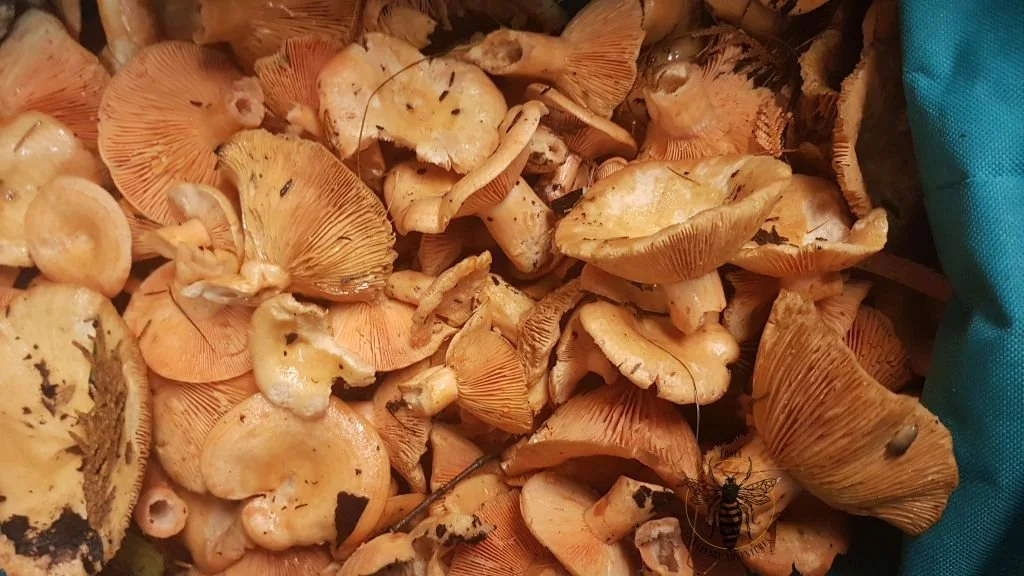
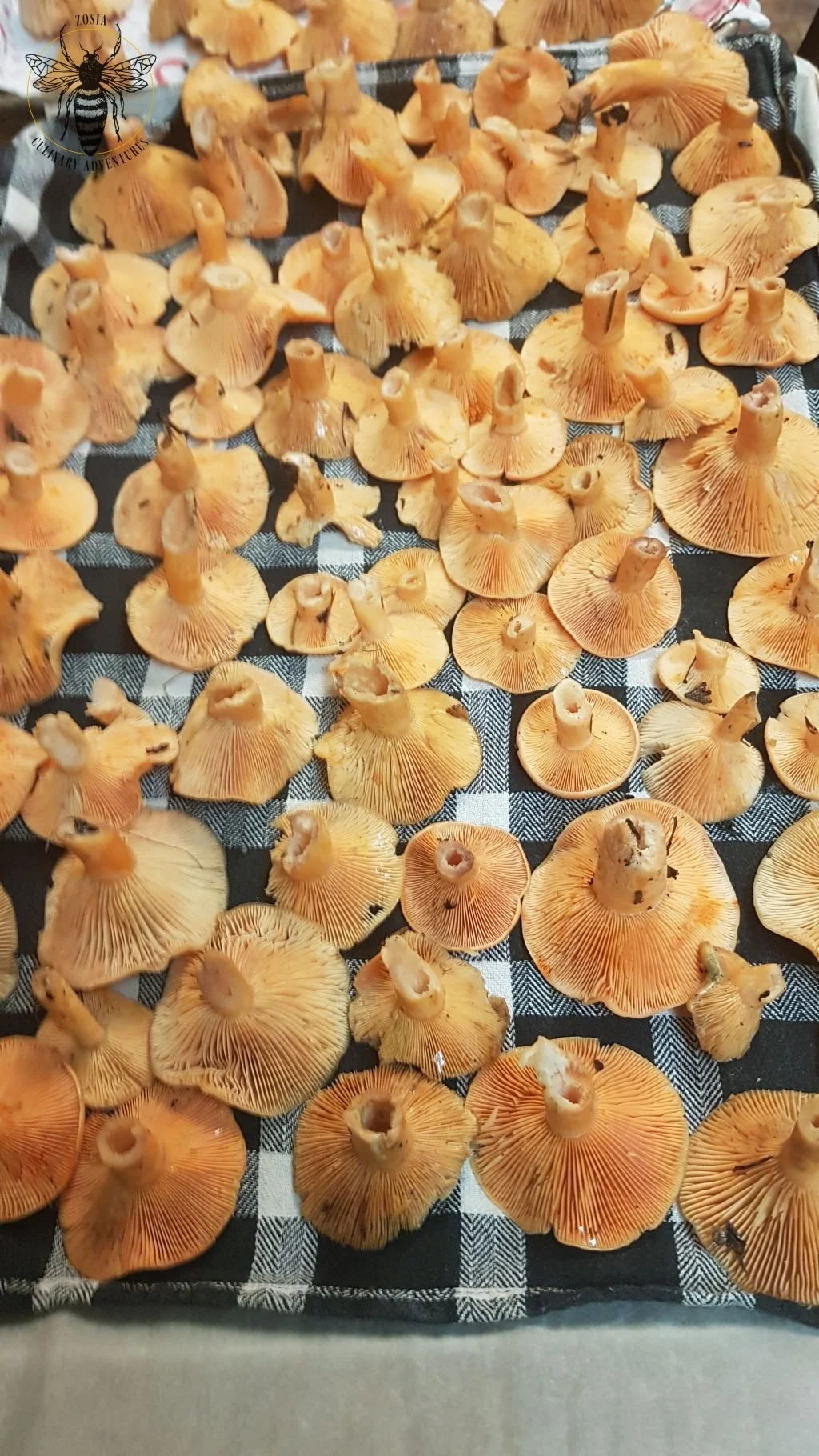
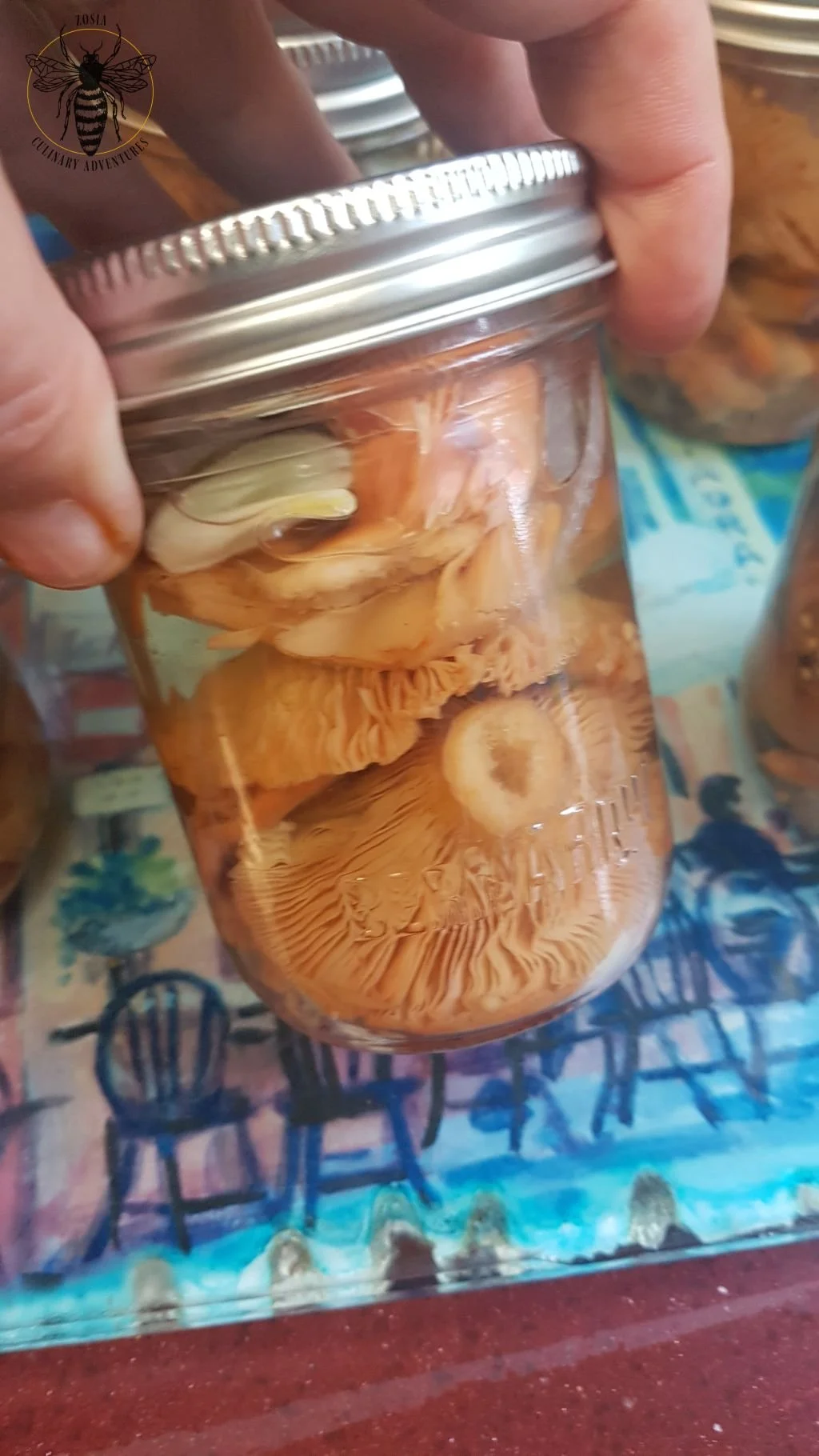
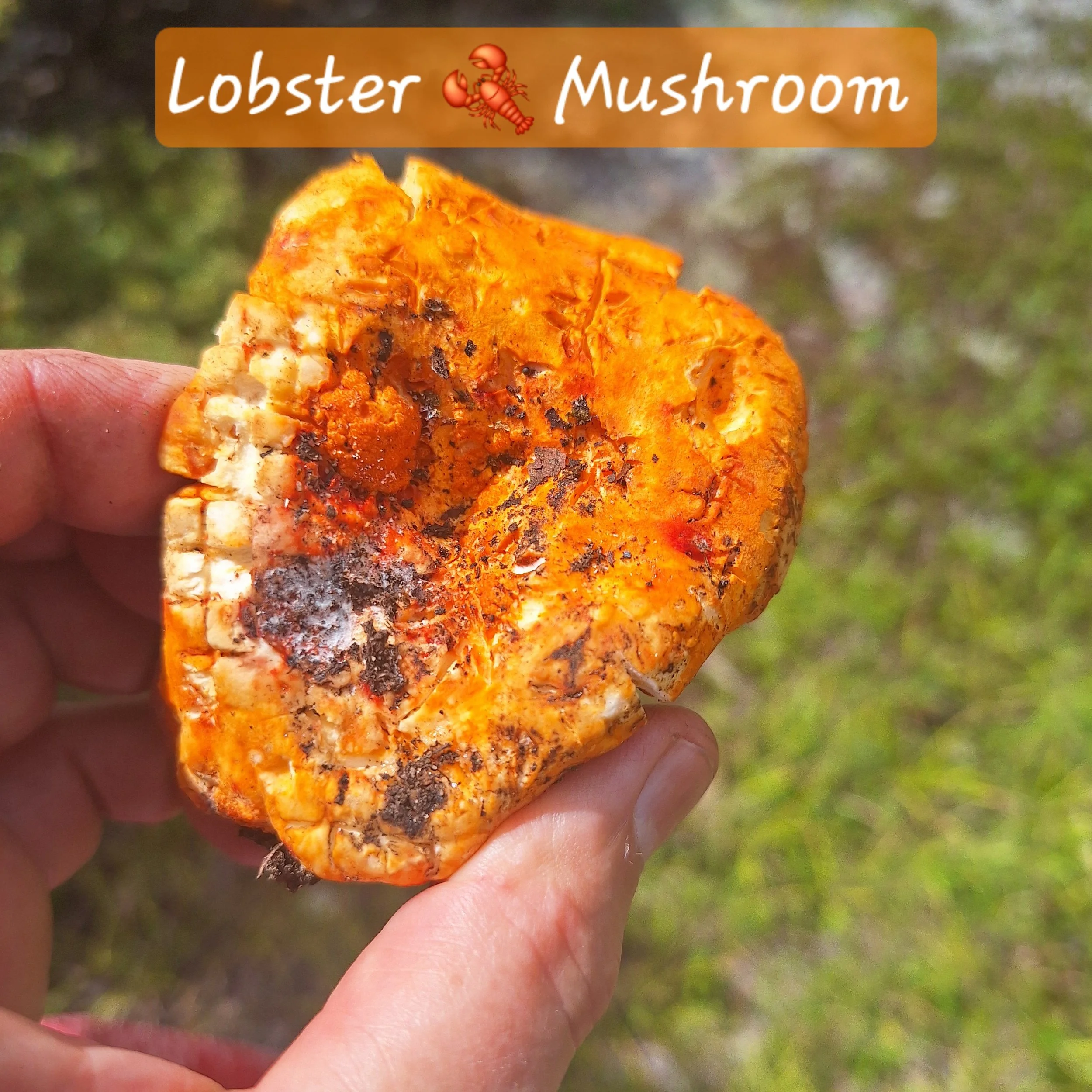
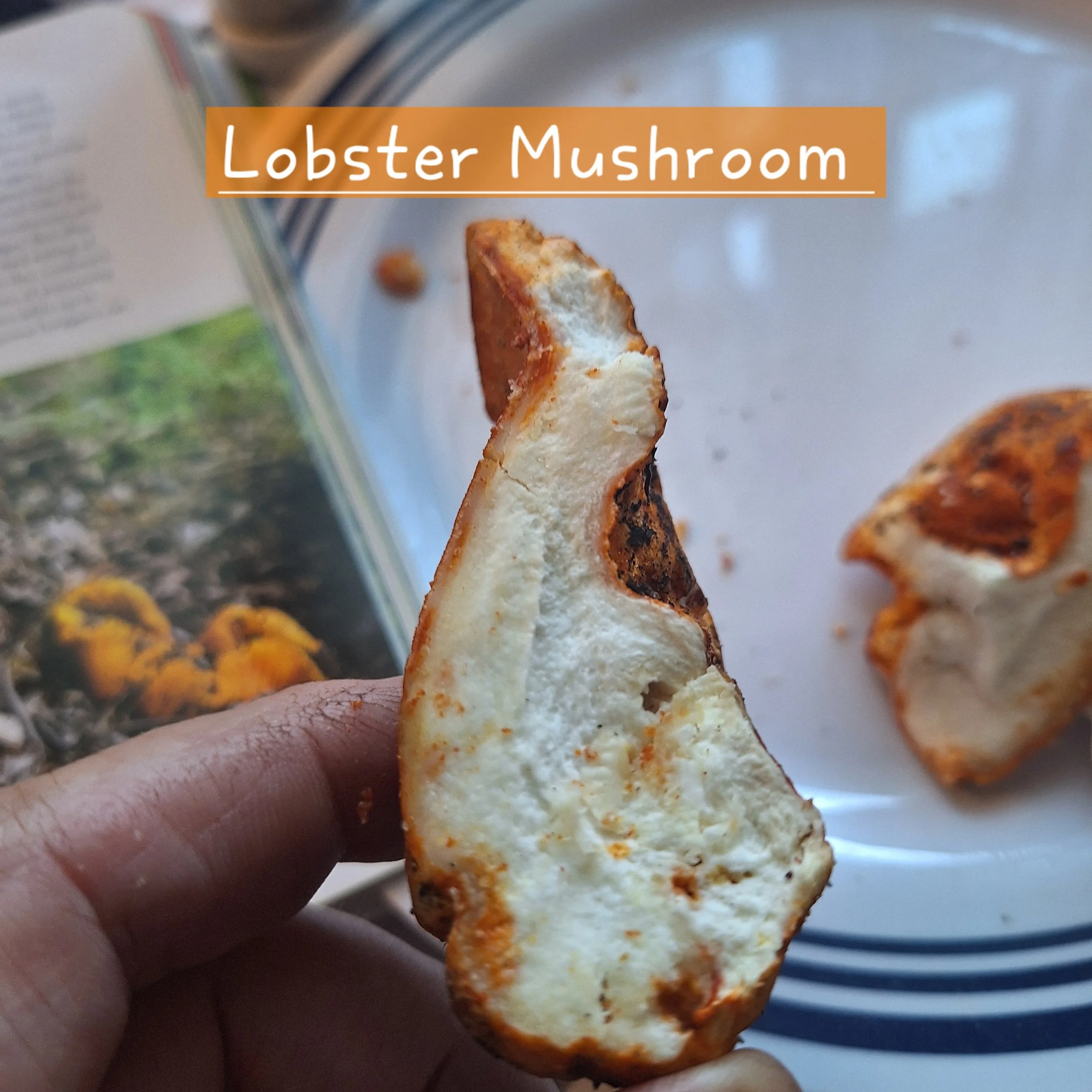
🍄 Lobster Mushrooms — Hypomyces lactifluorum
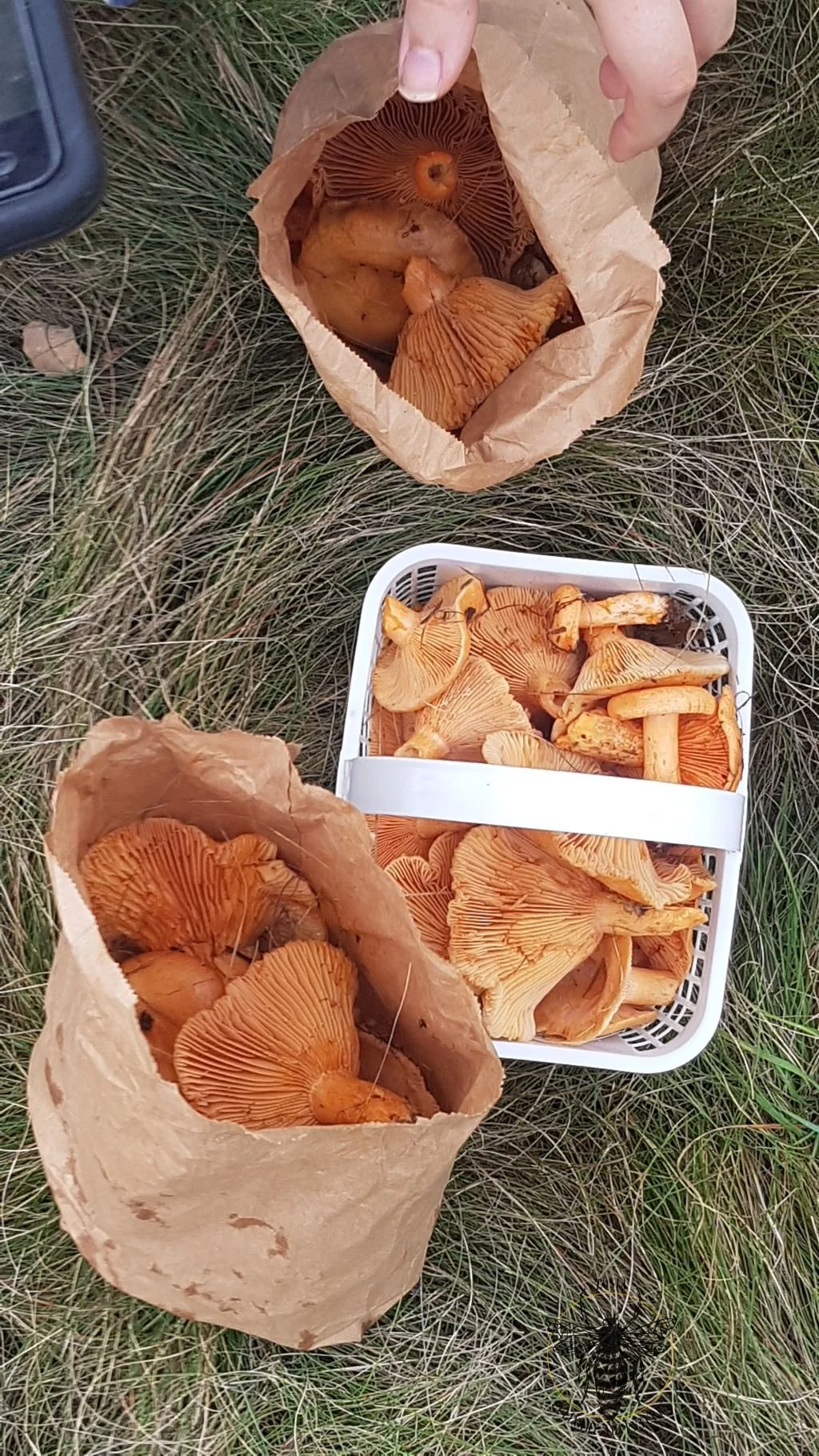
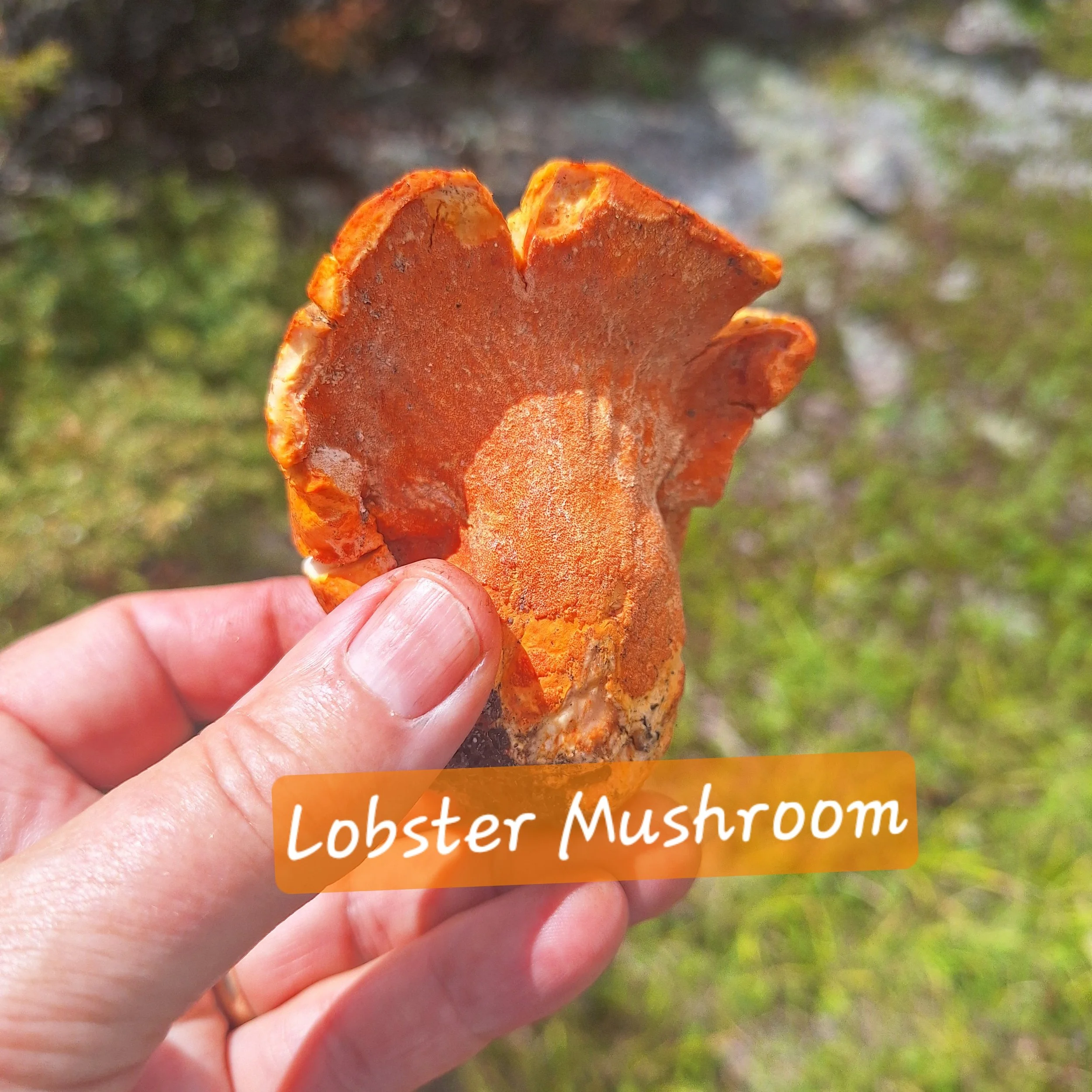
Lobster mushrooms are among the more unusual and fascinating members of the wild-mushroom world. I first heard about them during a visit to a charming mushroom shop in Montreal called Mycoboutique — a family-owned business in Montréal’s Plateau-Mont-Royal on Saint-Denis — where I bought some exceptionally delicious dried lobster mushrooms. From that moment I knew I definitely had to seek them out on my hikes in the woods, determined to find and taste them fresh whenever the season allowed.
They aren't actually a mushroom species in the conventional sense. Instead, Hypomyces lactifluorum is a parasitic fungus that colonizes another mushroom, transforming its appearance into a vivid reddish-orange form.
The result is one of the most visually dramatic fungi you can encounter.
What makes lobster mushrooms particularly interesting from a food perspective is their firm texture and distinctive savoury character. They are wonderful incorporated into dishes where their texture can really shine.
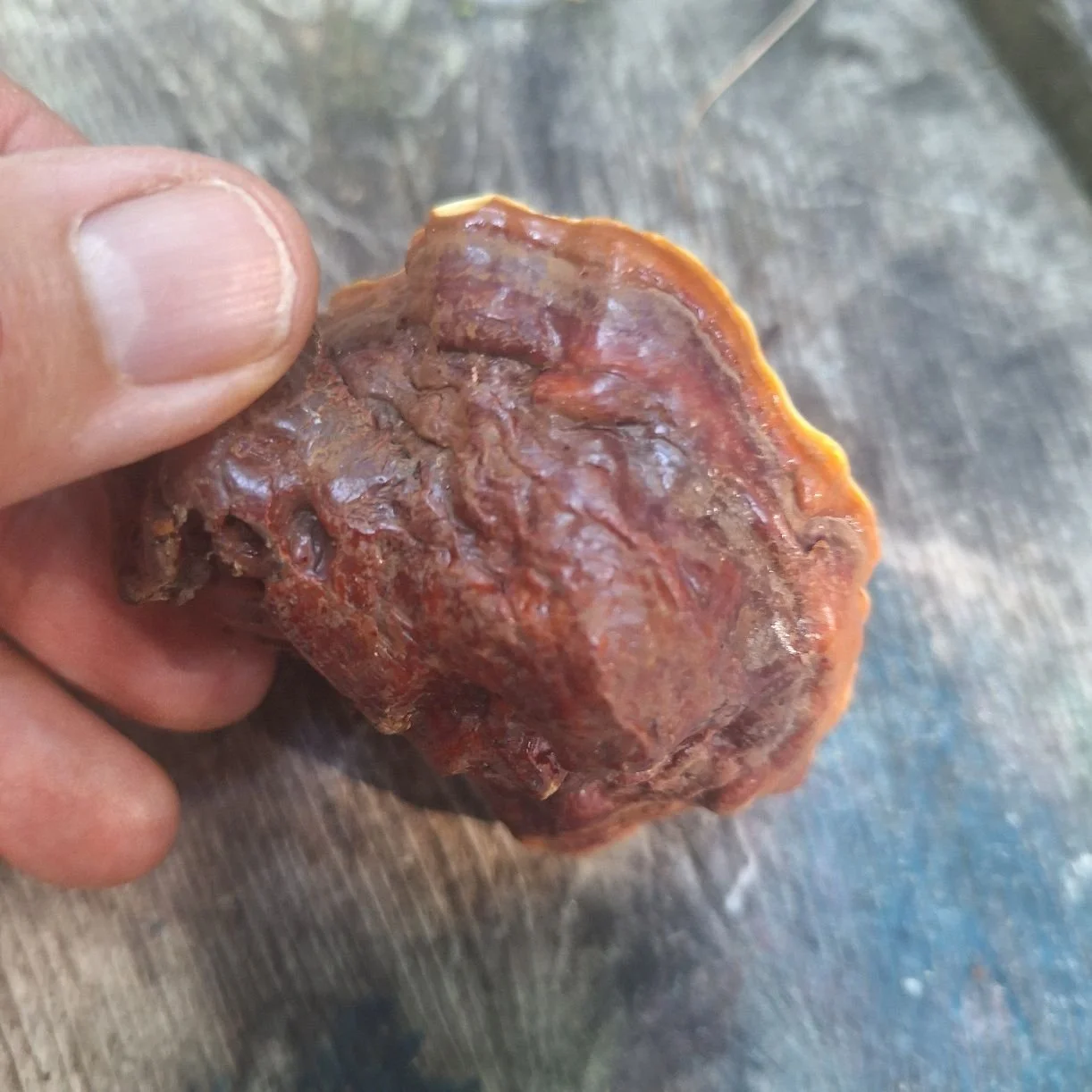
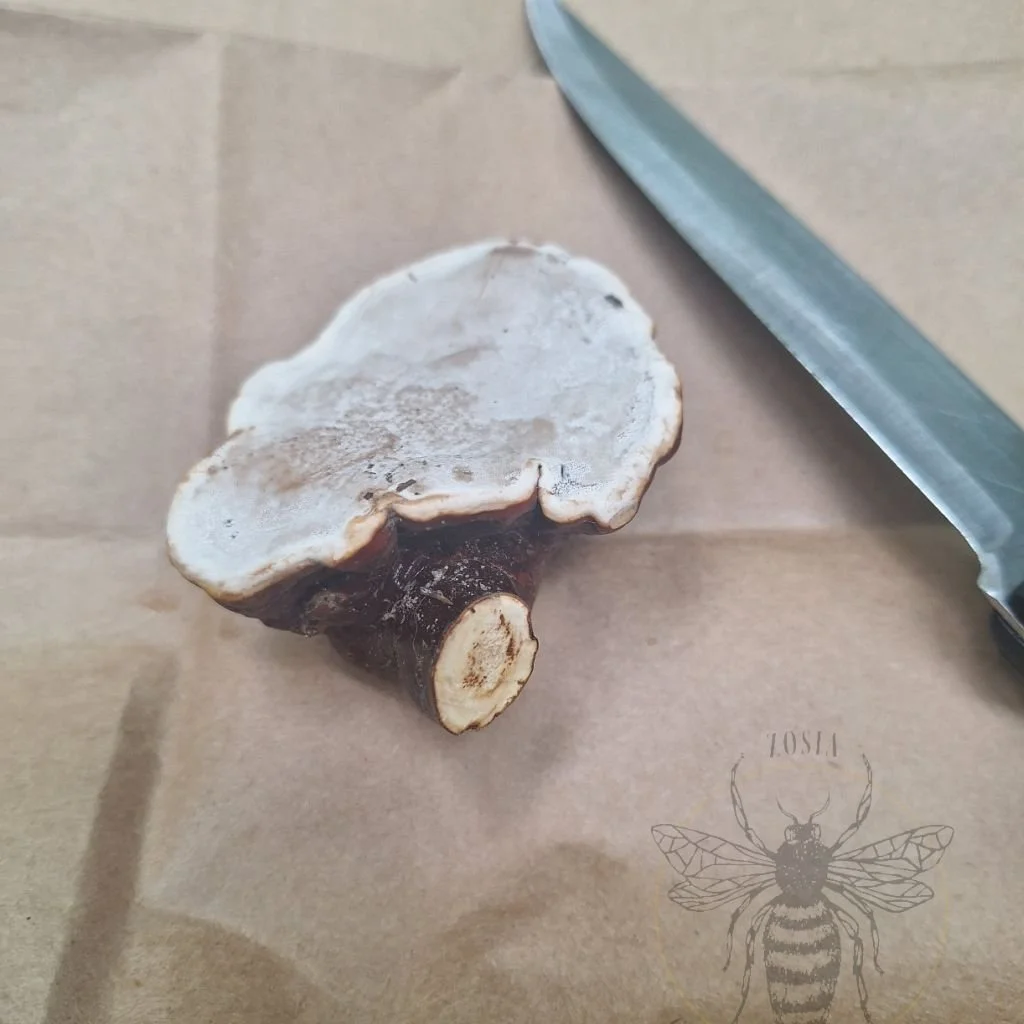
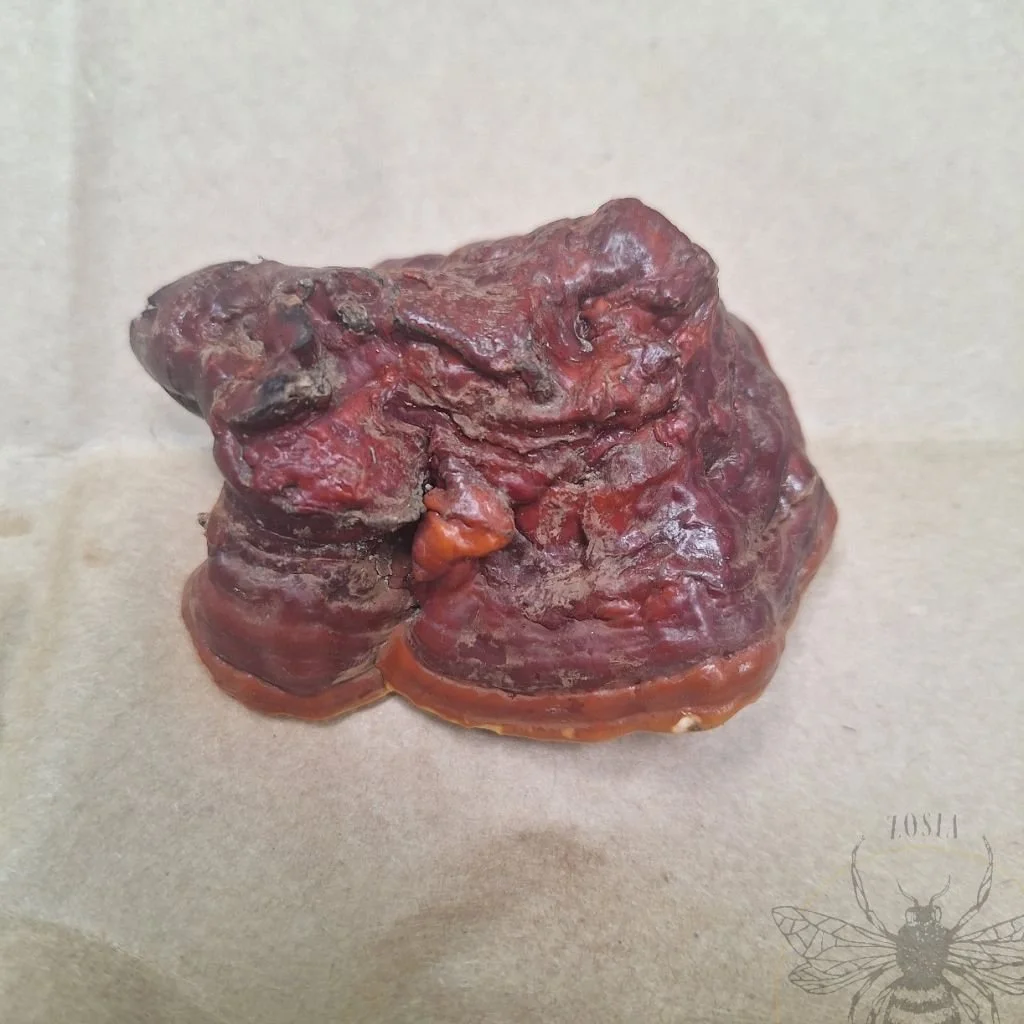
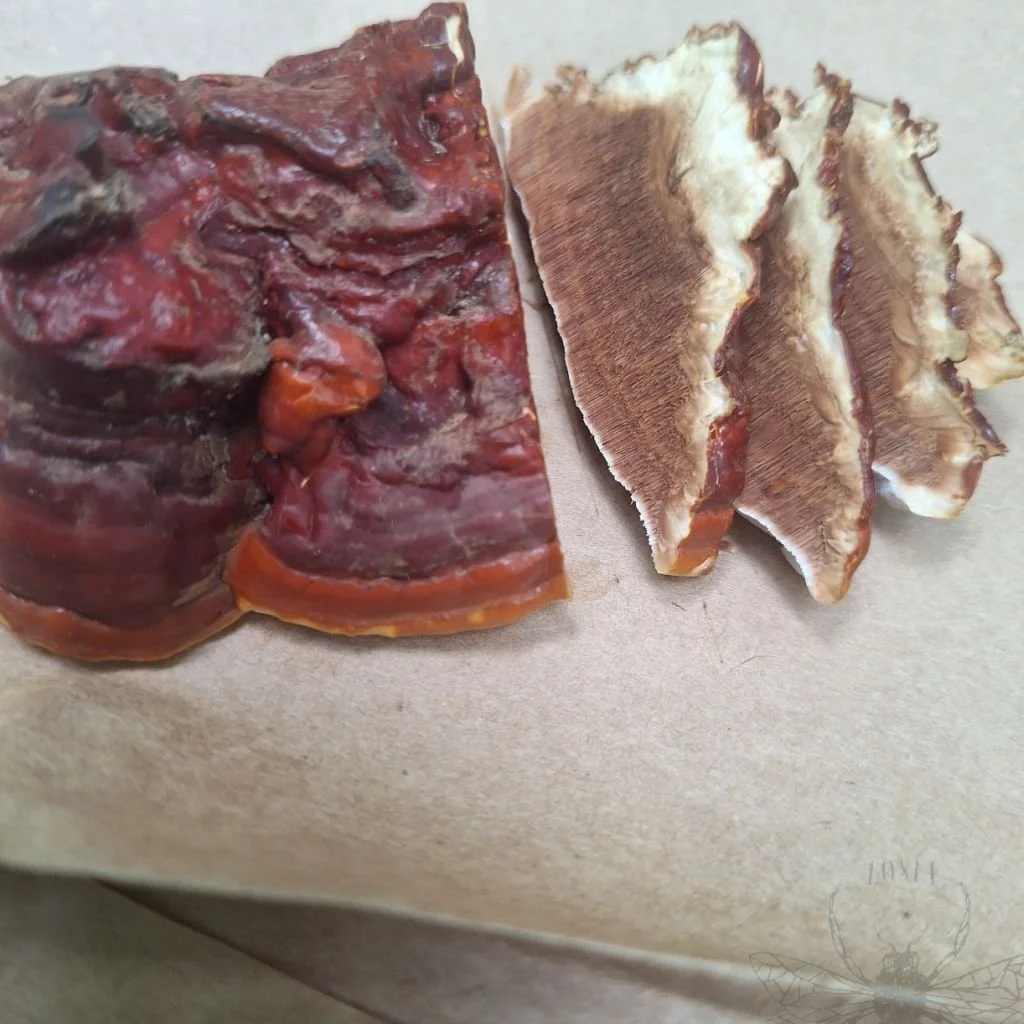
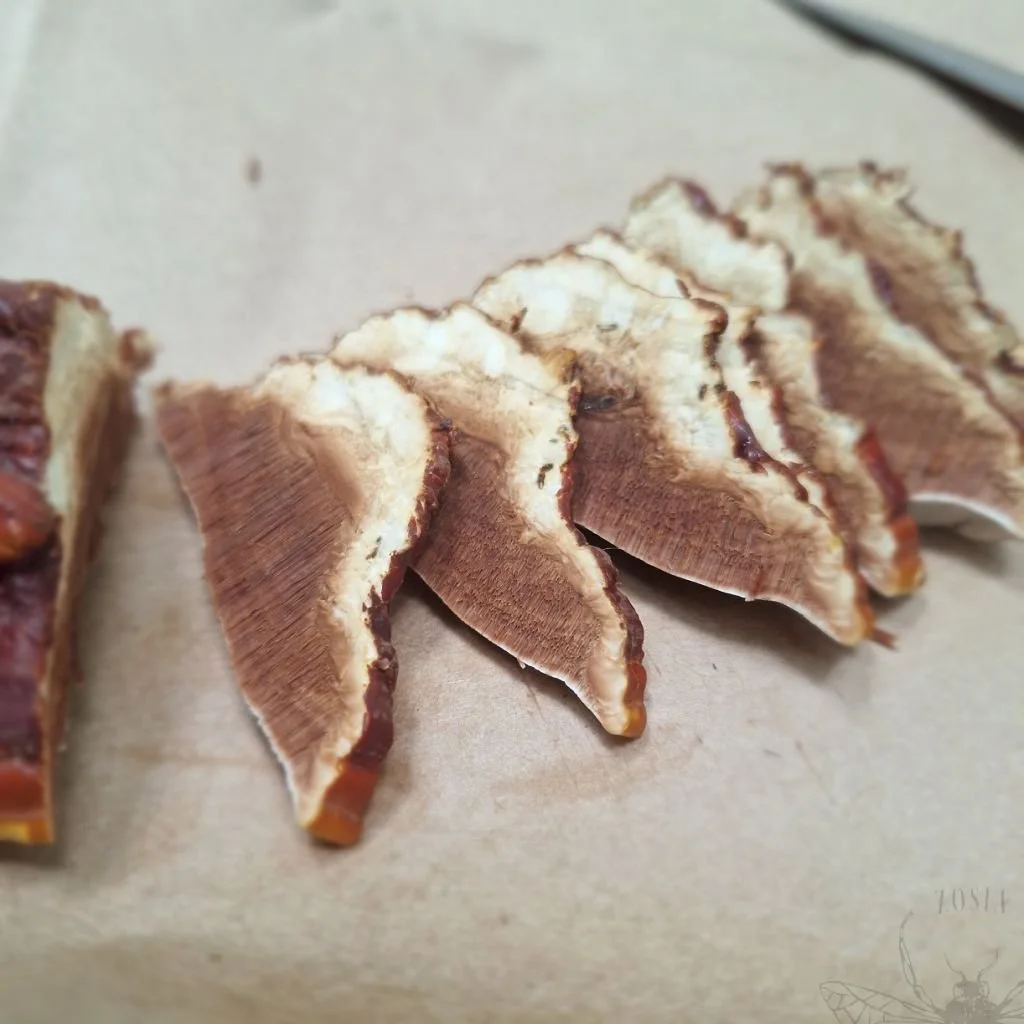
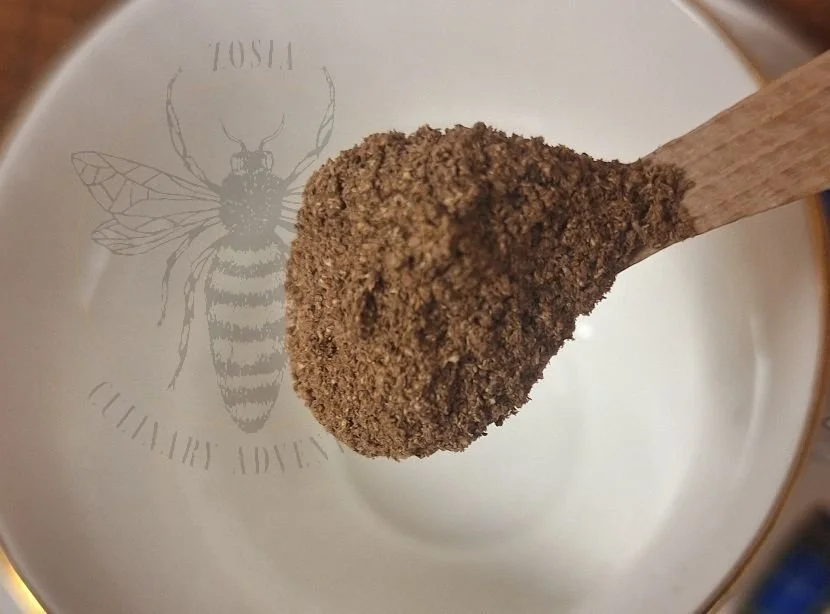
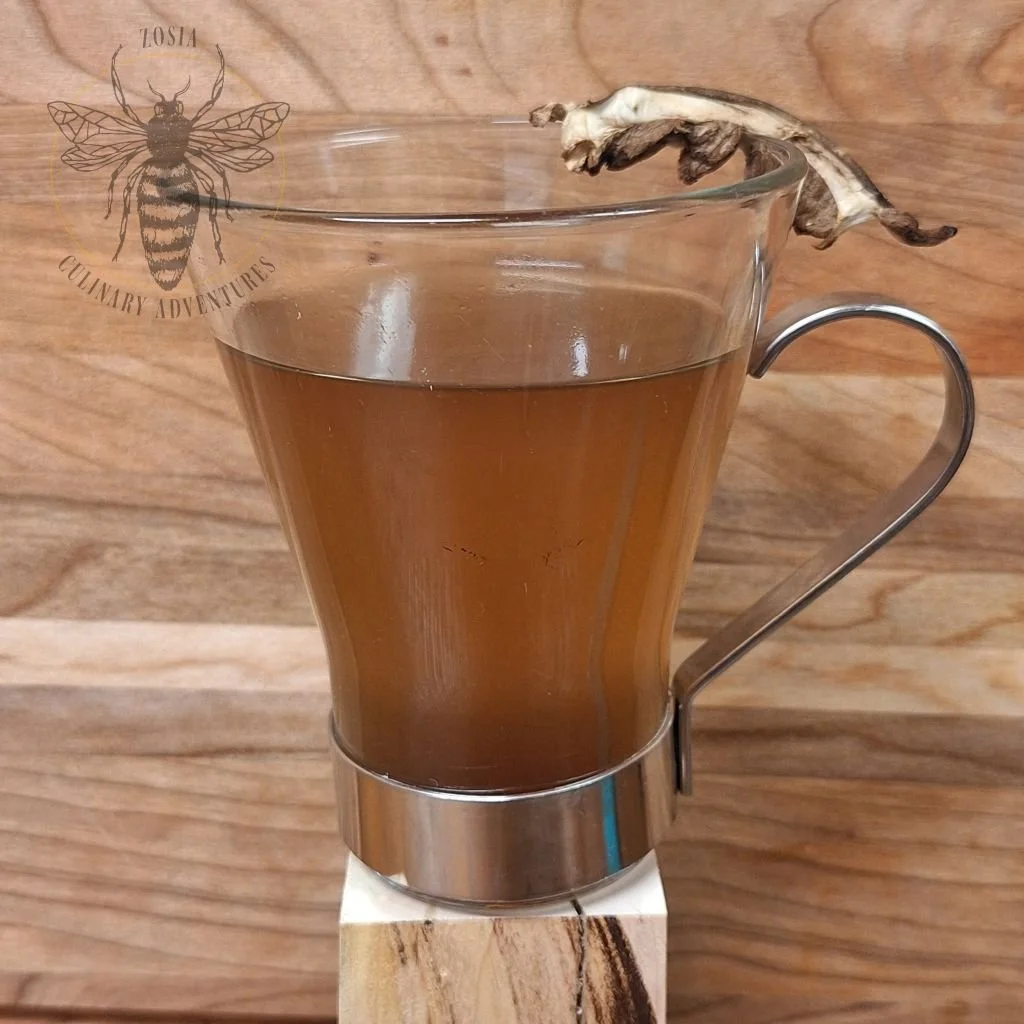
🍄🍁Reishi - Ganoderma species
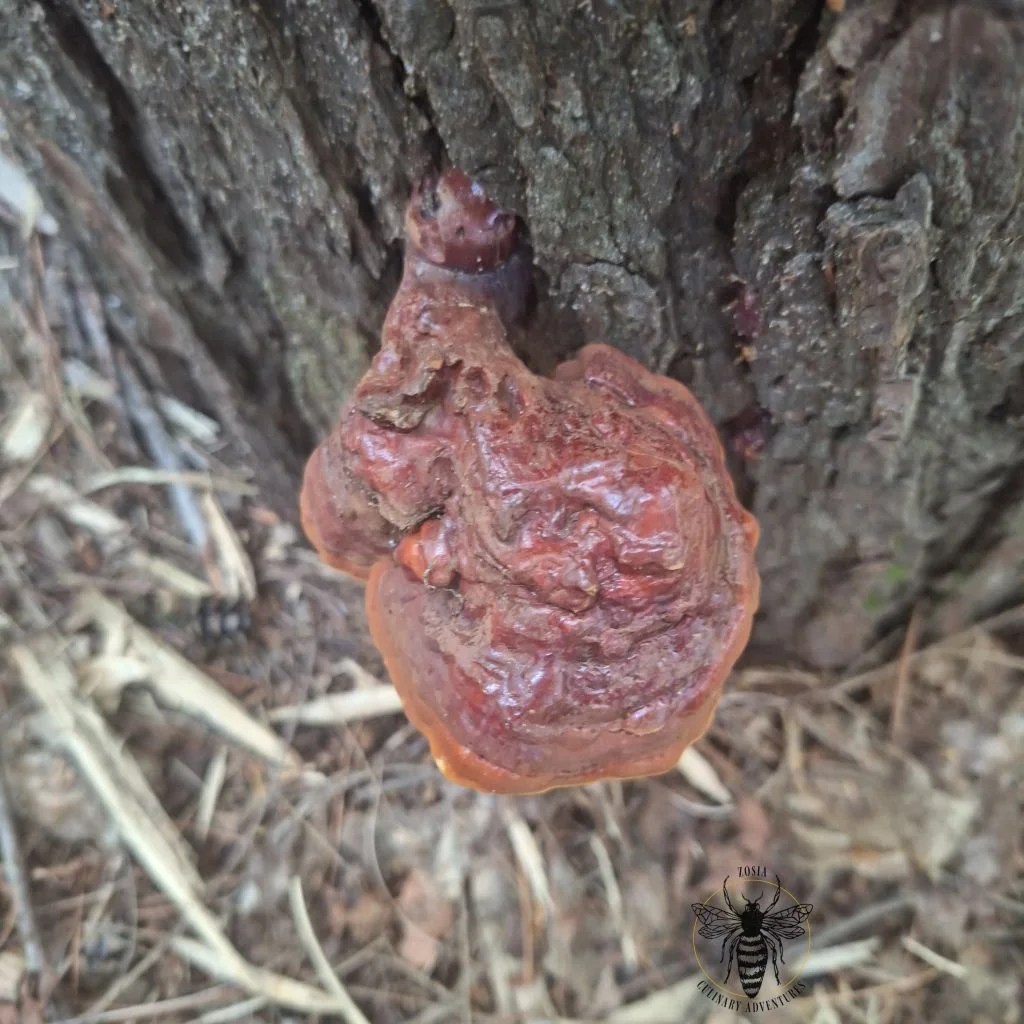
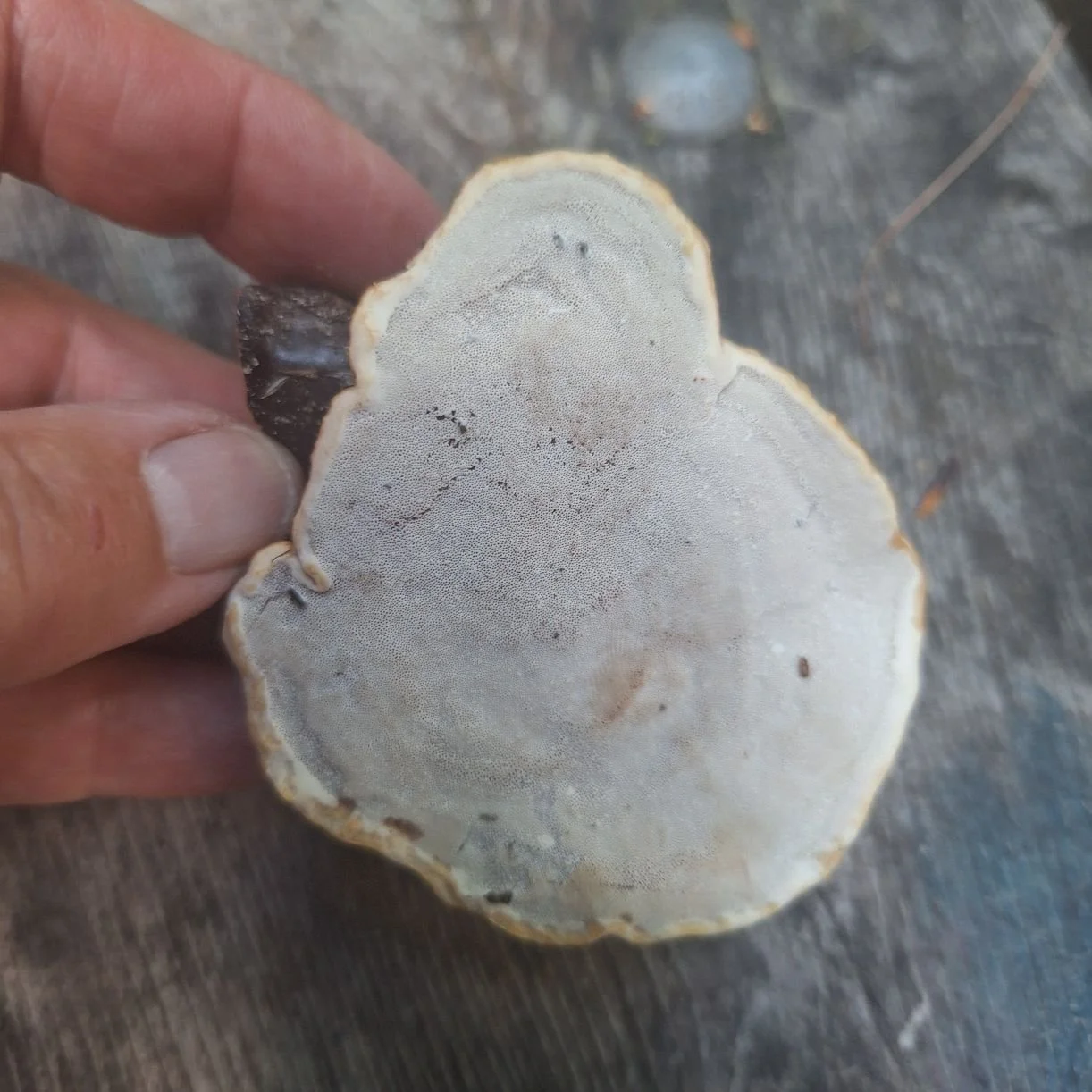
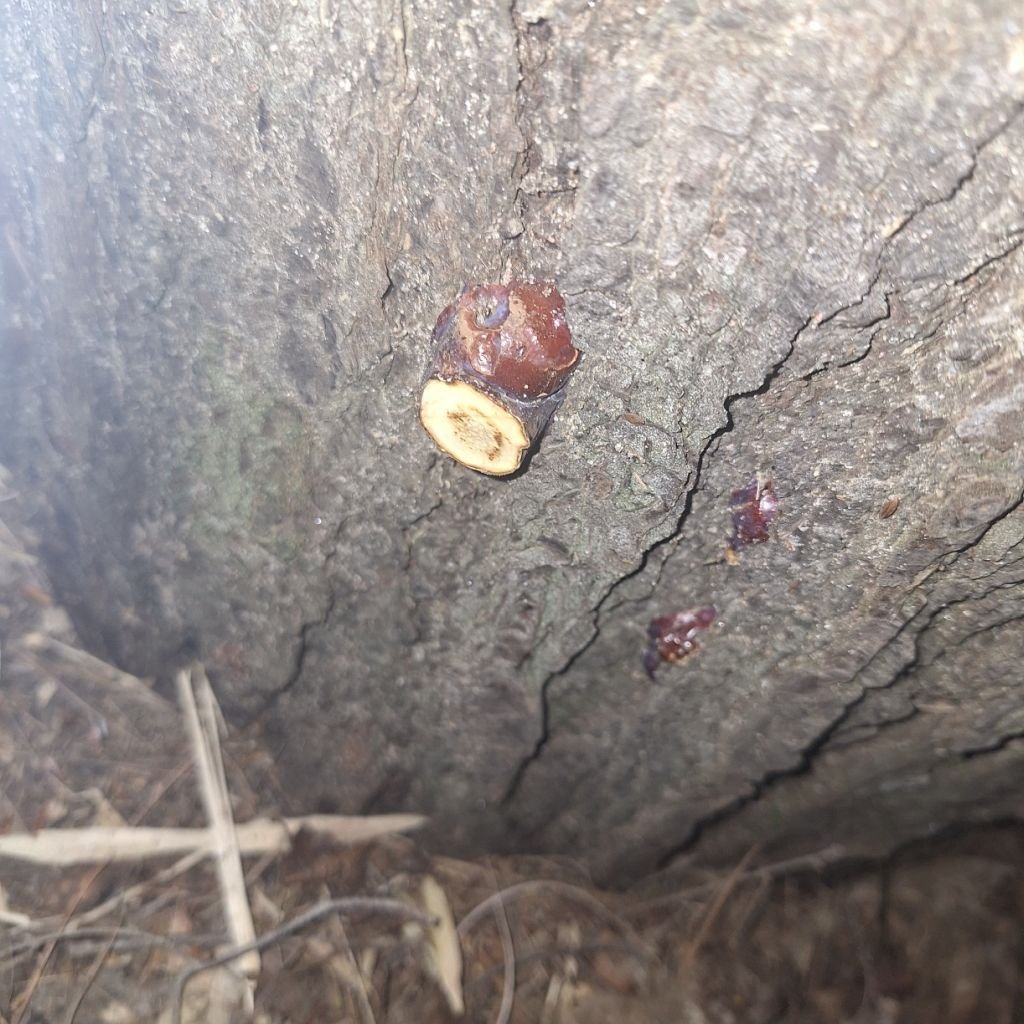
Here in Ontario, reishi and other Ganoderma mushrooms can be encountered during the warmer months, with fresh fruiting bodies often appearing from summer into early fall. They grow primarily on wood, and their tough, shelf-like fruiting bodies can remain visible well beyond the period when they first developed.
A Little Biology Behind Reishi
Reishi is a medicinal mushroom belonging to the genus Ganoderma, a group of fungi that grow on wood and decaying trees. One species commonly associated with reishi is Ganoderma lingzhi, while Ganoderma lucidum is also widely used in the literature and commercial products.
Biologically, reishi is a fungus rather than a plant. Like other fungi, it does not produce its own food through photosynthesis. Instead, it obtains nutrients from organic material in its environment. The visible mushroom, with its characteristic glossy cap, is the fruiting body of the fungus—the structure that produces and releases spores.
One interesting feature of reishi is its complex collection of naturally occurring compounds. These include polysaccharides, triterpenoids, proteins, and other secondary metabolites. Triterpenoids are partly responsible for reishi's characteristic bitter taste and are among the compounds researchers have studied in laboratory and clinical research.
The mushroom's biology is part of what makes it so fascinating to me. What looks like a simple mushroom represents an entire fungal organism with a complex life cycle and a remarkable chemistry. Learning about that biology has made me appreciate reishi not just as an ingredient, but as a fascinating example of the diversity of the fungal world.
🍂 Late Summer to AUTUMN (late August September – November): The Forest's Grand Finale
If spring is about anticipation and summer is about discovery, autumn feels like the great finale.
As the nights become cooler and the leaves begin to change, Ontario's forests take on a completely different atmosphere. This is also when some of the larger, more substantial mushrooms become especially memorable.
🍄 Hedgehog Mushroom — Hydnum species
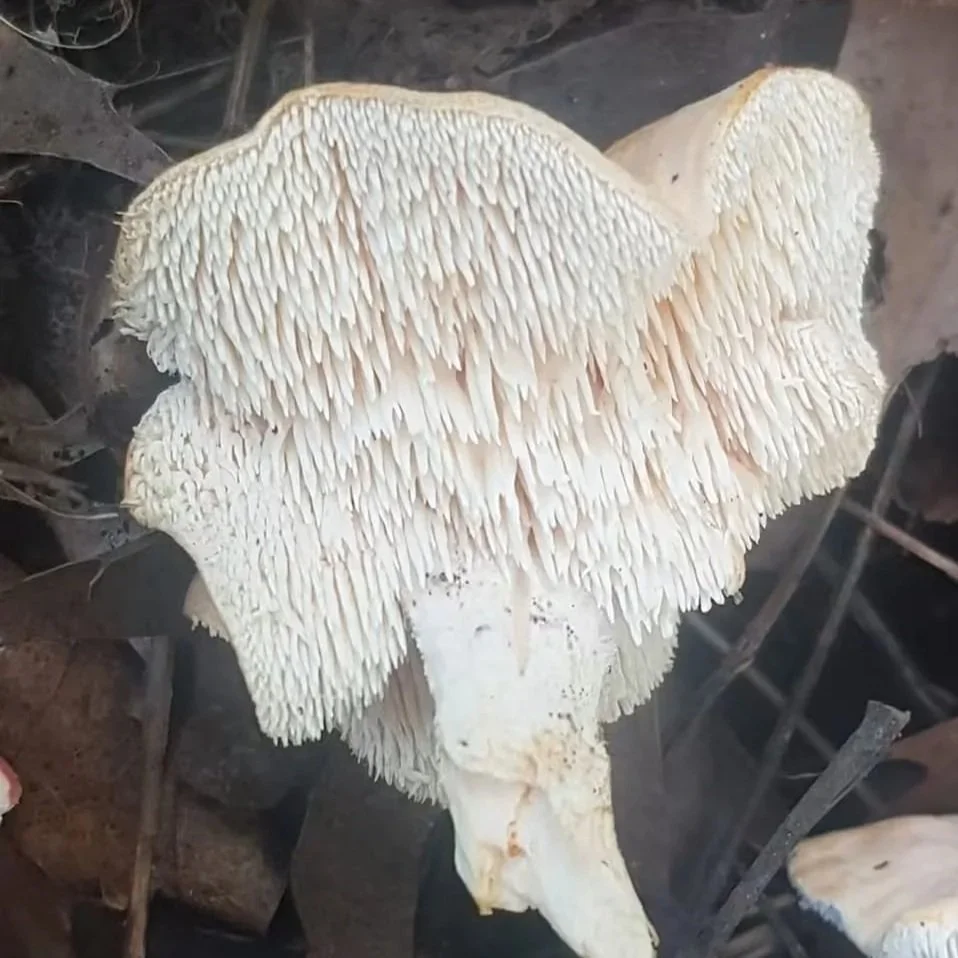
One of my favourite discoveries as the season moves toward autumn is the hedgehog mushroom. Unlike the familiar gilled mushrooms, hedgehogs have a wonderfully distinctive underside covered in tiny, tooth-like spines—almost as though someone turned the mushroom's gills upside down.
They tend to have a firm, meaty texture and a mild, pleasantly nutty flavour. Their appearance makes them particularly fascinating to encounter in the forest, while their texture makes them a lovely ingredient in the kitchen.
I especially enjoy them simply sautéed in butter, where their natural flavour comes through, or incorporated into pasta, risotto and autumn vegetable dishes. You can easily powder hedgehog mushrooms after drying them to add concentrated, earthy flavor to stocks and sauces.
As with every wild mushroom mentioned here, the photographs and descriptions in this article should not be used for identification. Only mushrooms that have been independently and confidently identified should ever be considered for consumption.
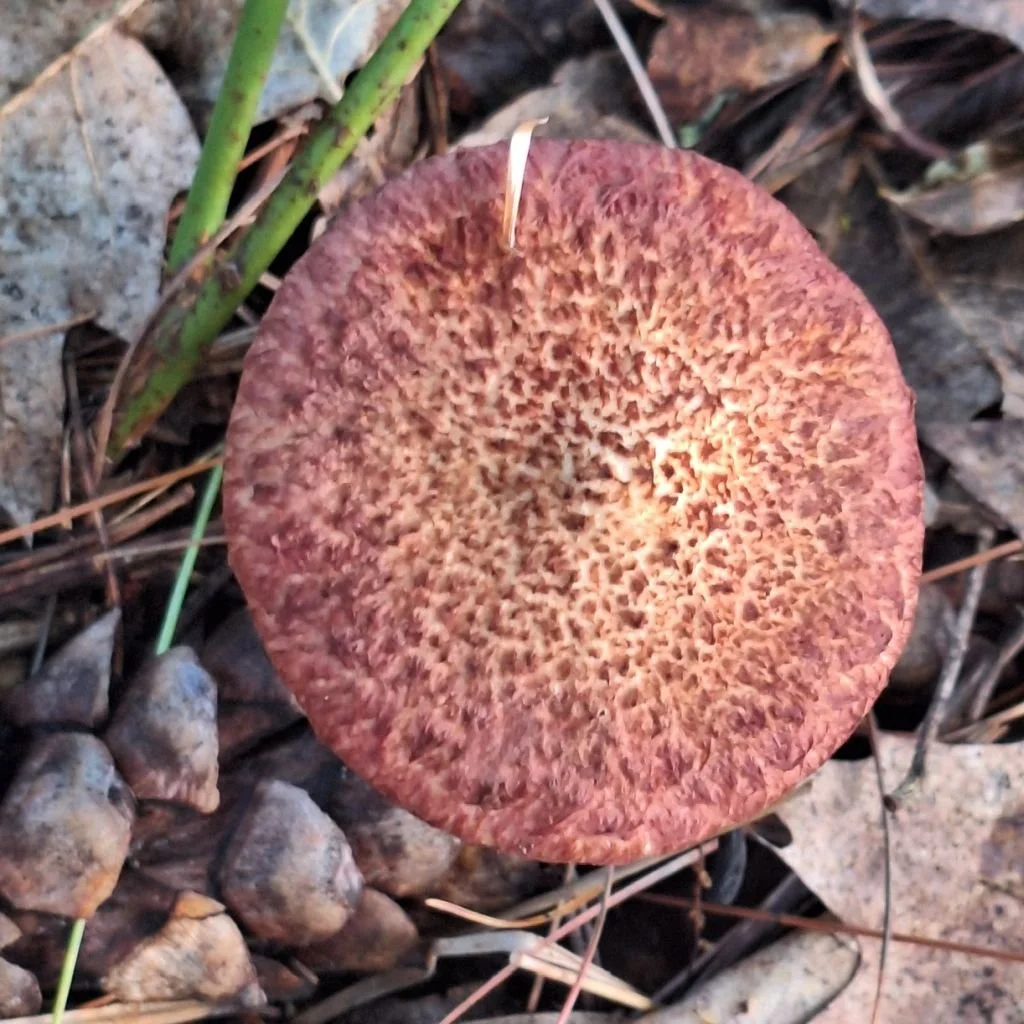
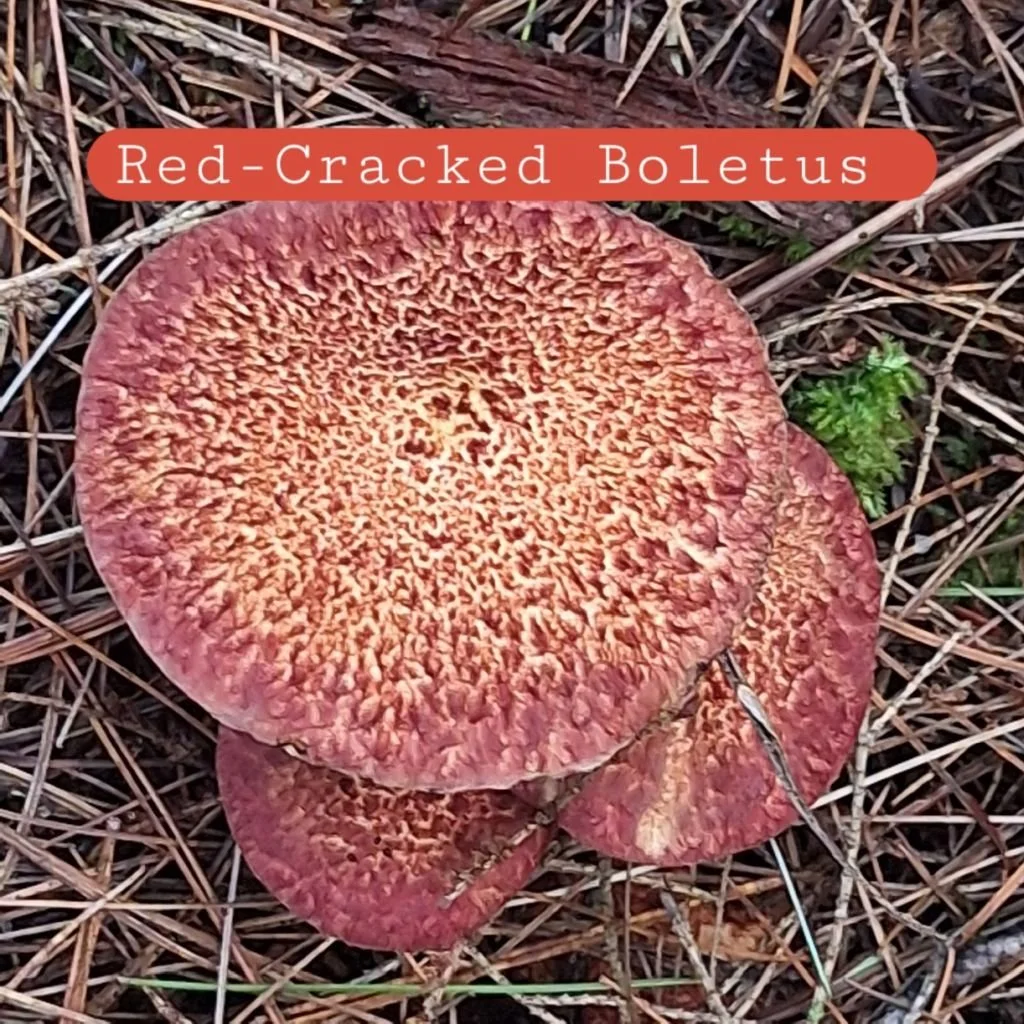
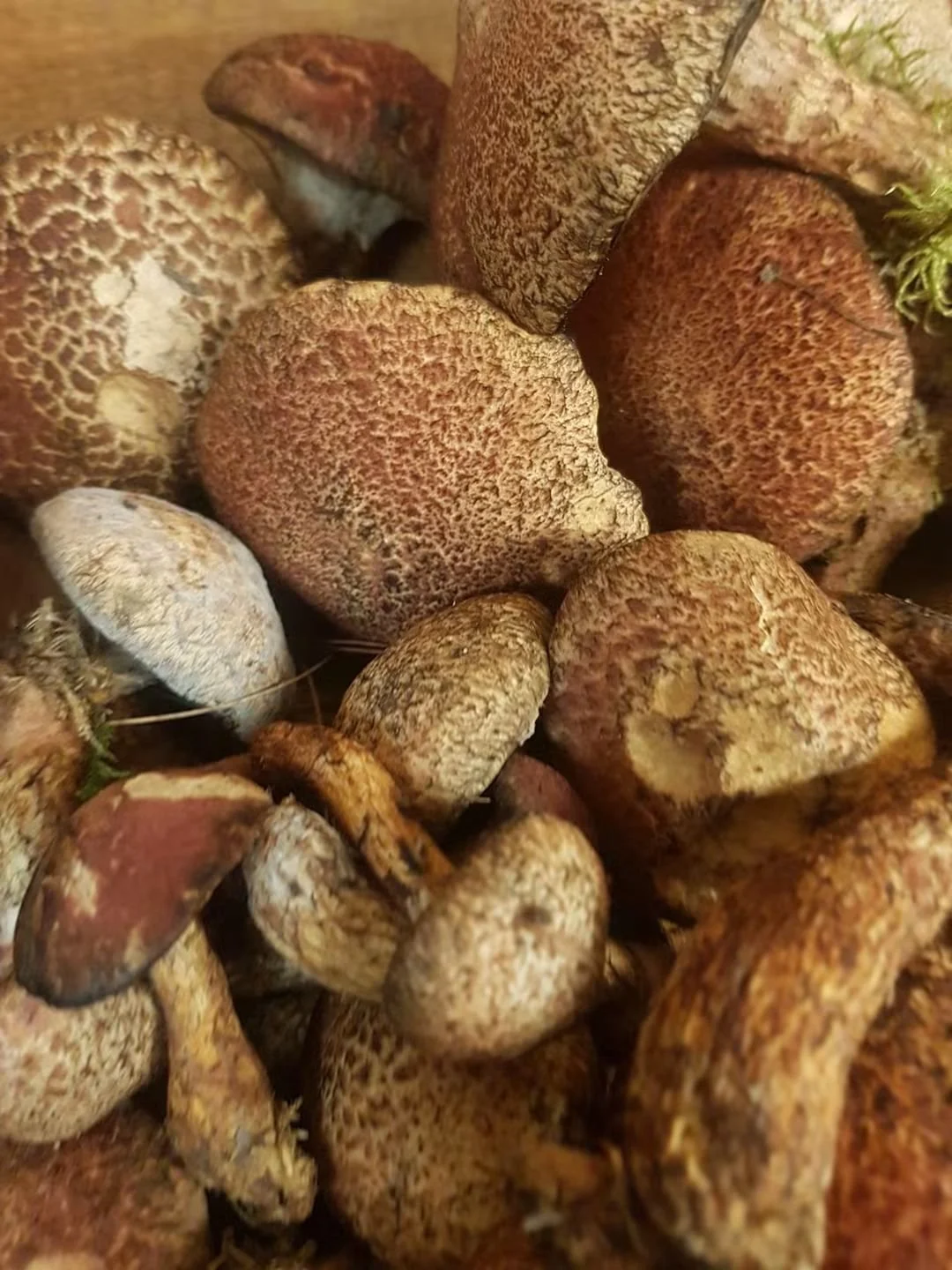
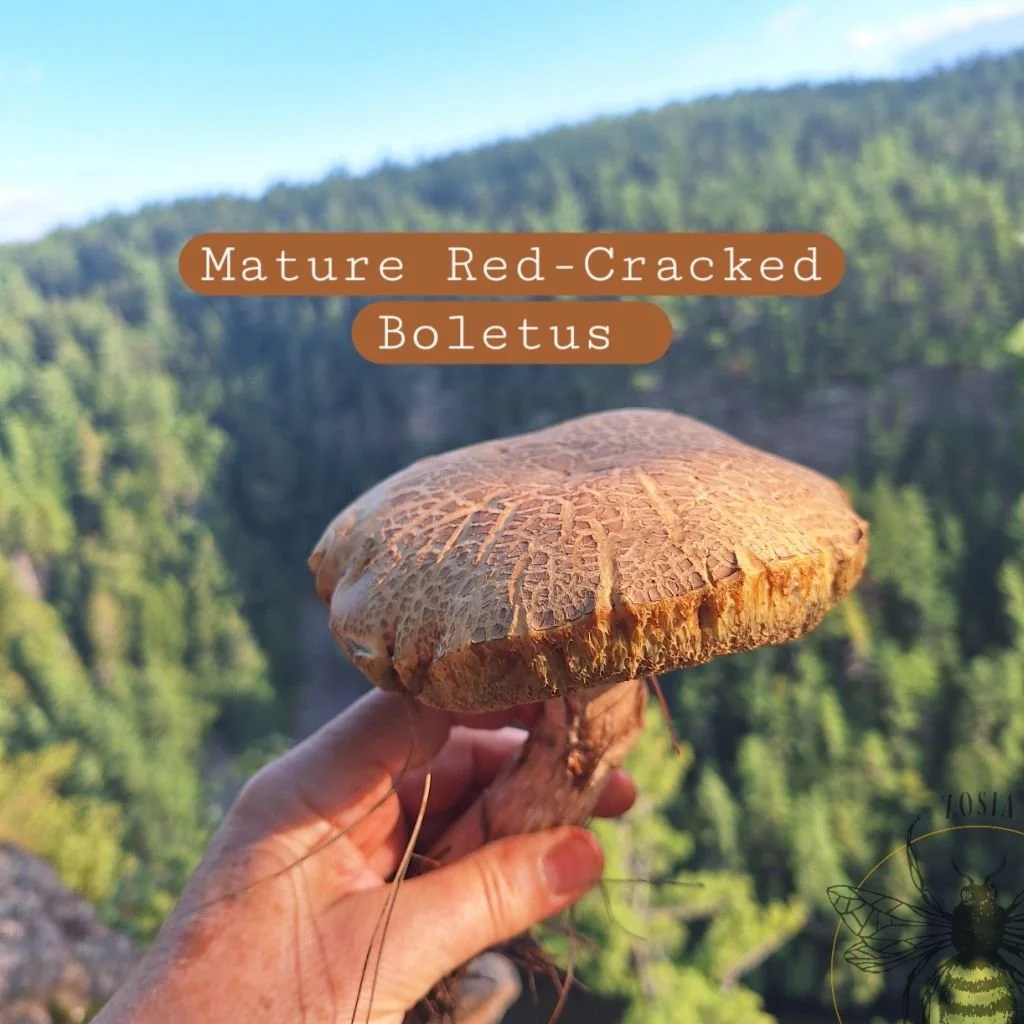
🍄 Red-Cracked Boletes — Xerocomellus / related bolete species
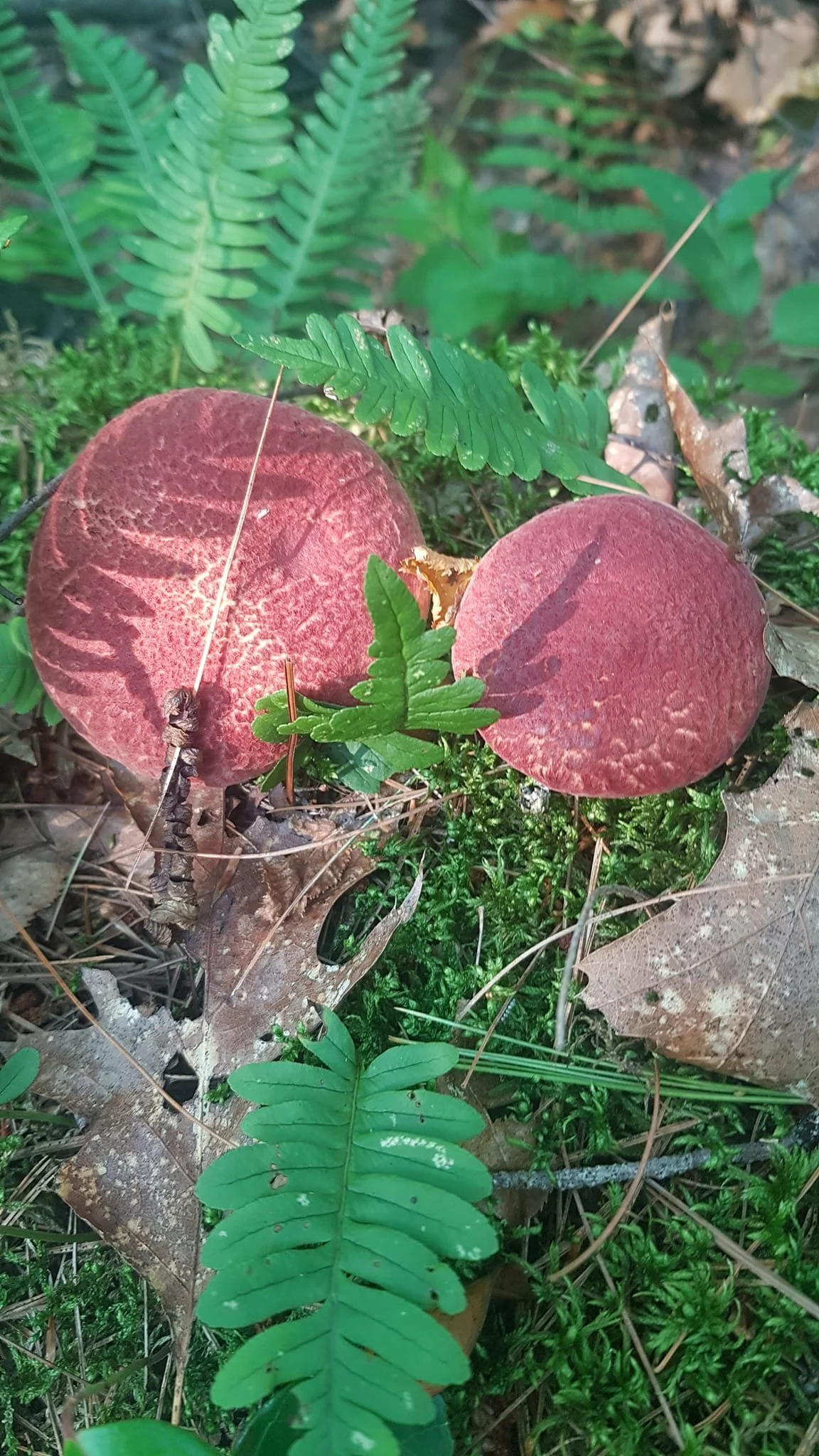
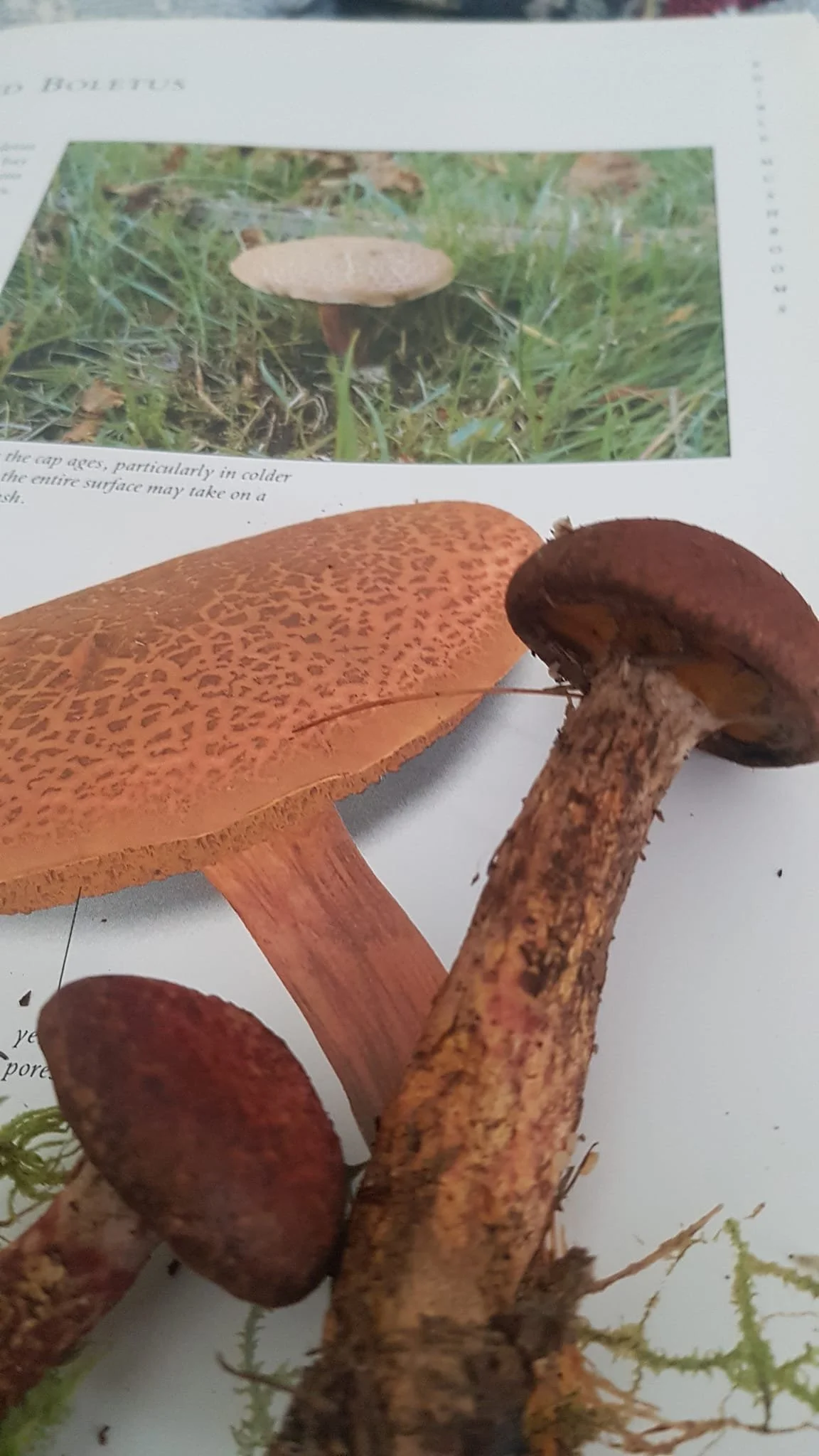
Boletes are another fascinating group of mushrooms to encounter in Ontario. Rather than gills, they have a spongy layer of tiny pores underneath the cap, giving them an entirely different appearance from mushrooms such as chanterelles or oysters.
The red-cracked types are particularly striking. Their caps can develop reddish tones and characteristic cracking as they mature, revealing contrasting colours underneath.
What I enjoy about boletes is how varied they can be—not only in appearance, but also in texture and culinary quality. Some are excellent food mushrooms when properly identified and prepared, while others are not suitable for eating.
That distinction is important: “bolete” does not automatically mean edible. Proper identification to the appropriate species is essential, and colour or a red-cracked cap should never be treated as an identification shortcut.
For the table, properly identified edible boletes can be wonderful sautéed with butter and herbs, added to sauces, or dried for later use.
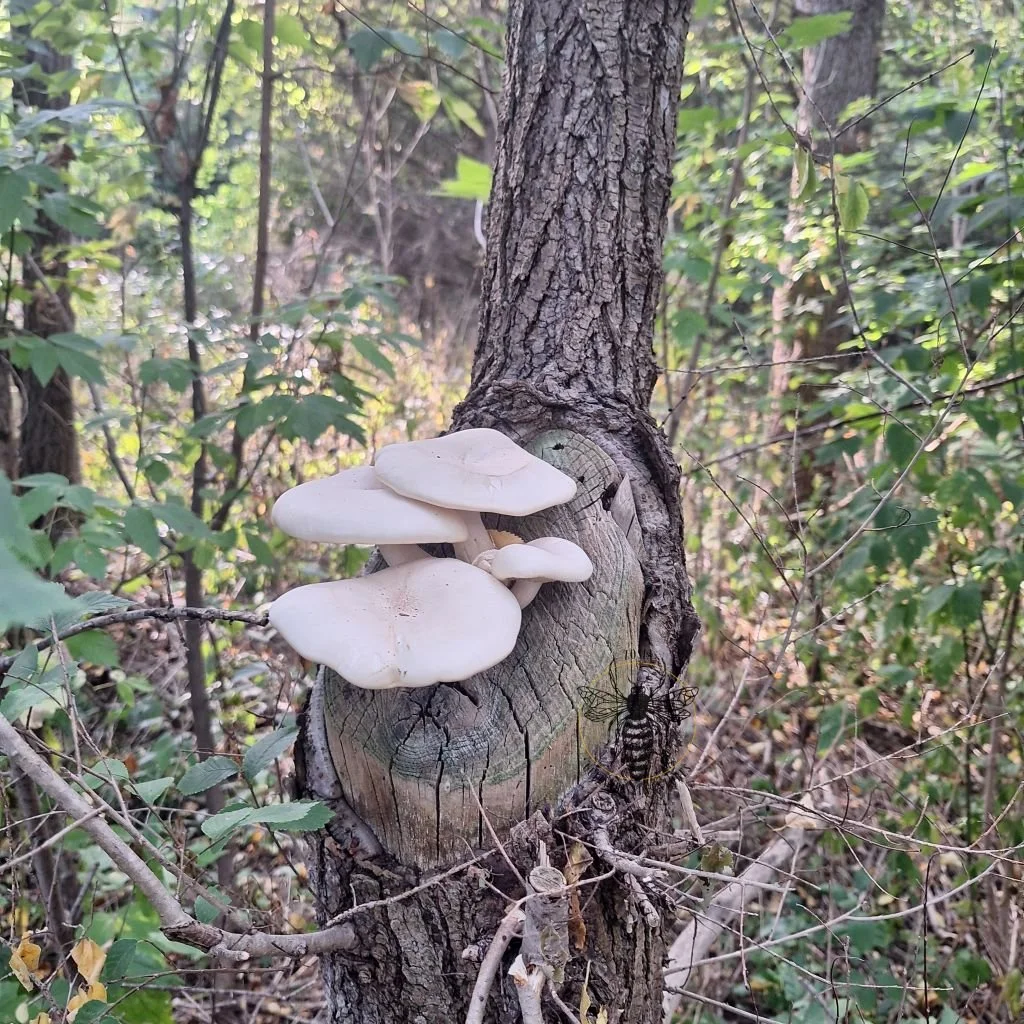
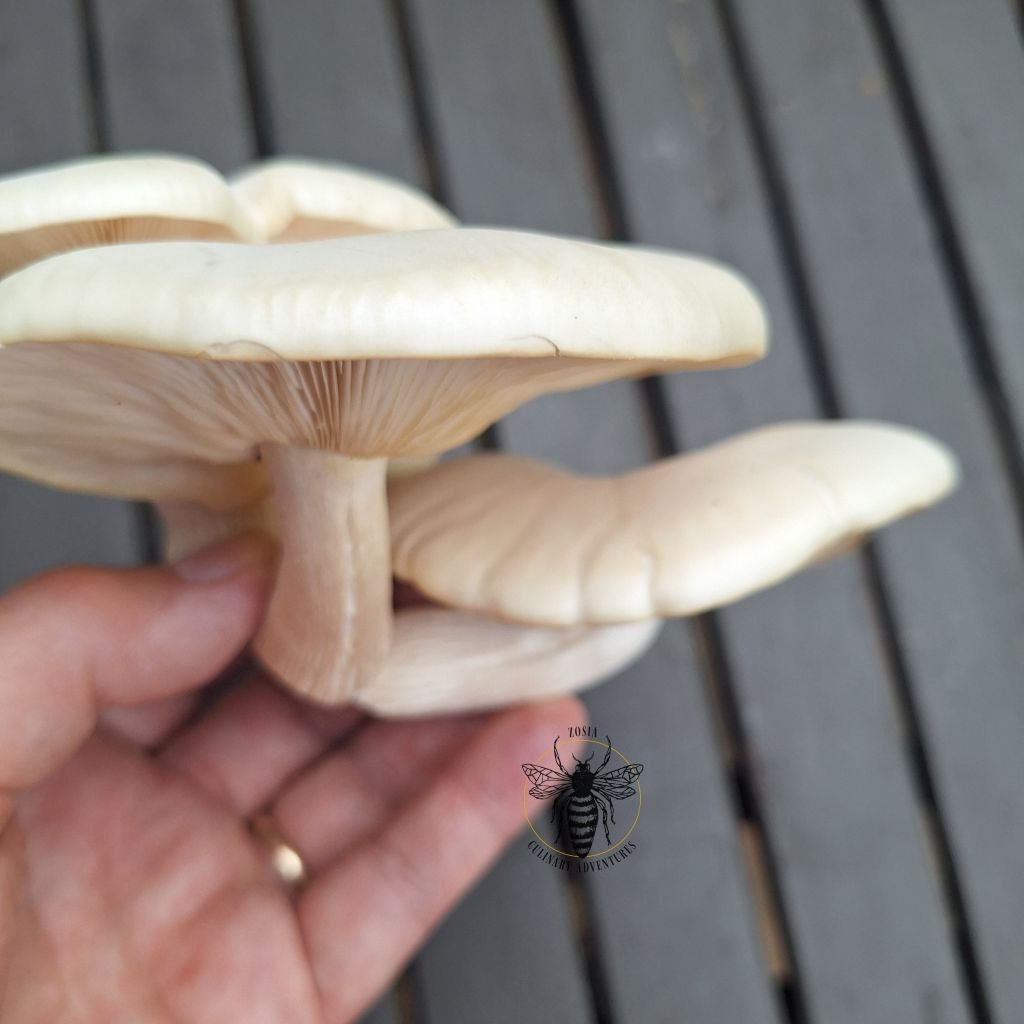
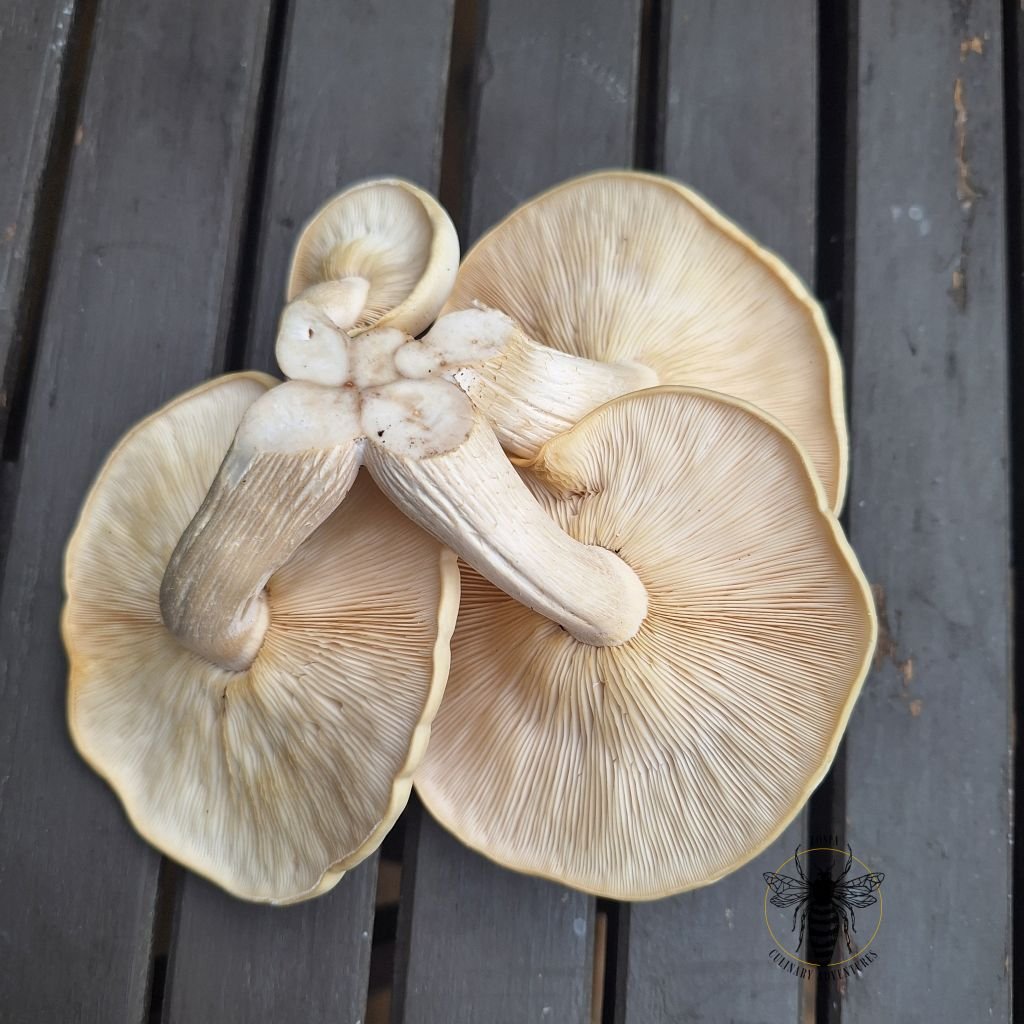
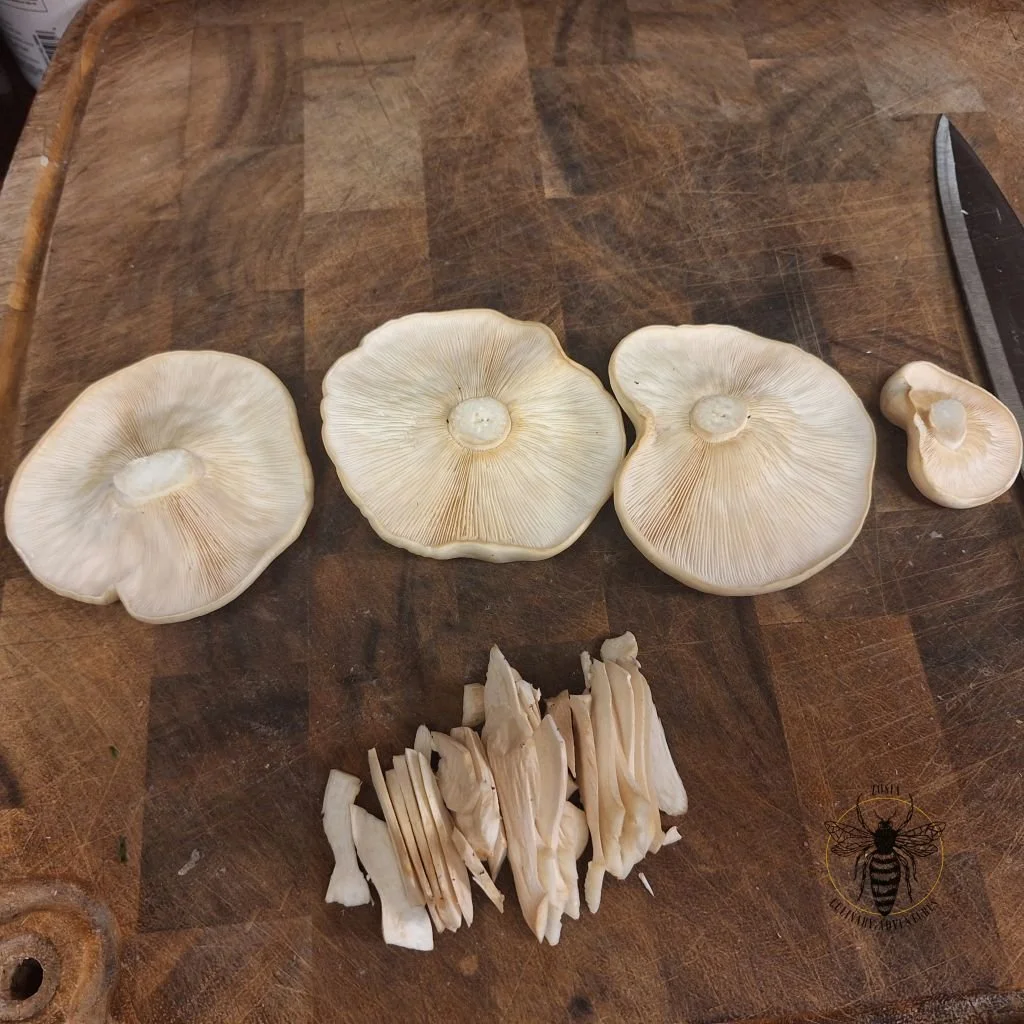
🍄 Elm Oyster Mushroom (Hypsizygus ulmarius)
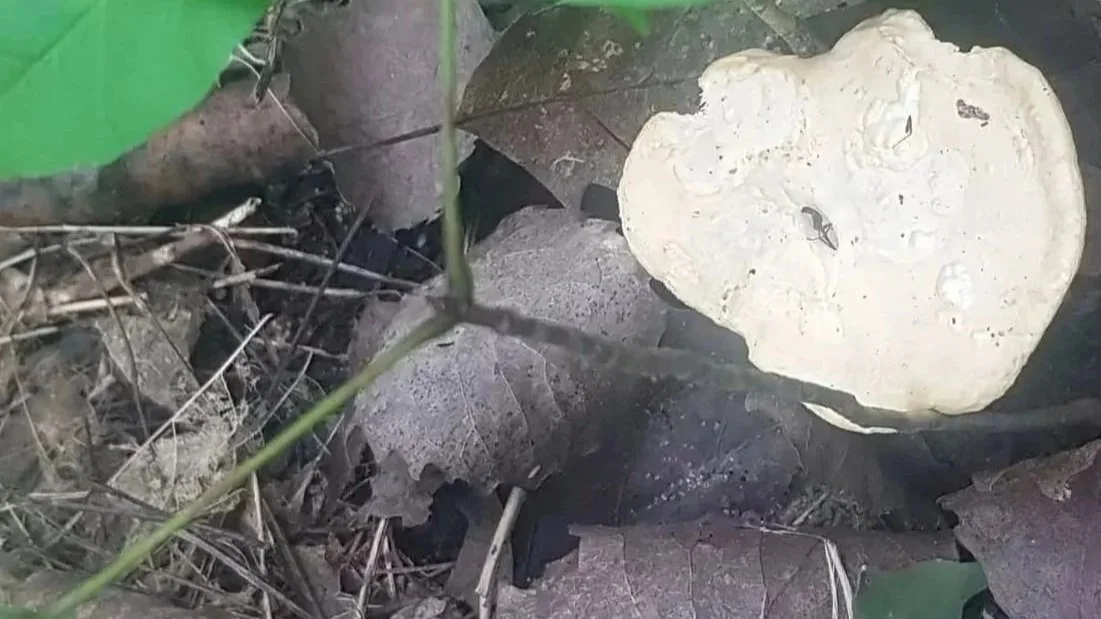
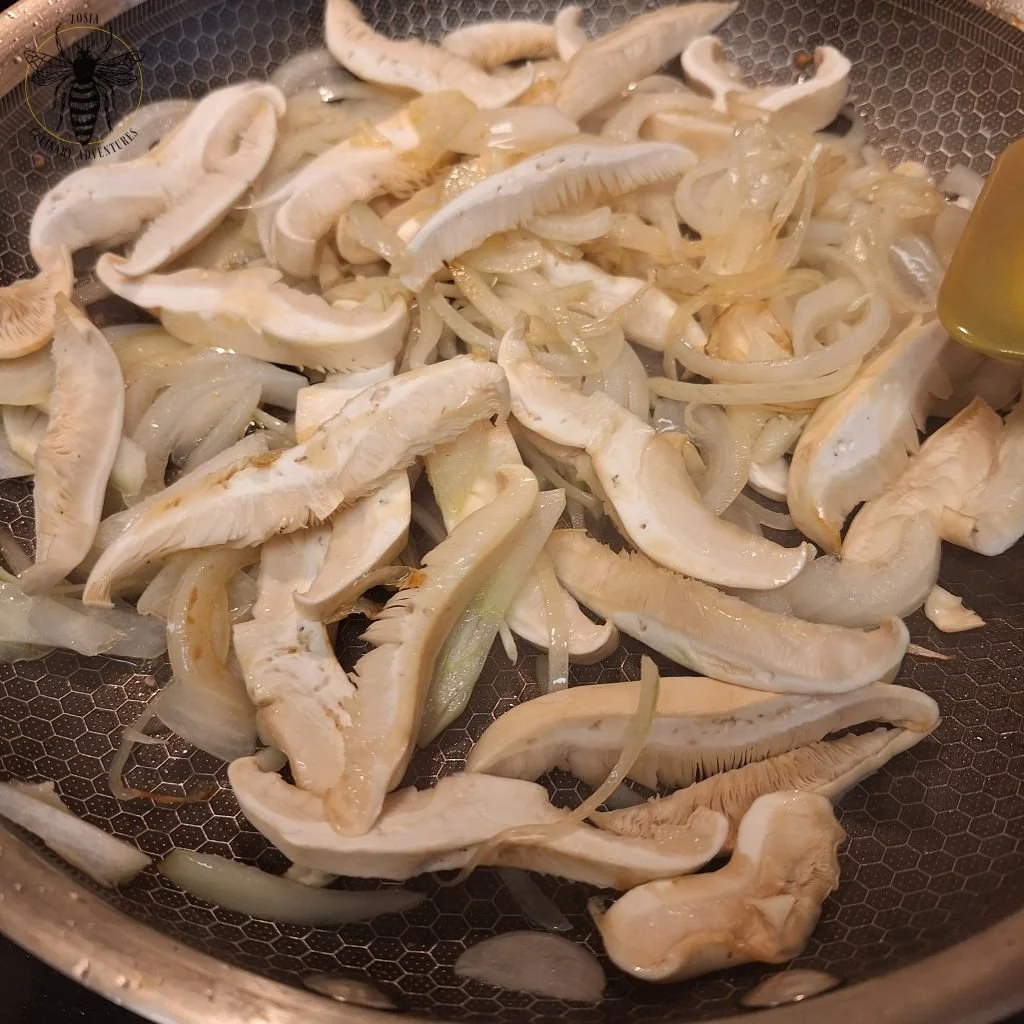
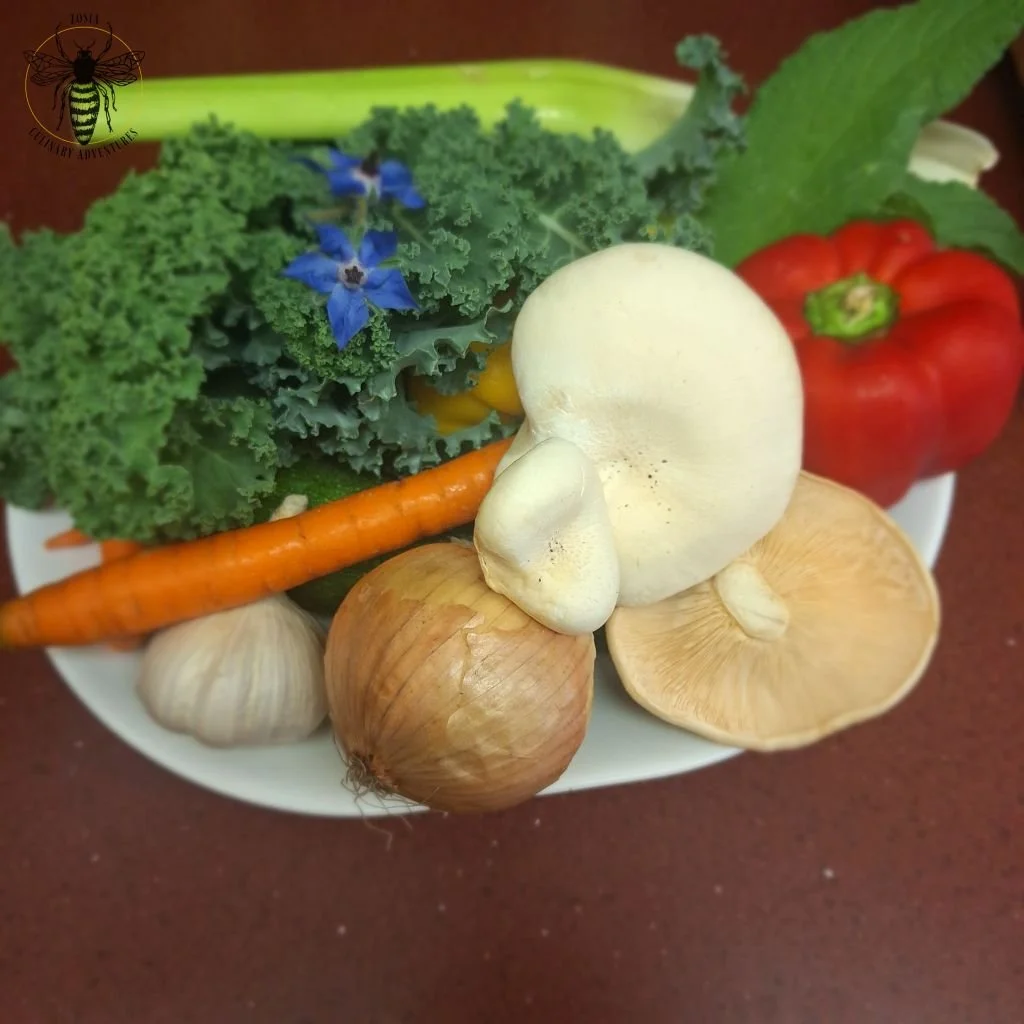
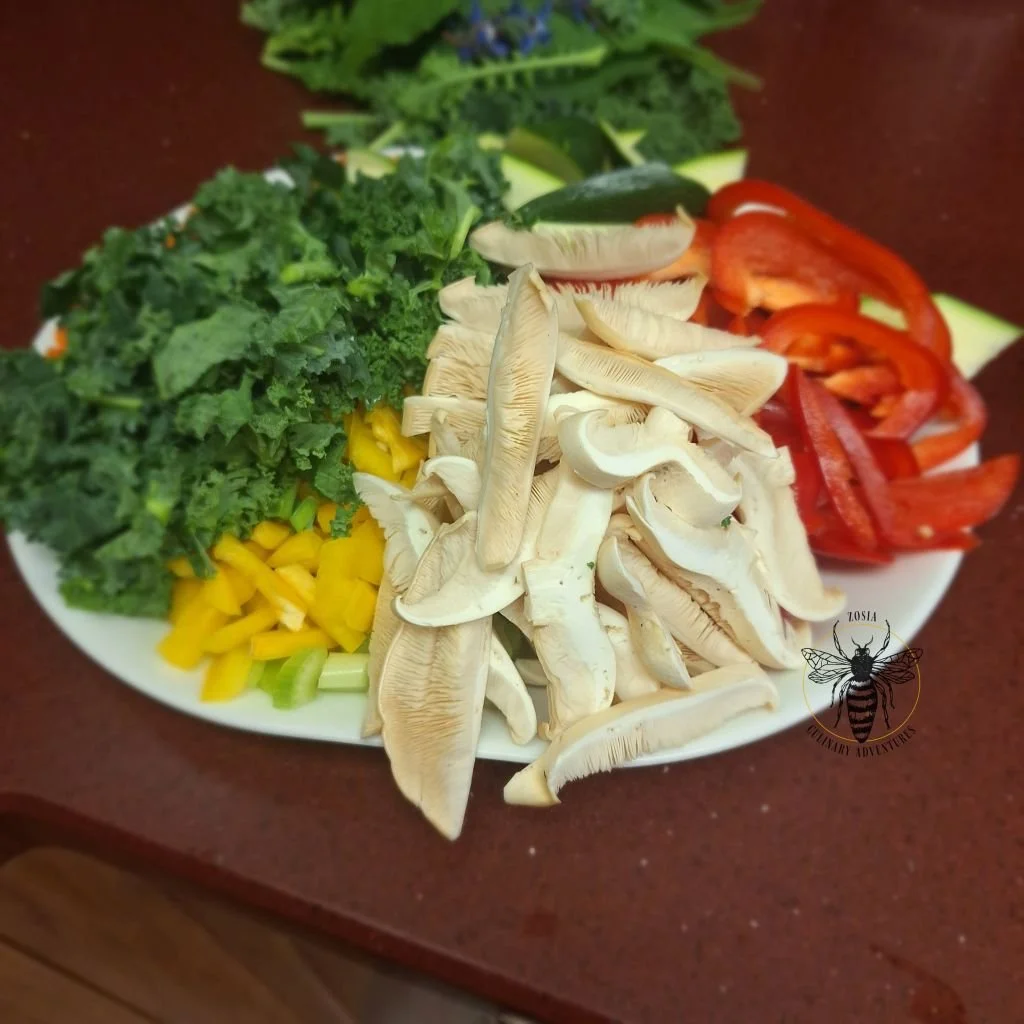
The elm oyster is a striking woodland mushroom known for its broad, creamy-white cap and firm, meaty texture. Despite its name and oyster-like appearance, it is not a true oyster mushroom (Pleurotus). It has a mild, pleasantly nutty flavor that becomes richer and more savory when cooked.
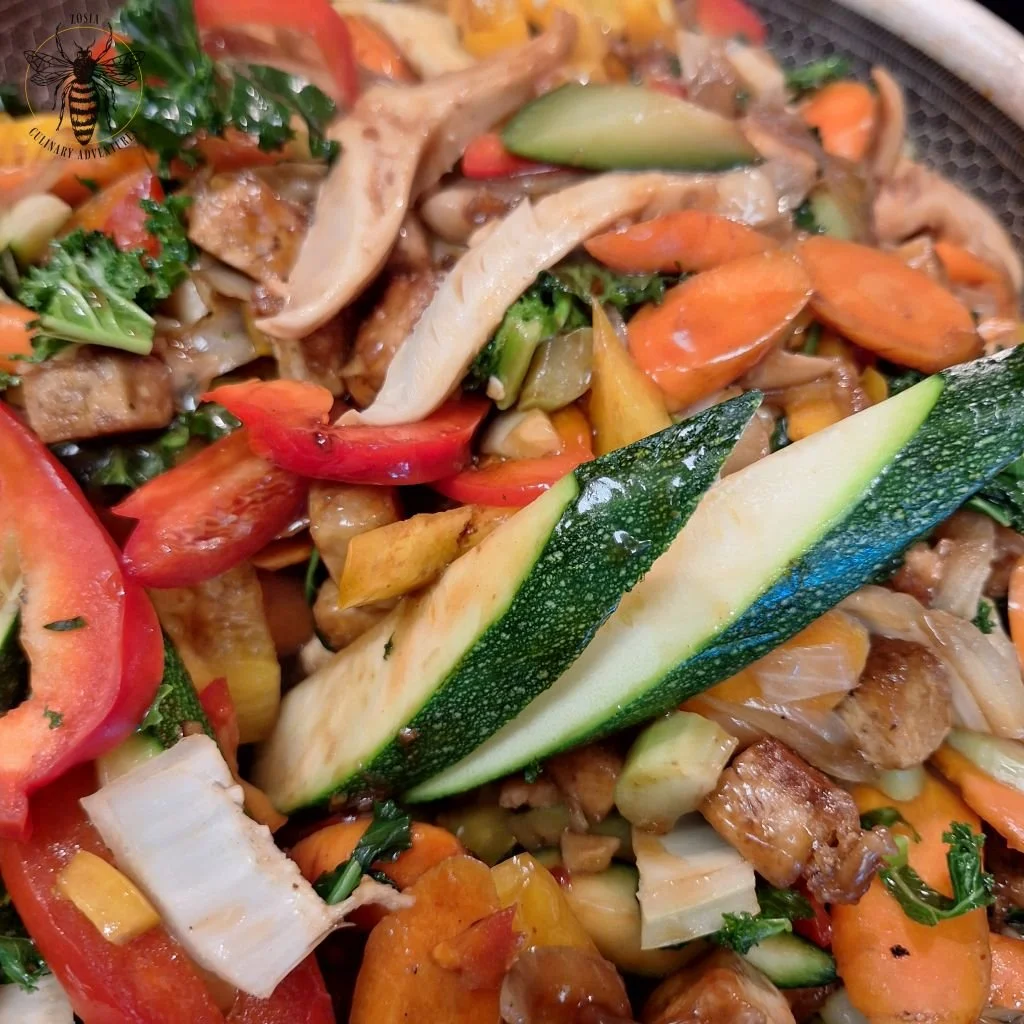
In the kitchen, elm oysters are excellent sautéed, roasted, grilled, or added to soups, sauces, risottos, stir fry and pasta dishes. Their firm texture holds up well during cooking, making them a versatile choice for hearty mushroom dishes.
⚠️ Safety note: Elm oyster mushrooms have look-alikes, and identification should consider the entire specimen and its growing characteristics. Photographs alone should not be used to determine whether a wild mushroom is edible.
🍽️My Recipe links:
🎒 Footnotes & Safety References
[1] Ontario Poison Centre — Mushroom Safety. The Centre warns that poisonous and non-poisonous mushrooms can grow beside one another, that eating wild mushrooms can cause serious illness or death, and that cooking does not make poisonous outdoor mushrooms safe. ↴Ontario Poison Centre: Mushrooms 🍁🍄
[2] Government of Ontario — Crown land harvesting rules. Ontario regulations specify where personal harvesting of forest resources is permitted and identify restrictions applying to provincial parks, conservation reserves and other areas. ↴ Ontario Regulations🍁
[3] Government of Ontario — Provincial Parks and Conservation Reserves. Activities in provincial parks and conservation reserves are governed by applicable legislation, regulations and site-specific management provisions.↴ Ontario Regulations🍁
[4] Ontario Poison Centre — Get Help Now. The Ontario Poison Centre can be reached 24/7 at 1-800-268-9017 for poison emergencies and poison-related questions. Ontario Poison Centre: Get Help Now at SickKids🍁❤️
Additional food-safety reference: Health Canada recommends appropriate cleaning, preparation, refrigeration and storage of mushrooms to reduce foodborne-illness risks. ↴Health Canada: Food safety tips for mushrooms
🍄 Where to Learn More & Get Expert Help
For beginners, the best way to improve mushroom identification is to learn directly from experienced mycologists and local mushroom clubs. Consider connecting with:
Mycological Society of Toronto (MST) — Offers mushroom education, field activities and opportunities to learn with experienced mushroom enthusiasts in the Toronto area.🍄📝
The Arboretum Fungi at University of Guelph: Mushrooms of Ontario 📝— A useful Ontario-focused resource for learning about the province's fungi and identification.🍁
North American Mycological Association (NAMA) — A large North American organization supporting mushroom education, conservation, identification and mycological societies.📝
Editorial disclaimer: This article is intended for education and general information. It does not constitute professional mushroom-identification advice and should not be used to determine whether a wild mushroom is safe to eat. Always obtain independent, expert verification before consuming wild fungi.